The first time I stepped into a snow-dusted castle courtyard, the world fell quiet in a way I didn’t expect. The wind had pushed fresh flakes against the stone walls, softening their edges, and the only sound was the groan of a wooden door somewhere deep inside the keep. Warm light glowed through narrow windows, and for a moment, the centuries felt close enough to touch.
Winter does something extraordinary to castles. It strips away the rush of summer crowds, dresses the towers in white, and lets the old stories breathe again. A place that feels lively in July turns contemplative in December, like the walls themselves are settling in for the cold months. And if you time it right—late afternoon, just before the sun falls—you might catch that perfect winter alchemy: the sky turning violet behind ramparts, frost collecting on iron gates, and the smell of roasted chestnuts drifting from a holiday market nearby.
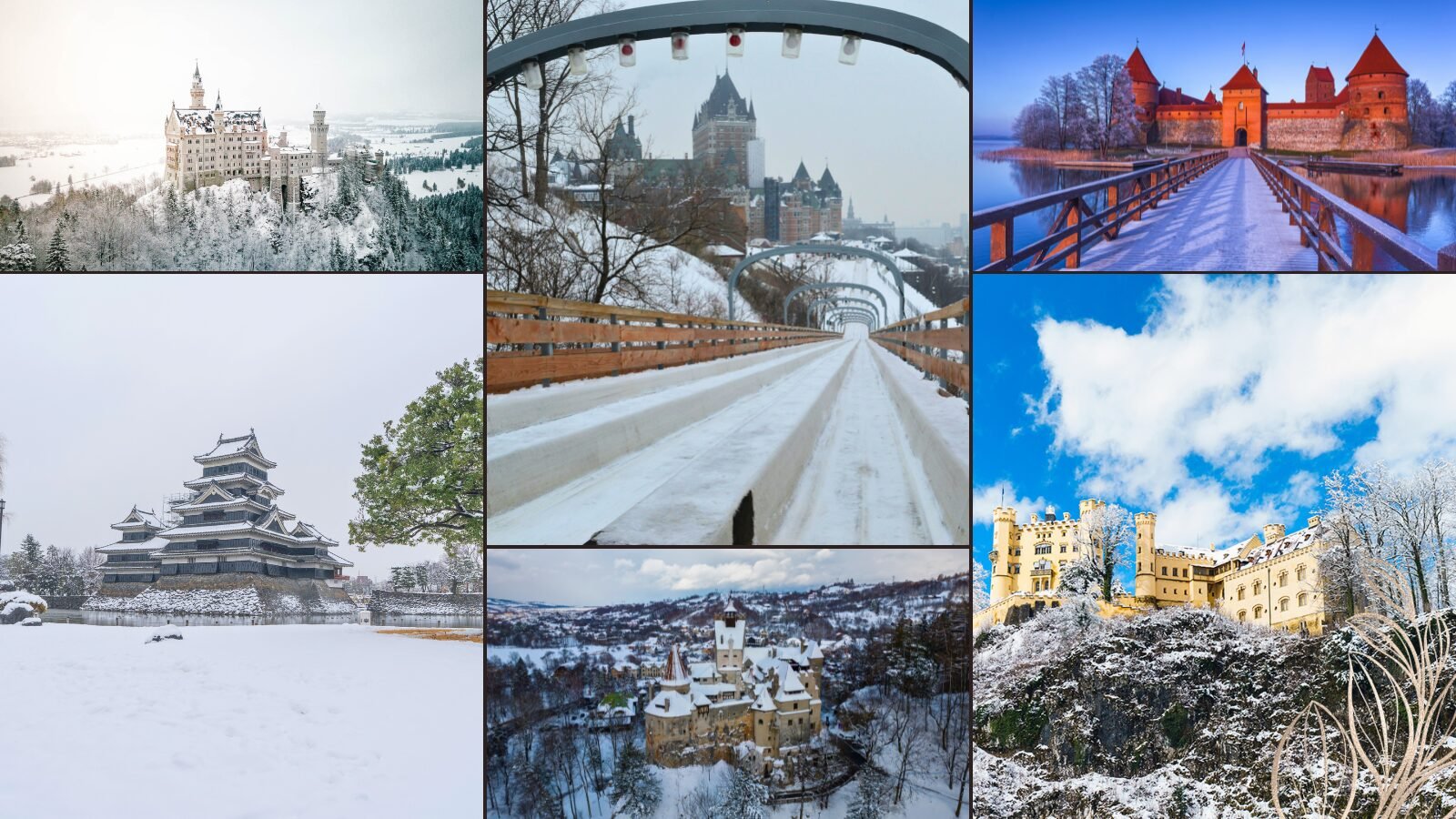
Across Europe, North America, and parts of Asia, this season pulls castles into a different light. Germany’s palaces glow with Christmas markets. Scotland’s fortresses rise above moors wrapped in fog. Quebec City’s Château Frontenac looks like it was built for winter. And Japan’s white-walled giants—Himeji, Matsumoto—become icy silhouettes at sunset.
This guide gathers the best castles to visit in winter, places where the cold sharpens the mood and the holidays add a spark of warmth. Whether you’re chasing snowy castles in Europe, planning holiday castle travel, or dreaming of a slow, reflective New Year getaway, you’ll find ideas here to make your winter feel a little more magical.
Let’s step through the gates together, with scarves tight and breath hanging in the air. Winter is waiting inside the walls.

Why Castles Are Magical in Winter
If you’ve ever stood on a castle wall in December, you know the season changes everything. The cold has a way of clearing the air and sharpening every detail. Turrets look taller. Stonework feels older. Even familiar views seem brand new under a thin layer of frost. Winter slows the pace, and suddenly these places—so full of noise and history—grow quiet enough for you to hear your own footsteps.
Part of the magic comes from the light. Days are short, which feels like a disadvantage until you see what happens just before sunset. Castles turn golden for a moment, then fade into soft blues and silvers as night takes over. Many historic sites lean into this early darkness with evening illuminations: warm lanterns, candlelit chapels, glowing courtyards. A simple walk from one gate to another becomes a memory you’ll keep long after your fingers thaw.
And then there’s the atmosphere. Snow changes the soundscape. Thick walls absorb the wind, and flakes land silently on rooftops and battlements. You might share the courtyard with only a handful of visitors, most of them wrapped in scarves and moving slowly, as if trying not to disturb the stillness. Even busy sites like Neuschwanstein or Edinburgh Castle feel more intimate in winter. You’re not fighting for space. You’re not dodging tour groups. You’re just… there.
The holiday season adds another layer. Many European castles host Christmas markets in their courtyards, filling the air with the scent of mulled wine, gingerbread, and pine. German palaces glow under strings of lights. Czech fortresses offer warm pastries and handmade ornaments. French châteaux set up art displays and soundscapes that make you feel as if you’ve stepped into a winter tale. In January, New Year celebrations pick up the mood with fireworks, concerts, and quiet traditions that light up the colder nights.
Outside Europe, the feeling shifts but stays magical. Québec’s skyline turns into a postcard. Snow settles on the copper roof of the Château Frontenac like icing on a cake. In Japan, Himeji and Matsumoto transform into white-on-white silhouettes—stone, plaster, and winter sky blending together. Visitors wander the grounds with hot drinks in hand, stopping beneath bare trees to admire the symmetry of the keeps.
Winter also brings special tours you won’t find in warmer months. Torchlit walks, night photography sessions, and seasonal exhibitions only open in December and January. Some castles decorate their great halls as they once looked during medieval feasts. Others open rarely seen rooms because crowds are lighter. Even the simple act of climbing to a lookout tower feels different when you reach the top and find mountains covered in snow instead of summer haze.
There’s something humbling about visiting a fortress in winter. These buildings have survived storms for centuries, and being inside their walls during the cold months feels like sharing a quiet moment with them. Winter is when castles show their bones—the real structure beneath all the stories.
If you’re planning a winter castle vacation or looking for the best castles to visit in winter, this is the season when history steps closer and the present slows down. Every corridor feels more mysterious. Every courtyard invites you to linger. And every tower gives you a new reason to love the cold.
Ready to explore? Let’s step into the castles that shine brightest when temperatures fall.

1. Neuschwanstein Castle – Bavaria, Germany
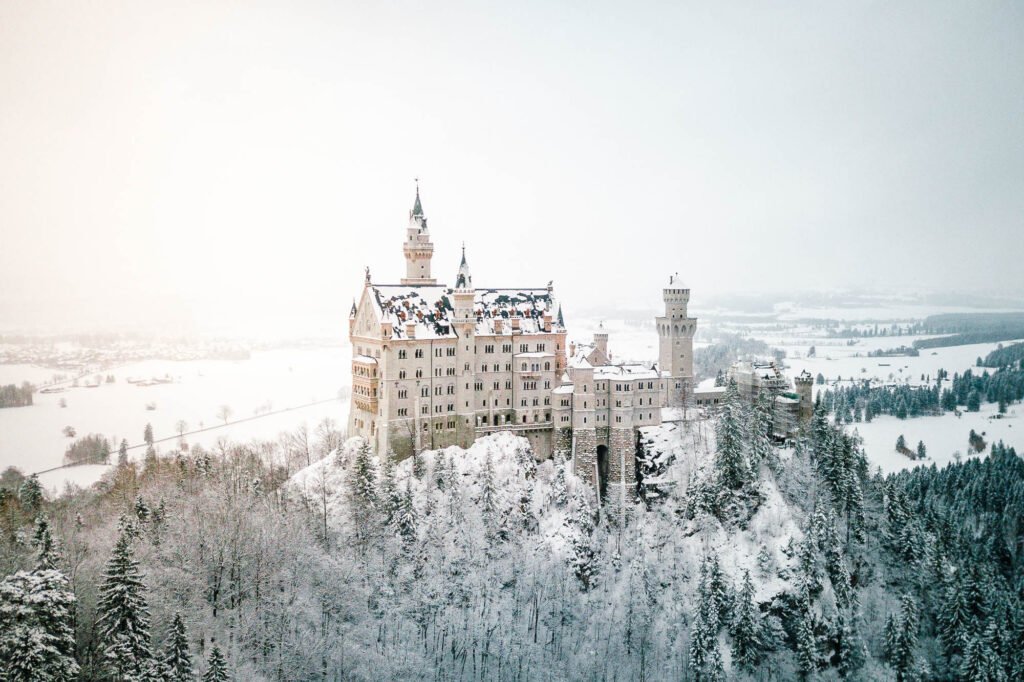
I still remember the first time I saw Neuschwanstein in winter. The road twisted through snowy pines, and then—right when the forest opened—the castle appeared like it had been dropped in from a storybook. Winter suits this place. The crowds thin out, the mountains turn white, and the towers rise above a frosted ridge that looks almost surreal. If you’ve ever dreamed of seeing a real fairytale castle in snow, this is the one.
What makes Neuschwanstein magical in winter is the atmosphere. Mist curls around the cliffs in the mornings. Ice crystals cling to the windows. The courtyard feels calmer, almost contemplative, and the guided tours move at a slow, comfortable pace. From Marienbrücke, the famous bridge overlooking the castle, the view is a winter postcard—Neuschwanstein perched high above frozen forests and quiet valleys.
Inside, the rooms feel even more dramatic against the cold. Ludwig II’s throne room glows under chandeliers, and the Singer’s Hall feels warmer than usual thanks to the darker winter light outside. If you arrive early, you might catch the sunlight hitting the mountains behind the castle, painting everything in pale pink and gold.
Winter Notes:
The path to Marienbrücke can close after heavy snowfall or ice, but when it’s open, it’s worth the chilly walk. The castle’s shuttle buses run less frequently in winter, so plan extra time. Snow boots are a good idea—paths get slick.
Best Tip:
Go right after a snowfall. The forests turn silent, and the scenery becomes so clean and bright that it feels unreal. Bring a hand warmer for your fingers—your camera will thank you when you’re taking photos nonstop.
Planning Tip:
If you want a deeper look before you go, I’ve put together a full guide with the castle’s history, visiting tips, and hidden viewpoints you shouldn’t miss. You can read it here: Neuschwanstein Castle Travel Guide. And if you like to get a feel for the place in motion, here’s a short video that captures what Neuschwanstein looks like in winter light.

2. Hohenzollern Castle – Baden-Württemberg, Germany
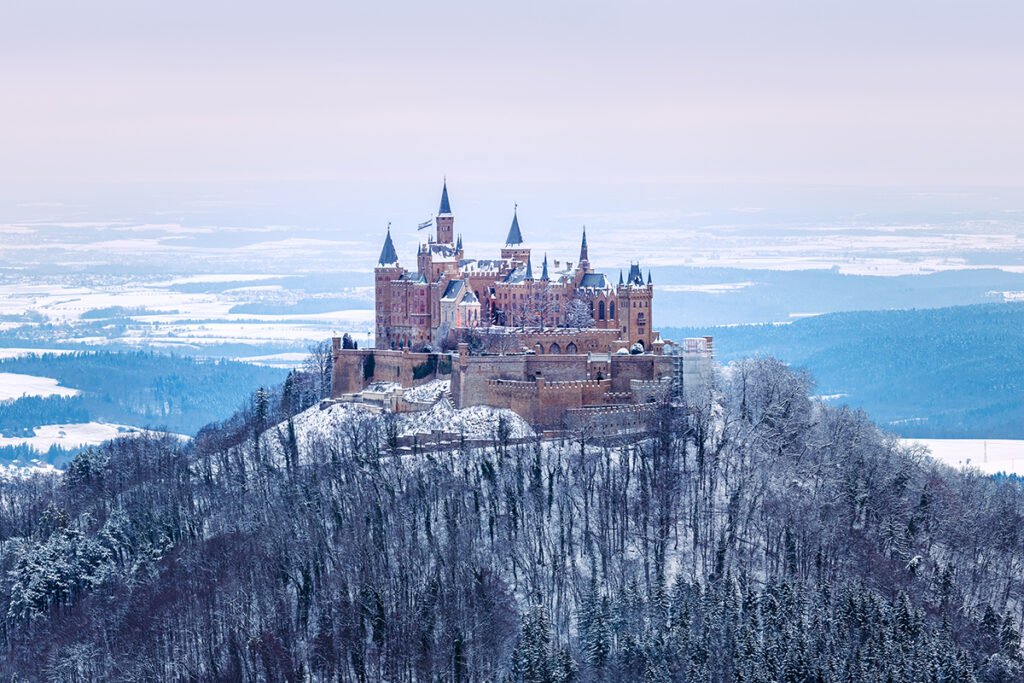
If Neuschwanstein is a fairytale, Hohenzollern is a winter fortress that refuses to blend into the landscape. It sits on its own mountaintop like a crown, watching over the countryside. In winter, fog often wraps around the base of the hill, leaving the castle floating above the clouds. It’s one of the most dramatic winter castle sights in Europe—and one of the least crowded, which makes the experience even sweeter.
Hohenzollern shines in December and January because of the atmosphere. Mornings are crisp. The ramparts glisten. The inner courtyards echo softly as you walk between the towers. And on some days, the snow hits just right and covers the spires so evenly that the whole structure feels sculpted rather than built.
The castle also hosts one of Germany’s most charming seasonal events. On select weekends in December, its Christmas market fills the courtyards with the scent of roasted nuts, hot chocolate, and mulled wine. Candlelight flickers off the stone walls. Local artisans sell handmade ornaments. Musicians play winter melodies in corners you might otherwise walk past.
Winter Notes:
The road up can get icy, and the shuttle buses may pause service during storms. If you’re comfortable walking uphill, the winter hike is rewarding—quiet, steady, and full of photo stops. Inside the castle, rooms stay warm, but keep your scarf handy for the breezy courtyards.
Best Tip:
Arrive early for the market days. The mix of sunrise light, fog, and the sound of vendors setting up feels like you’ve slipped behind the scenes of a medieval holiday fair.
Planning Tip:
If you want more details before heading up the mountain—best viewpoints, legend, and the castle’s full history—I’ve put everything together in a dedicated guide. You can read it here: https://castlequestchronicles.com/hohenzollern-castle-germany-guide/.
3. Château de Chambord – Loire Valley, France

Chambord in summer is impressive. Chambord in winter feels otherworldly. The double-helix staircase glows under softer light. The rooftops shimmer with frost. And because the Loire Valley gets quieter in the colder months, the entire estate feels like your own personal playground.
This is a place built theatrically, and winter brings out that flair. The estate often decorates the grand halls with seasonal installations—towering Christmas trees, garlands, candlelit pathways, and large-scale ornaments that don’t feel tacky or overdone. Walking through the halls in December feels like wandering through a royal holiday celebration that paused just long enough for you to step inside.
Outside, the gardens take on a muted beauty. Fog often settles low in the mornings. Deer wander the grounds. The castle’s reflection in the canal looks sharper and more dramatic against the dull winter sky. And because the days are short, the rooftops glow earlier than usual when the castle lights turn on.
Winter Notes:
Chambord rarely closes for weather, but the grounds can be muddy or icy, so boots help. Indoor heating is steady, but the upper terraces can be cold. Holiday décor usually stays up until early January, so New Year travelers still get to enjoy it.
Best Tip:
Climb to the rooftop terrace near sunset. The chimneys and towers create a jagged skyline that looks incredible against the winter sky. Bring gloves—metal railings in January feel like they want to freeze to your hands.
Planning Tip:
If you want to dig deeper into Chambord’s mood—best viewpoints, highlights, legends, and history—I’ve put everything together in a full guide here: https://castlequestchronicles.com/chateau-de-chambord-france-guide/. And if you prefer getting a feel for the place first, here’s a quick video that captures Chambord’s winter charm in motion.
4. Mont Saint-Michel – Normandy, France
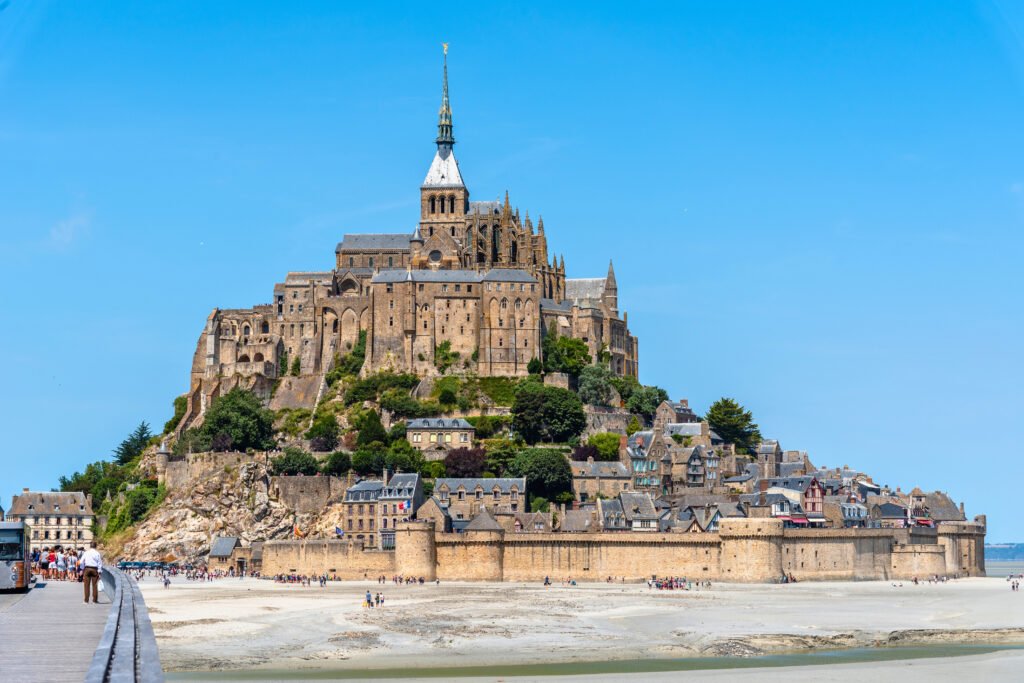
Mont Saint-Michel in winter is a different world. The crowds that clog the narrow lanes in summer vanish, leaving the island quiet enough to hear the wind blow through the abbey arches. Even better, the winter tides move dramatically. Some mornings the water stretches to the horizon. Other times the flats are bare and shining, making the mount look like a stranded fairytale fortress.
The cold air gives the village a sharper mood. Lanterns glow earlier. Stone steps feel damp but peaceful. Shops open later, but the slower rhythm fits the season. At the top, the abbey’s great hall stays cool but striking, its columns rising like a winter forest. When fog rolls in from the coast, it wraps the mount in a soft veil that turns photos into paintings.
Winter also brings some of the best lighting you’ll ever see on the island. Sunsets here turn the bay into a sheet of silver and gold. And at night, when the abbey lights up, the entire mount looks like a glowing crown.
Winter Notes:
The causeway is open year-round, but strong winds can make the walk feel tougher than expected. Wear layers. The village streets are steep and slippery after rain, so tread carefully. Some restaurants reduce hours in January, but enough stay open to make a full visit comfortable.
Best Tip:
Arrive early, climb straight to the abbey, and explore the village on the way down. In winter, the silence inside the abbey is the kind that stays with you long after you’ve left.
Planning Tip:
If you want more practical details before visiting, you can dive into the full guide here: https://castlequestchronicles.com/mont-saint-michel-france-guide/. And if you want a quick feel for the island’s winter atmosphere, this short video captures it beautifully.
5. Edinburgh Castle – Scotland
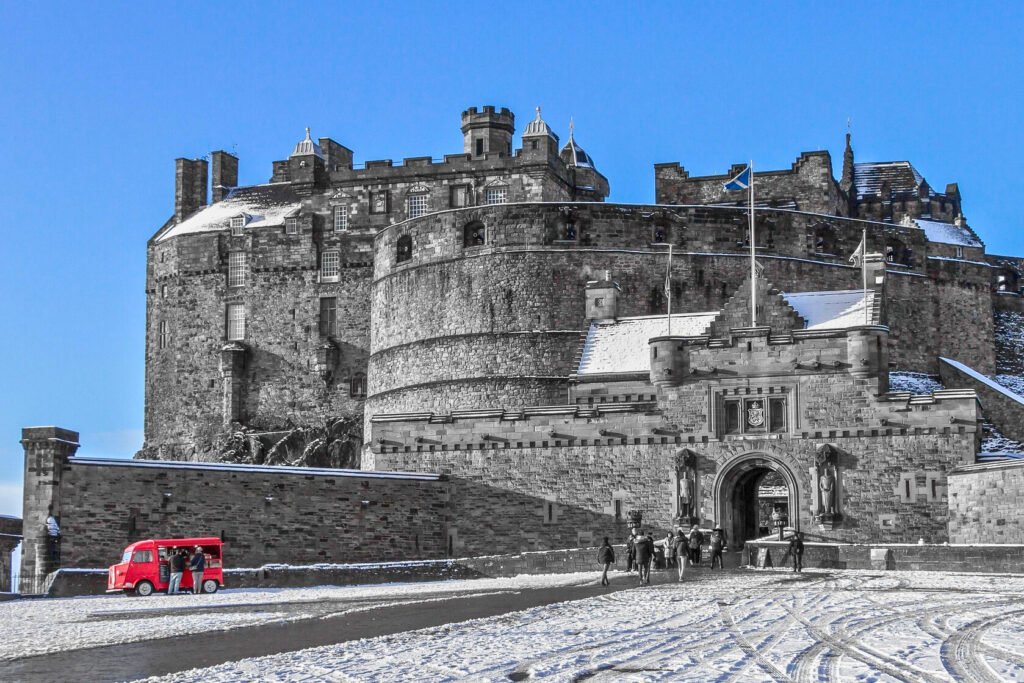
Winter in Edinburgh is a mood—grey skies, cold stone, and that salty wind sweeping across the esplanade. But Edinburgh Castle stands firm above it all. The fortress dominates the skyline, glowing softly through the mist and rain. And when snow falls, even lightly, the castle turns into one of the most atmospheric winter sights in the UK.
December brings festivals and lights. Princes Street Gardens transforms into a Christmas market, and the view from the battlements looks straight down onto the lights, rides, and food stalls. Inside the castle, the Great Hall feels warmer than usual thanks to the contrast with the cold outside. The Crown Room is quiet and solemn. St. Margaret’s Chapel looks lovely with small seasonal decorations near the altar.
But what makes Edinburgh Castle particularly special in winter is the weather itself. Fog rolls across the esplanade. Cold gusts hit your face as you look out toward Arthur’s Seat. Everything feels dramatic and alive. You’re walking inside a fortress that has endured storms for centuries, and the winter wind seems determined to remind you.
Winter Notes:
The site rarely closes, but conditions can be harsh. Bring a warm coat—wind at the top is no joke. Early evenings offer gorgeous photos of the city lights. January tends to be quieter than December, making it a great time to explore without the festive crowds.
Best Tip:
Stay on the esplanade a few minutes after closing time. Guards often take a moment before clearing the courtyard, and the empty space—lit and silent—is pure winter magic.
Planning Tip:
If you want more practical advice—best viewpoints, legends and history, and tips—I’ve put everything together in the full Edinburgh Castle guide here: https://castlequestchronicles.com/edinburgh-castle-scotland-guide/. And if you want a quick feel for the castle’s winter mood, this short video captures it well.
6. Eilean Donan Castle – Scotland
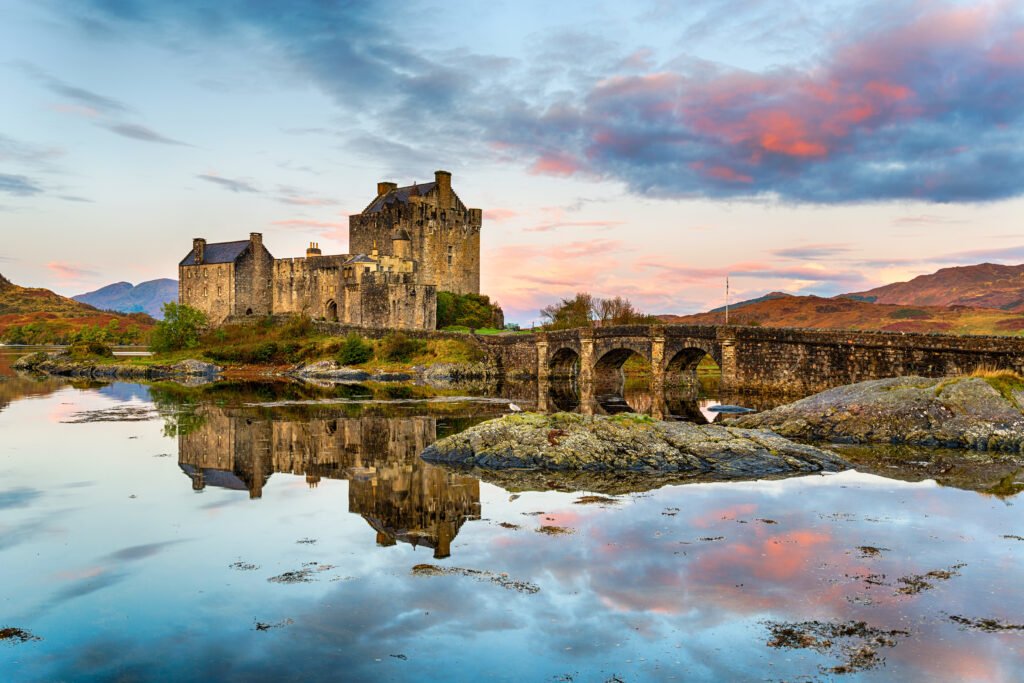
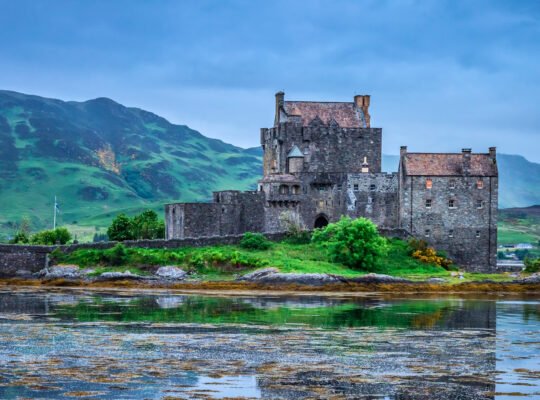
There are winter castles that look beautiful, and then there are winter castles that feel almost unreal. Eilean Donan falls into the second category. Perched on a small tidal island where three sea lochs meet, it stands alone—surrounded by still water, mountains, and a silence that deepens when the cold settles in. If you visit on a clear winter morning, you’ll see the castle reflected perfectly on the glassy surface of the loch, with snow-dusted peaks rising behind it. It’s one of the most striking winter views in the Highlands.
Eilean Donan feels intimate in winter. The usual tour groups disappear, leaving the bridge to the castle quiet enough that you can hear every step. Inside, the rooms are warm with soft lighting, tartan accents, and fires that give the whole castle a homely feel. It’s easy to picture the families who once lived here gathering around the hearth to stay warm during long Highland winters.
Outside, the cold air sharpens the colors—the grey stone, the deep blue loch, the pale winter sky. Dawn and dusk are especially magical. Low sunlight hits the walls and makes the castle glow, while the mountains sit in shade behind it.
Winter Notes:
The Highlands change quickly in winter. Snowstorms can roll in without warning, so check road conditions before driving. The castle itself rarely closes, but the surrounding walking paths can be icy. Dress warmly—the wind off the water is biting.
Best Tip:
Stay nearby and visit at sunrise. The mix of rising mist, quiet water, and golden light is worth the early alarm. Bring a tripod if you’re into photography—this is one of the most photogenic winter castles in Europe.
Quick Look:
If you want a quick look at the castle’s mood before you go, here’s a short video that captures its atmosphere beautifully.
7. Prague Castle – Czech Republic
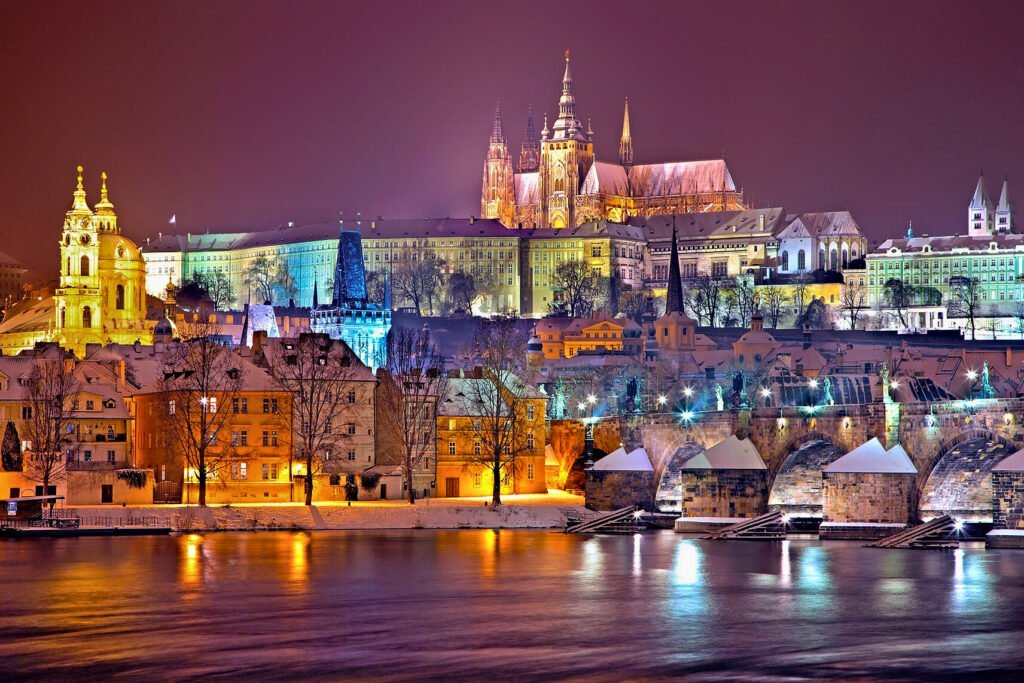
Some cities feel tailor-made for winter, and Prague is one of them. Its castle—one of the largest in the world—sits high above the Vltava River, watching over red rooftops dusted with snow. Walking up to the castle complex on a cold morning feels like stepping into a different century. The streets in Malá Strana are quiet, lanterns glow along the alleyways, and the air carries the smell of chimney smoke and pastries.
Prague Castle becomes especially atmospheric in winter for one simple reason: the light. The sun stays low, casting long shadows across Old Royal Palace courtyards and St. Vitus Cathedral’s intricate façade. When snow gathers on the cathedral’s flying buttresses, it looks almost theatrical—Gothic lines softened under a white veil.
December brings an extra layer of charm. The castle hosts its own Christmas market on St. George’s Square, offering mulled wine, roasted ham, and handmade crafts. While the market is smaller than the one in Old Town, it feels calmer and more local. Exploring the Golden Lane in winter is also a treat—the tiny houses look even cozier with frost on the roofs.
Winter Notes:
The castle complex stays open year-round, but the cobblestones get slippery. Wear shoes with good grip. Arrive early if you want quiet photos inside the courtyards. St. Vitus Cathedral closes earlier in winter, so check hours before you go.
Best Tip:
Walk back down through the gardens if they’re open. The view over Prague’s rooftops in winter—with church towers rising through the mist—is unforgettable.
Planning Tip:
If you want deeper details—history, how to time your visit, and where to catch the most atmospheric views—I’ve gathered everything in my full Prague Castle guide: https://castlequestchronicles.com/prague-castle-travel-guide/. And if you’d like a quick preview of the castle’s mood, here’s a short video that captures it beautifully.
8. Karlštejn Castle – Czech Republic
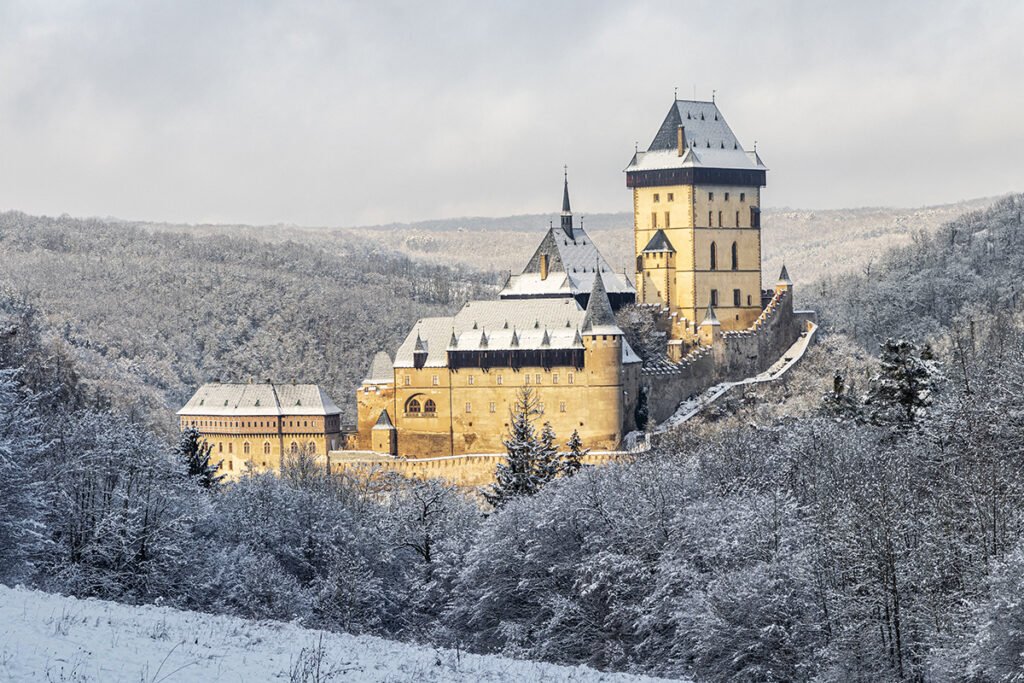
Just 40 minutes from Prague, Karlštejn Castle feels like a world apart. Built by Emperor Charles IV in the 14th century, it rises from a forested hill like a guardian of the valley below. In winter, the forests turn quiet, the roofs gather snow, and the steep path leading to the castle winds through a sleepy village where locals tuck into warm cafés and winter shops open only on weekends.
Karlštejn has a medieval charm that shines in cold weather. The Great Tower looks sharper against the pale sky. The outer courtyards echo softly under winter boots. And on some mornings, you’ll see fog drifting between the towers, giving the whole place a slightly mystical atmosphere.
Inside, the castle stays cool but comfortable. The Chapel of the Holy Cross—one of the most beautiful medieval chapels in Europe—is a highlight. Winter light filters gently through small windows, catching the gold and gemstones embedded in the walls. Because winter brings fewer visitors, you often get more time to absorb the details.
Winter Notes:
The walk up the hill is short but steep and can be icy. Take your time. Opening hours fluctuate in winter, and some upper areas may close during frost. Trains from Prague run reliably year-round, making this an easy winter day trip.
Best Tip:
Stop in the village bakery on your way up. A warm pastry in cold air makes the climb feel easier, and you’ll reach the gates of Karlštejn with the kind of comfort only fresh dough can offer.
Quick Look:
If you want a quick look at the castle’s atmosphere, here’s a short video that captures Karlštejn from one of its classic viewpoints.
9. Bran Castle – Romania
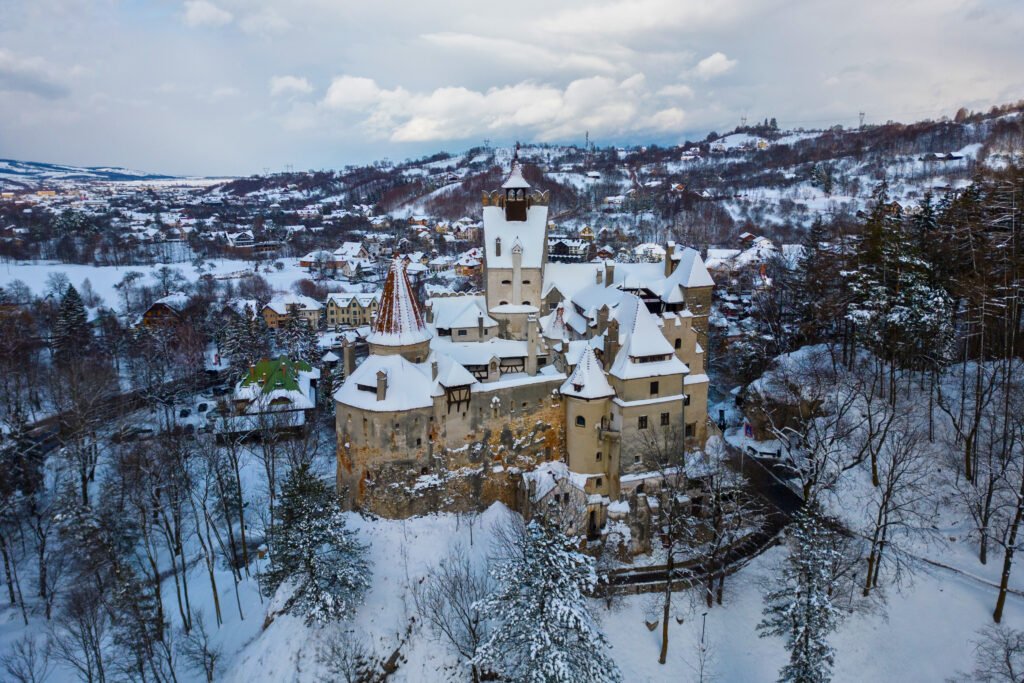
Winter gives Bran Castle a personality shift. In summer, it buzzes with travelers chasing the Dracula legend. In winter, the crowds thin, the corridors grow quieter, and the castle feels more like the fortress it once was—isolated, rugged, and full of stories whispered between stone walls. Mist often rises through the Carpathian foothills, curling around the castle’s foundation and making it look suspended between earth and sky.
Even if the Dracula connection is mostly literary, winter is when the myth feels most convincing. The castle’s narrow staircases, creaking floors, and shadowy corners take on a darker charm. Outside, the village slows down. Snow settles on rooftops. The air turns crisp. And if you time it right, you’ll see the pine forests around the castle dipped in white.
Inside, the rooms are warmer than you’d expect, with fireplaces, simple furniture, and wooden beams that glow under soft lighting. The courtyard, often covered in snow, is a lovely place for photos before looping back inside.
Winter Notes:
Bran rarely closes, but mountain weather is unpredictable. Bring warm layers and gloves—wind sweeps through the castle’s outer courtyard. Roads between Brașov and Bran are usually clear, but early morning ice is common.
Best Tip:
Visit late in the afternoon. As the sun sets behind the mountains, the shadows stretch across the castle walls, bringing out the moody, gothic look that made Bran famous in the first place.
Planning Tip:
If you want more details about exploring Bran Castle—best times to visit, history and legends, and nearby attractions—I’ve put everything together in a full guide: https://castlequestchronicles.com/bran-castle-romania-guide/. And if you’d like a quick look at the castle’s atmosphere, here’s a short video filmed from one of its classic angles.
10. Trakai Island Castle – Lithuania
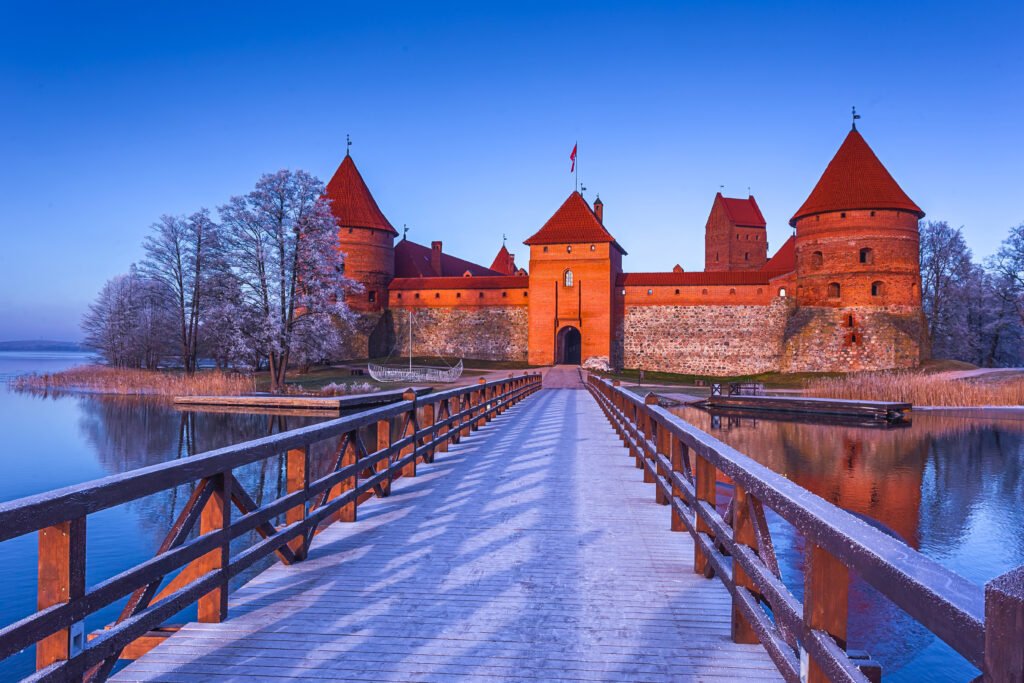
If you want a castle that embraces winter fully, Trakai is the one. Sitting on its own island, connected by bridges that cross a frozen lake, the castle looks like something from a northern fairy tale. In deep winter, when the lake turns solid and covered in snow, locals cross-country ski across the ice, and the castle stands like a warm beacon in the middle of a white landscape.
Trakai’s red brick contrasts beautifully with the pale surroundings. Snow piles softly on its towers. The courtyards echo with a silence that feels almost sacred. Inside, the museum stays warm, offering a steady escape from the cold. The thick walls keep most rooms dim and atmospheric, perfect for wandering slowly and taking in the exhibits.
Winter also brings something special to Trakai: food. The village nearby serves traditional karaim pastries—hot, savory, and perfect after a cold walk. If the weather is calm, you can circle the castle along the lakeshore for views that look like they belong in a painted winter scene.
Winter Notes:
The lake freezes, but always check local advice before walking on the ice. Snowfall can be heavy, and the bridges get slippery. Buses from Vilnius run year-round, making this an easy winter day trip.
Best Tip:
Go at golden hour. The castle glows warmly against the snow, and the shifting colors on the ice make the whole island feel enchanted.
11. Pena Palace – Sintra, Portugal
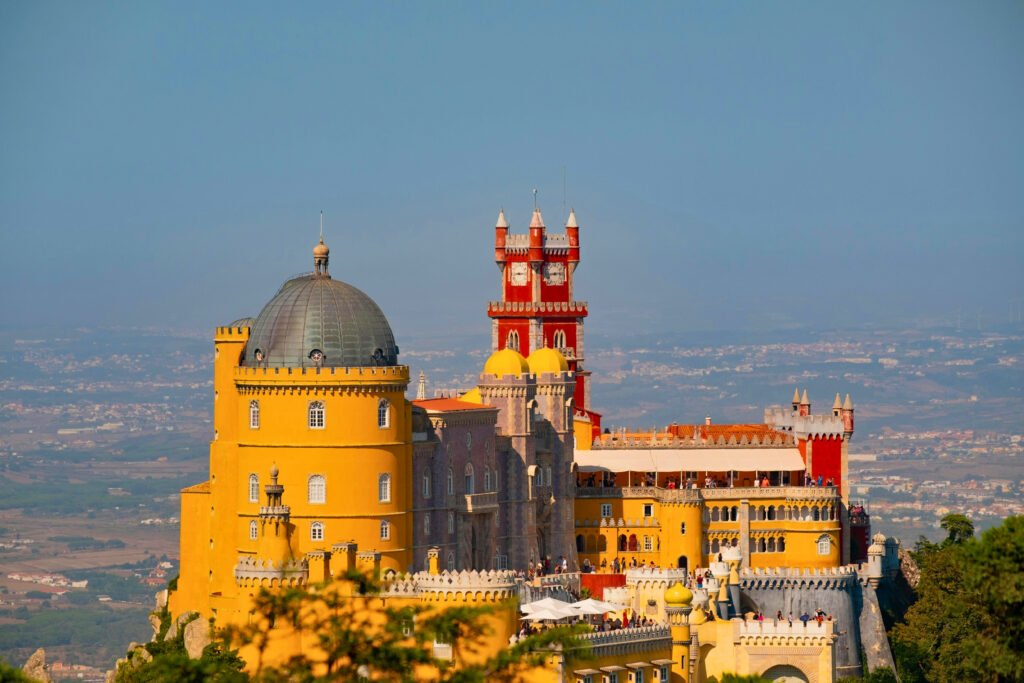
Pena Palace doesn’t need snow to feel magical, but winter adds a mood that suits it surprisingly well. On cold mornings, mist rolls through the Sintra hills and wraps the palace in a soft veil. Colors you expect to feel bold—canary yellow, deep red, and slate blue—turn muted and moody. It’s like someone dialed down the saturation and turned up the atmosphere. Walking up through the forest paths in December or January feels like entering a dream that doesn’t quite want to explain itself.
Inside, the palace is warmer than you’d expect, with rooms staged as the royal family left them. Curtains gather soft winter light. Velvet chairs seem even cozier. The dining room—set with delicate china—feels like the kind of place you’d love to sneak into with a mug of hot chocolate. Outside, the terraces offer incredible views when the clouds lift. And when they don’t? The fog gives the palace a mysterious charm you won’t find in summer.
Winter also brings relief from the usual crowds. You can wander the terraces without jostling for space, explore the palace rooms at your own pace, and enjoy the surrounding park almost entirely on your own.
Winter Notes:
Sintra is cooler and wetter than Lisbon in winter. Bring a waterproof layer—the palace sits high in the hills, and weather changes fast. Paths can be muddy or slippery, so good shoes help. The palace stays open year-round, but lines are shortest in December and January.
Best Tip:
Walk the outer walls first. If the mist is thick, give it 20 minutes—it often drifts suddenly, revealing the palace towers in dramatic bursts of color.
Planning Tip:
If you want more details before heading into the hills—best viewpoints, how to time your visit, and a history of the palace—I’ve gathered everything in my complete Pena Palace guide: https://castlequestchronicles.com/pena-palace-portugal-guide/. And if you’d like a quick glimpse of the palace from the outside, here’s a short video that captures its unique style.
12. Château Frontenac – Québec City, Canada
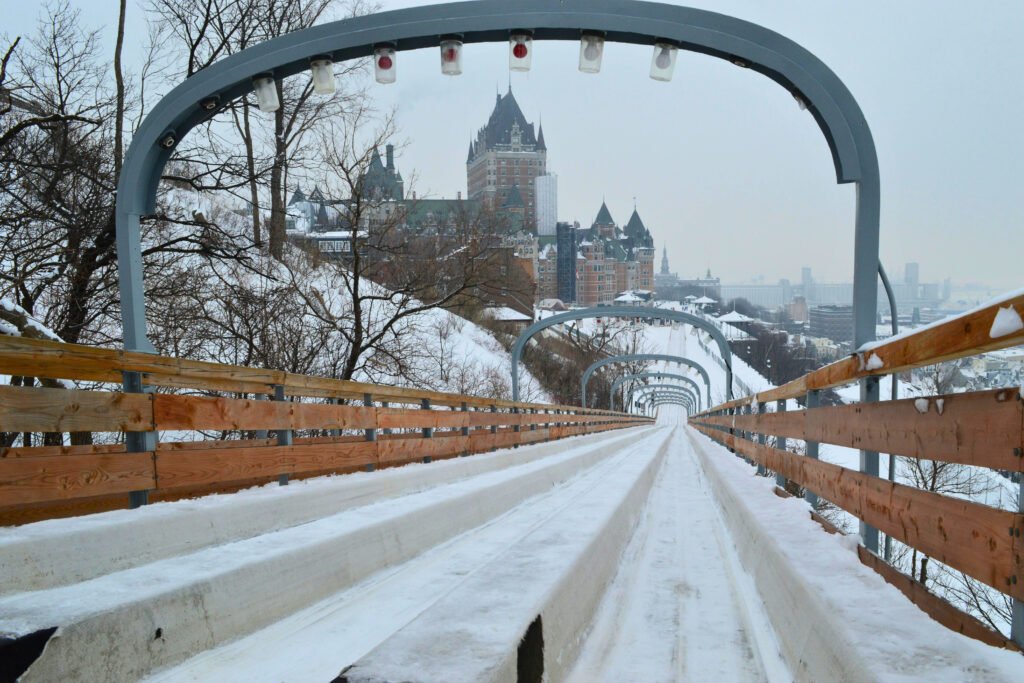
You don’t need a wild imagination to picture Château Frontenac in winter—it already looks like it was built for the season. Its copper roof catches snow like frosting. Its towers rise over a city that feels like a European village wrapped in North American winter charm. And if you visit during December or early January, the entire Old Québec area turns into a glowing maze of lights, wreaths, and steaming cups of hot chocolate.
The hotel sits proudly at the top of Cap Diamant, overlooking the frozen St. Lawrence River. On windy days, you’ll feel the cold sweep in with force, but the views are worth it. Inside, the lobby glows with warm light, winter decorations, and a steady flow of visitors bundled in scarves. Even if you’re not staying here, stepping into the lobby feels like walking into a holiday postcard.
Outside, the Dufferin Terrace becomes a long boardwalk of crisp air and cinematic views. Some evenings, tiny snowflakes drift down slowly enough to catch in the lamplight. Québec City’s Winter Carnival adds extra cheer with ice sculptures, night parades, and lively crowds.
Winter Notes:
Temperatures can drop below -20°C. Dress warmly—layers, gloves, and a warm hat are non-negotiable. Sidewalks get icy, but city crews clear them quickly. Many restaurants in Old Québec feel extra cozy in winter, so book ahead.
Best Tip:
Visit the terrace at night. The castle glows warmly against the sky, and the frozen river below looks like a mosaic of ice blocks stretching into the dark.
Planning Tip:
If you want more details on the best viewpoints, cozy cafés nearby, and how to make the most of your time around the hotel, you can read my full Château Frontenac guide here: https://castlequestchronicles.com/fairmont-le-chateau-frontenac-guide/. And if you’d like a quick glimpse of how the château looks from the boardwalk, here’s a short video.
13. Castle in the Clouds – New Hampshire, USA
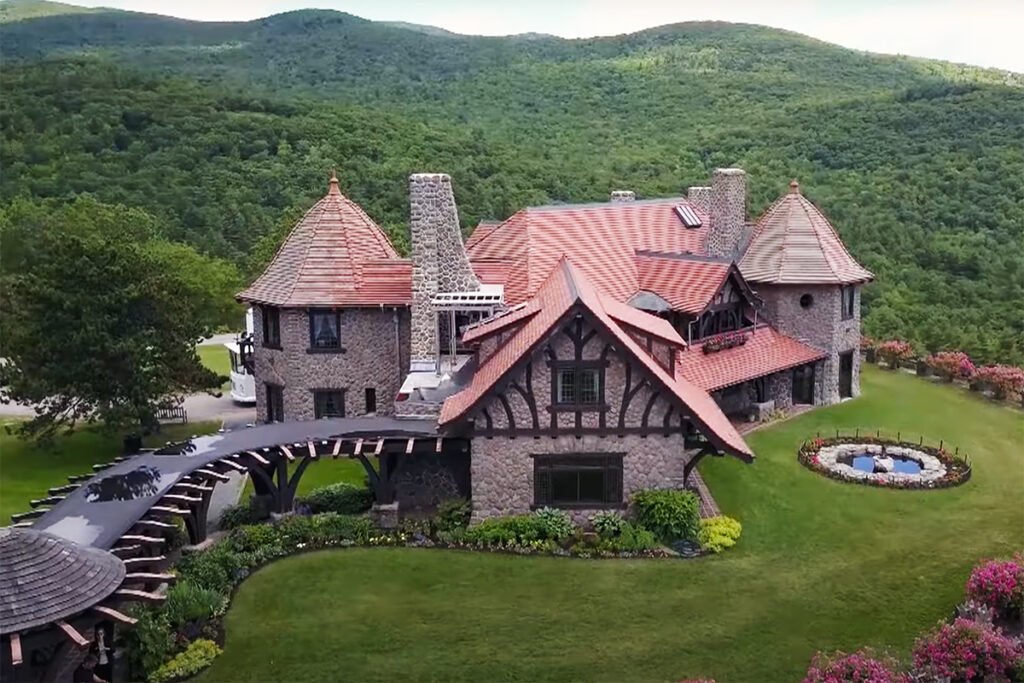
Perched high above Lake Winnipesaukee, Castle in the Clouds offers a different kind of winter magic—quiet, peaceful, and wrapped in thick New England snow. While the interior is not always open in winter, the grounds and trails often are, and this is where the real magic lies. Snow-covered trees frame a sweeping view over the frozen lake, and the air feels crisp enough to wake every sense.
The estate’s stone buildings look especially charming when dusted with snow. Footprints in the fresh powder lead you along gentle paths to viewpoints where the landscape stretches endlessly. If you’re lucky, you’ll catch the lake steaming faintly in the early morning cold—a phenomenon called “sea smoke” that makes the whole valley look like it’s floating.
Even without the interior tour, the estate’s winter mood is worth the trip. This is a place built for quiet reflection, and winter leans into that spirit. The trails are wonderful for snowshoeing, and after a fresh snowfall, the forest muffles every sound, creating a sense of solitude that’s rare and refreshing.
Winter Notes:
Check ahead—winter access varies. Roads can be icy, and the drive up the mountain requires caution. Trails may be packed snow or slushy depending on the week, so waterproof boots help.
Best Tip:
Stay for sunset. The sky often turns soft pink behind the frozen lake, and the castle silhouette becomes a beautiful foreground for winter photos.
14. Boldt Castle – New York State, USA
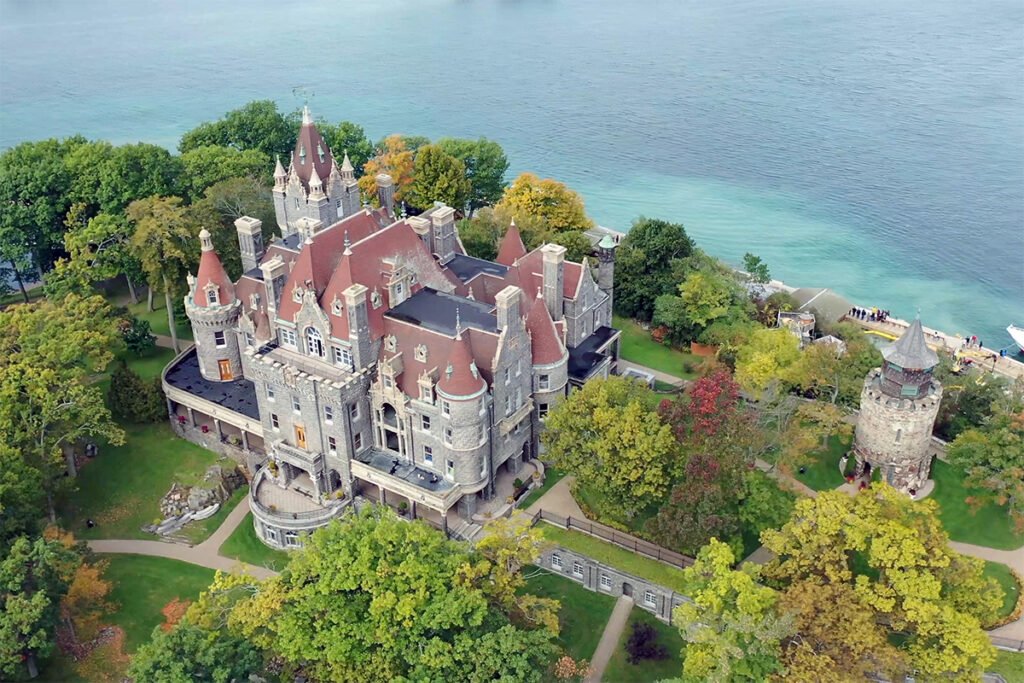
Boldt Castle sits in the middle of the St. Lawrence River, and winter transforms it into a frozen island fortress. Ice settles along the shoreline, snow gathers on the turrets, and the entire Thousand Islands region slows down into a peaceful, white stillness. While the castle itself is closed for interior visits during winter, seeing it from the frozen river or nearby vantage points is a quiet, dramatic seasonal experience.
The castle’s story adds a layer of winter poignancy. George Boldt built it as a gift for his wife, who passed away before it was finished. The unfinished castle, with its grand stone walls and broken dreams, feels especially moving under a winter sky. The surrounding islands look like scattered jewels on a white blanket of ice, and the castle rises above them with a solemn elegance.
Winter also brings spectacular views from local lookout points. The muted colors of the trees, the pale sky, and the icy river create a striking contrast with the castle’s stone façade. Some locals even venture onto the ice for winter sports when conditions are safe—seeing the castle from a snowmobile or the frozen shoreline makes it feel even more remote.
Winter Notes:
The castle interior is closed from October to early May. Winter viewing is mostly done from nearby towns or riverbanks. Dress for extreme cold—wind over the river cuts sharply.
Best Tip:
For the most atmospheric view, head to the shoreline near Alexandria Bay after fresh snowfall. The castle looks both distant and majestic—a winter postcard with a touch of melancholy.
15. Himeji Castle – Japan

Himeji Castle is stunning in any season, but winter brings out its full beauty. The white plaster walls blend with snow to create a soft, harmonious silhouette that earns the castle its nickname: the White Heron. When flakes fall gently around its layered rooftops, the entire structure looks like it might lift off the ground at any moment.
The approach to the castle is lovely in winter. Bare trees frame the outer moat, and the paths feel quieter than in cherry blossom season. The early morning light paints the walls in delicate hues—pale gold, soft grey, or even a faint pink depending on the sky. If you arrive right after a snowfall, you’ll see the rooftops lined perfectly with white, each tile catching the light.
Inside, the interior is cool but atmospheric. The wooden floors creak softly. The beams, polished by centuries of footsteps, feel warm in tone despite the temperature. The upper floors offer wide views of the city—on clear days, you can see mountains dusted with snow in the distance.
Winter Notes:
Himeji stays open all year, but the interior can feel chilly, so bring a warm layer. The climb to the top is steep at times, and wooden stairs can be slippery with wet shoes. Crowds are light in January, making it one of the best months for photography.
Best Tip:
Visit the west bailey garden afterward. Snow-covered pines, stone lanterns, and the castle rising behind them create one of the most peaceful winter scenes you’ll find in Japan.
Planning Tip:
If you want more details before climbing to the top—best viewpoints, how to time your visit, and tips for exploring the grounds—I’ve put everything together in a complete guide: https://castlequestchronicles.com/himeji-castle-japan-travel-guide/. And if you’d like a quick visual glimpse of the castle from outside the main keep, here’s a short video.
16. Matsumoto Castle – Japan
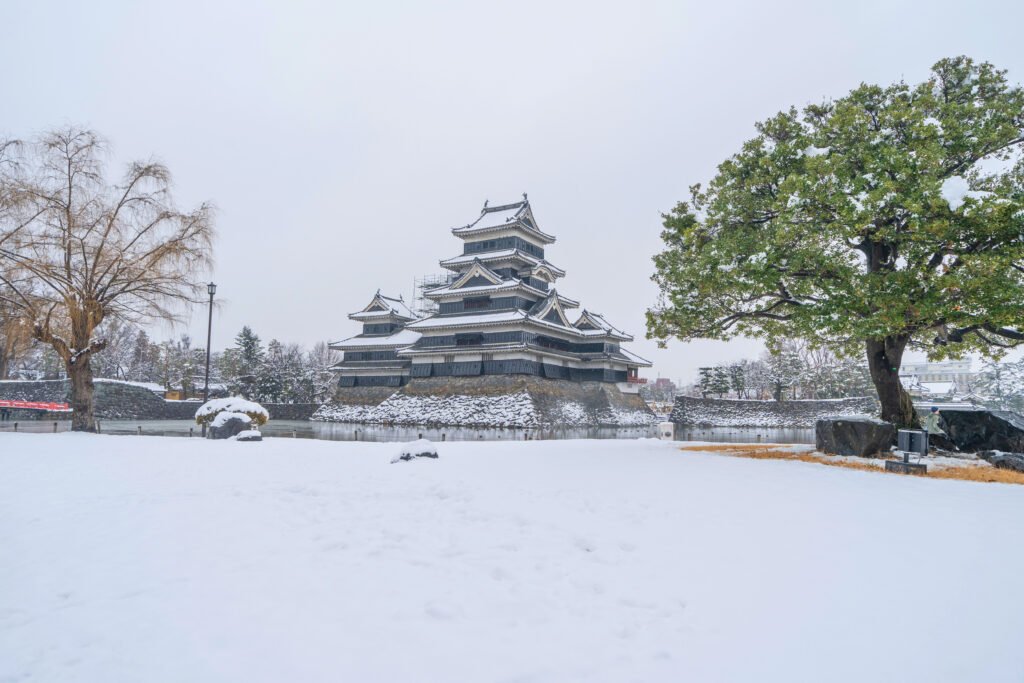
Matsumoto Castle is one of those places where winter feels like the perfect season. Its black-and-white exterior stands tall above the snowy moat, creating a contrast so sharp it almost looks painted. Locals call it the “Crow Castle,” and when fresh snow settles lightly on its rooftops, it really does look like a bird resting with wings half-folded.
The walk toward the castle is part of the experience. Pines bend under the weight of snow. The moat reflects the castle’s silhouette, distorted gently by floating ice. On clear days, the snow-covered Japanese Alps rise behind the keep—one of the most dramatic castle backdrops in the country.
Inside, the wooden interior stays surprisingly cold, but it adds to the atmosphere. The narrow staircases, polished floors, and arrow slits remind you this was once a real defensive fortress. Winter light filters through the windows in thin stripes, making the rooms feel timeless and serene. You’ll climb several steep flights to reach the top floor, where the view of Matsumoto city against the winter mountains is worth every step.
Winter Notes:
January is one of the quietest months here, a rare gift for such a popular site. The stairs can get slippery with snow from visitors’ shoes, so hold onto the railings. The grounds close earlier in winter, so plan for a morning or early afternoon visit.
Best Tip:
Circle the moat before entering. The castle’s reflection on the cold, still water—especially near sunset—creates one of Japan’s most iconic winter scenes.
Planning Tip:
If you want more details before heading inside—how to time your visit, the best moat viewpoints, and a full breakdown of the castle’s interior—I’ve put everything together in a complete guide: https://castlequestchronicles.com/matsumoto-castle-japan-guide/. And if you want a quick preview of the castle from the moat, here’s a short video filmed from one of the classic angles.
17. Hikone Castle – Japan
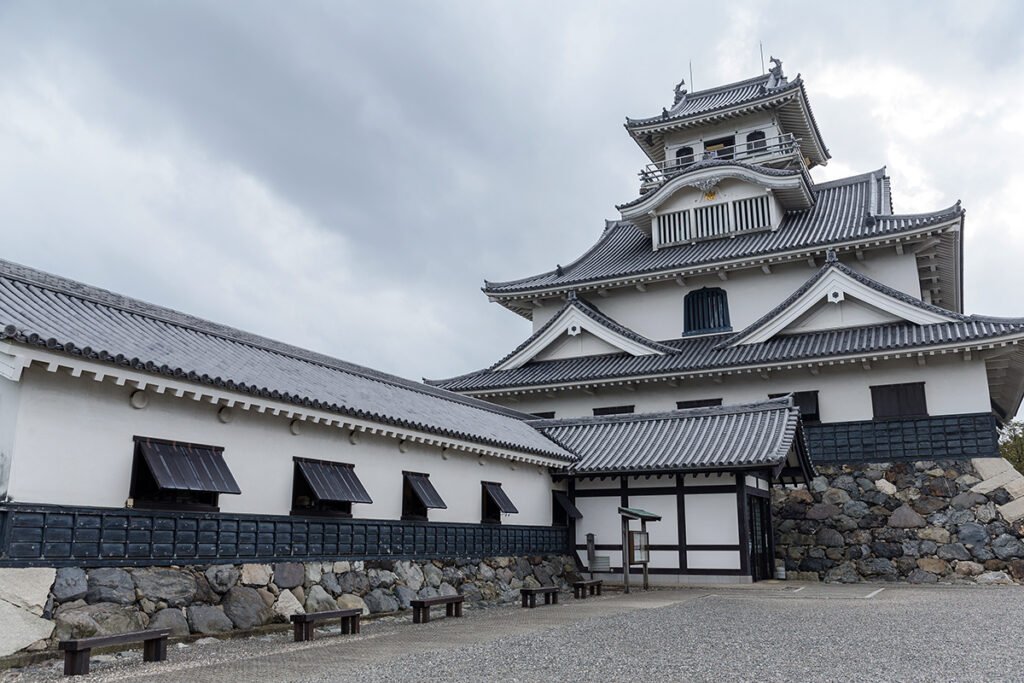
Hikone Castle doesn’t always top the lists of famous Japanese castles, but winter reveals a side of it that’s hard to forget. Smaller and more intimate than Himeji or Matsumoto, it sits on a hill overlooking Lake Biwa. When snow falls across the region, the castle seems to float above a white, quiet world.
The approach winds through gates, stone walls, and sloping paths. In winter, these steps gather snow that crunches underfoot, and the pine trees along the trail look like they’ve been dusted with powdered sugar. The keep is compact but elegant, with curved roofs that hold snow beautifully. Because the interior is simple and wooden, it feels peaceful, almost like a mountain temple.
One of the best winter views sits behind the castle: Lake Biwa stretching into the cold horizon. Fog often rises from the water, mixing with pale morning light to create a soft, watercolor-like scene. The garden nearby—Genkyuen—is equally beautiful in winter. Bridges, lanterns, and small islands sit quietly under layers of snow, offering a serene walking route after your castle visit.
Winter Notes:
Hikone stays open daily, but pathways can be slippery after snowfall. Wear good shoes. Trains from Kyoto and Osaka run reliably in winter, making this an easy cold-season day trip.
Best Tip:
Visit the garden at golden hour. The warm light on the snow, combined with the castle towering above, feels like stepping into a Japanese winter postcard.
18. Neuschwanstein’s Quiet Rival: Hohenschwangau – Germany
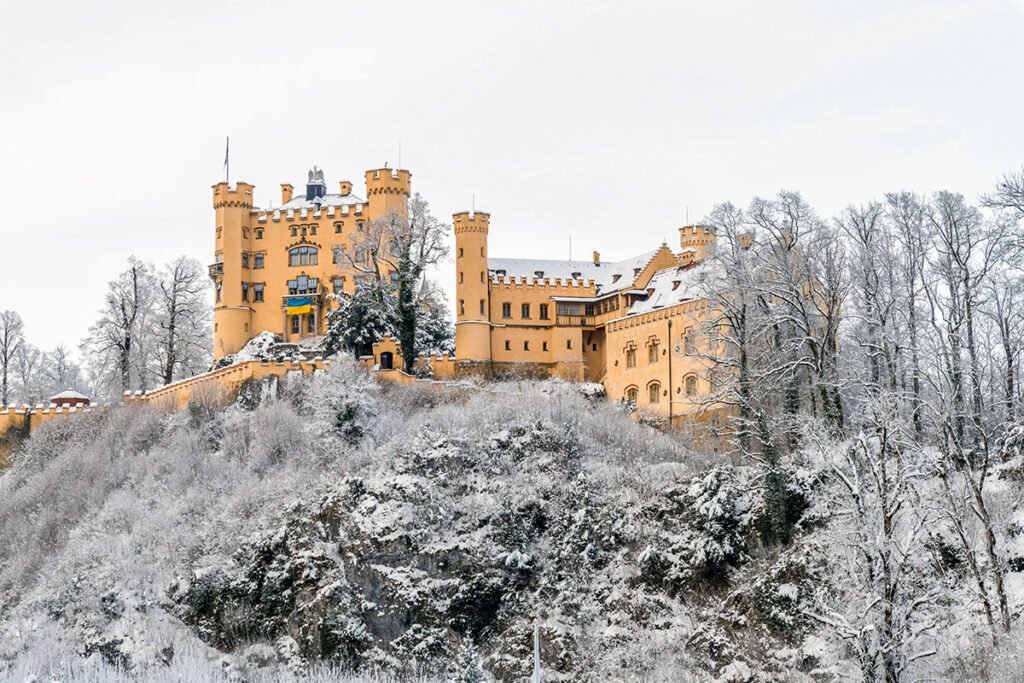
Often overshadowed by its world-famous neighbor, Hohenschwangau turns into a peaceful winter retreat when the snow falls. The mustard-colored walls soften under a dusting of white, and the castle’s modest size makes it feel approachable and warm—almost like a lived-in winter lodge rather than a dramatic palace.
King Ludwig II spent much of his childhood here, and winter seems to bring that intimacy to the surface. The surrounding hills and forests quiet down, the lake below freezes at the edges, and the paths that lead up to the castle feel tranquil under bare branches.
Inside, rooms glow with warm colors—red drapery, painted ceilings, tapestries—and the winter light filtering through the windows gives everything a soft, nostalgic mood. You’ll walk through spaces decorated with scenes from medieval legends, and because winter tours are smaller, it’s easy to appreciate the details without rushing.
Winter Notes:
The walk from the village takes about 20 minutes uphill. In snow, it’s manageable but requires steady footing. Shuttle services run less frequently in winter, so check the schedule ahead of time. The castle stays warm inside, but outer courtyards can be breezy.
Best Tip:
After your tour, walk down to Alpsee Lake. In winter, the water turns dark and still, reflecting the mountains in a way that feels almost unreal.
Quick Look:
If you want a quick look at the castle and its surroundings before you go, here’s a short video filmed from one of the nearby viewpoints.
19. Castelo de Guimarães – Portugal
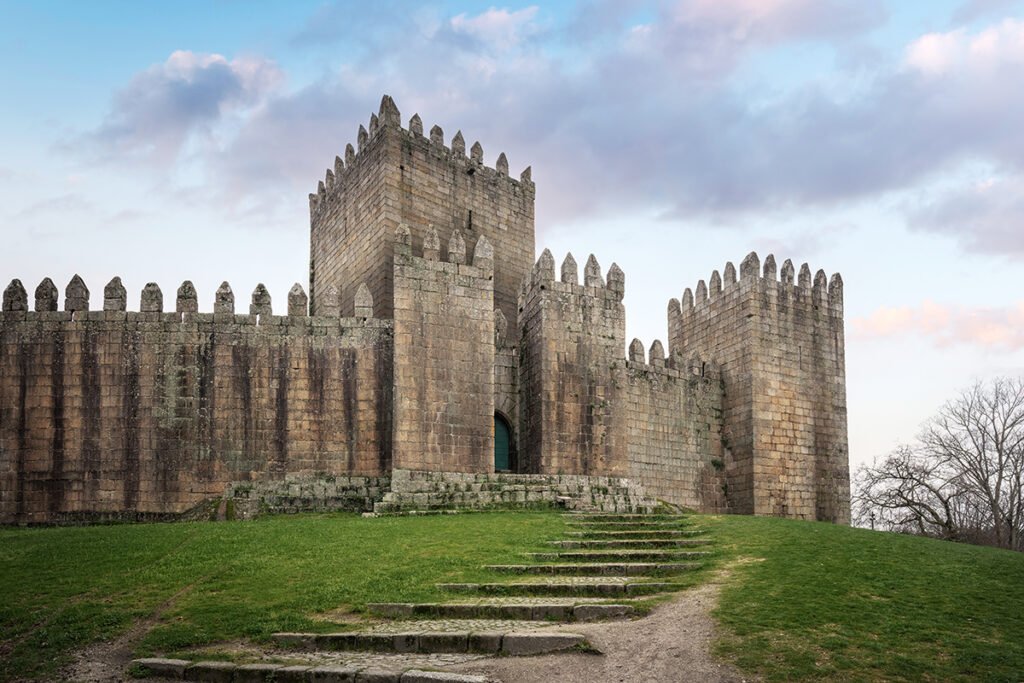
While Portugal isn’t a traditional winter destination, Guimarães Castle has a charm that fits the season beautifully. Thick stone walls rise above a quiet park, and the mild winter weather creates a calm, reflective mood. Instead of snow, you get misty mornings, crisp air, and a soft green landscape that feels peaceful rather than dramatic.
This is a castle rooted deeply in Portuguese identity—it’s linked closely to the country’s founding and early kings. Winter adds a contemplative tone to the experience. The courtyard stays quiet. The keep stands tall against the pale sky. Climbing the walls offers a gentle winter breeze and a view over the old city’s rooftops.
Inside, the atmosphere is raw and medieval. Bare stone rooms, narrow passages, and open battlements make you feel connected to the castle’s origins. Winter’s low light suits the stone textures and shadowy corners perfectly.
Winter Notes:
The castle is easy to explore in cold weather thanks to Portugal’s mild winter climate. Occasional rain can make steps slick, so bring shoes with grip. Hours remain steady year-round.
Best Tip:
Pair your visit with a walk through the historic center of Guimarães. The timber-framed houses, stone plazas, and warm cafés create a gentle winter vibe ideal for slow travel.
Top Winter Castle Experiences
Winter isn’t just a backdrop for castle visits—it shapes the experience in ways you won’t find at any other time of year. When the cold settles in and the crowds thin, castles open themselves up to slower, richer moments. Here are the winter experiences that stand out, the ones worth planning your trip around.
Christmas Markets in Castle Courtyards
Some of Europe’s best holiday markets take place inside castle walls. Picture wooden stalls tucked between towers, the smell of cinnamon drifting through stone archways, and lights strung across courtyards that once hosted knights and monarchs. Many castles bring in local artisans, festive music, and regional holiday dishes. It’s one thing to browse ornaments in a city square—another entirely to do it beneath centuries-old battlements. If your winter castle vacation falls in late November or December, seek out these markets first.
Torchlight Tours and Night Walks
Short daylight hours become an advantage in winter. Several castles open their gates for evening tours lit by lanterns or torches, creating an atmosphere that’s equal parts dramatic and serene. Walking through dim stairways with the sound of your own footsteps echoing off cold stone hits differently in winter. Torches flickering in courtyards add a layer of medieval charm you won’t forget.
Snow-Covered Ramparts
Not every castle gets snow—but when they do, it’s magical. Snow softens sharp edges and turns defensive walls into quiet walkways. The world beyond the battlements goes muted, like someone turned down the volume. Walking along a snowy rampart at Neuschwanstein, Karlštejn, or Matsumoto feels like stepping through time. Even a thin dusting transforms the view.
Frozen Moats and Island Castles
Castles surrounded by water take winter to a whole new level. At Trakai, the lake often freezes entirely, turning the approach into a scene from a northern fairy tale. Matsumoto’s moat reflects the keep more cleanly in winter, and Eilean Donan’s tidal waters settle into a silver calm on cold mornings. The mix of ice, stone, and open sky creates some of the most photogenic views of the season.
Seasonal Illuminations and Fireworks
Winter nights are long, and many castles take advantage of that with special light shows, illuminated gardens, and festive displays. Some host New Year celebrations with fireworks rising above their towers. Others decorate courtyards with lantern trails or projected art. These events turn cold evenings into warm, lively gatherings, perfect for travelers seeking something beyond daytime sightseeing.
Exclusive Winter Exhibitions
Because winter brings fewer visitors, many castles open special exhibits or rare rooms not usually accessible in high season. You might catch historical costume displays, royal winter traditions, medieval feasts recreated through sets and soundscapes, or temporary art installations that make use of the castle’s atmospheric interior.
Winter Food and Hot Drinks
From mulled wine in Germany to karaim pastries in Lithuania, winter castle travel comes with seasonal comfort food. Some sites offer hot drinks in their cafés, warm soups, or regional winter sweets. Eating something hot inside a centuries-old hall while snow falls outside is one of the simplest pleasures of castle travel in winter.
Winter narrows the world in a good way. It swaps summer busyness for intimacy, bright light for subtle shadows, and noise for quiet. These experiences—markets, torchlit walks, snowy walls—are what turn a simple visit into a memory worth holding onto.
Travel Planning Tips for Winter Castle Trips
Winter castle travel has its own rhythm—slower, quieter, and full of small moments that only appear when the air turns cold. But it also comes with quirks you’ll want to prepare for. Here’s how to make the most of your winter castle vacation without getting caught off guard by snow, short days, or chilly interiors.
Pack for Cold, Wind, and Unexpected Changes
Layers are your best friend. Castles are made of stone, and many of them feel colder inside than outside. Bring:
- A warm base layer
- A waterproof outer layer
- Gloves (touchscreen-friendly if you take photos often)
- A hat that covers your ears
- A scarf or neck warmer
- Warm, grippy boots (essential for icy courtyards and steep paths)
Even in milder countries like Portugal or France, winter weather can shift quickly. In Japan and Central Europe, expect real cold—especially in the mornings.
Handle Snow, Ice, and Fog Like a Pro
Some of the best winter castle photos come from stormy or foggy days. But be ready:
- Steps get icy fast. Hold railings and walk slowly.
- Forest trails leading to castles may be muddy or slippery.
- Fog can reduce visibility, but often clears dramatically—wait 10–15 minutes instead of giving up.
- Bridges and ramparts stay windy, so secure hats and scarves.
If you’re renting a car in winter regions, check tire requirements. Mountain areas like Bavaria, the Highlands, or Nagano can change from calm to snowy in an hour.
Pick the Best Winter Months by Region
- December: Ideal for Christmas markets and holiday lights. Crowds in festive hotspots, but magical everywhere.
- January: The quietest month. Best for photography and peaceful visits.
- February: Snow often peaks in colder regions. Great for scenic landscapes.
Japan’s best winter castle months? Late January and February.
Scotland’s moodiest? December and early January.
France and Portugal? December for events, January for quiet.
Budget Tips: Winter Can Save You Money
Winter is low season in many castle regions, meaning:
- Cheaper hotels
- Fewer lines
- Better access to restaurant reservations
- Discounted regional transport in some areas
- Special winter passes (Japan offers several)
The exception: holiday markets. Late November to Christmas week sees higher prices—book early if that’s your plan.
Photographing Castles in Winter
Winter light is softer, lower, and more flattering than harsh summer sun. But you’ll want to time things well:
- Golden hour comes early—often between 3:30 and 5:00 p.m.
- Blue hour is longer, perfect for shots of illuminated castles.
- Snowy landscapes look best just after sunrise or after fresh snowfall.
- Bring a microfiber cloth to clear lens fog or snowflakes.
- Keep your batteries warm—they drain quickly in the cold.
If wind makes tripod use difficult, brace your camera against a wall or railing.
How Shorter Days Affect Castle Visits
Winter gives you fewer daylight hours, so plan accordingly:
- Start early—many castles open around 9:00 or 10:00 a.m.
- Put outdoor viewpoints first; save interiors for late afternoon.
- Expect some areas to close earlier in winter (gardens, terraces, towers).
- Long-distance day trips may feel rushed—check sunset times before you go.
The upside? Evening castle lights turn on early, and the whole world shifts into warm tones before dinner.
Final Tip: Embrace the Slower Pace
Winter castle travel isn’t about racing between attractions. It’s about absorbing the mood—fog, cold air, empty courtyards, warm cafés afterward. If you lean into that rhythm, winter becomes the best castle season of the year.
Suggested Winter Castle Itineraries
Winter rewards travelers who slow down and choose their stops thoughtfully. These itineraries blend scenic routes, warm meals, and castles that shine brightest when the air turns cold. Whether you prefer mountains, medieval lanes, or quiet Japanese towns, you’ll find a route that brings out winter’s best moods.
A Fairytale Week in Bavaria
Day 1 – Munich
Arrive and settle into the winter rhythm. Warm up with a classic Bavarian meal and explore the old town under festive lights if you’re visiting in December.
Day 2 – Neuschwanstein Castle
Head to Schwangau early. Walk up through snowy forest paths and visit the castle before the crowds. If Marienbrücke is open, take in the famous winter panorama.
Day 3 – Hohenschwangau & Alpsee
Explore Neuschwanstein’s quieter neighbor. Hohenschwangau feels cozy in winter, and Alpsee’s lakeside trail offers peaceful views of frozen water and mountains.
Day 4 – Hohenzollern Castle
Drive or take a train north. The castle sits above the clouds on winter mornings, making it one of the most dramatic sights in Germany. Visit the Christmas market here if your timing aligns.
Day 5 – Linderhof Palace or Oberammergau
Choose between Ludwig II’s intimate palace or the charming Alpine village of Oberammergau. Both feel magical under snow.
Day 6–7 – Return to Munich
Use your final days for museums, warm cafés, and a relaxed stroll through the English Garden dusted with frost.
Frost & Fire: Scotland’s Winter Castles Road Trip
Day 1 – Edinburgh Castle
Start at the top of Castle Rock. Fog often rolls through the city in winter, giving the fortress a striking silhouette.
Day 2 – Stirling Castle (optional), then drive north
Stirling is impressive in colder months, with sweeping valley views. Continue through the Highlands for scenery that grows wilder by the mile.
Day 3 – Eilean Donan Castle
Arrive early to catch the castle reflecting on calm winter waters. Explore nearby viewpoints for stunning sunrise shots.
Day 4 – Urquhart Castle & Loch Ness
The ruins sit on the loch’s edge, often cloaked in mist. Winter keeps the crowds low, perfect for quiet exploration.
Day 5–6 – Inverness & Cairngorms
Warm up in local pubs. Take snowy scenic drives or short hikes. Wildlife sightings are better in winter.
Day 7 – Return to Edinburgh
Stop at small villages on the way back for the full Highland winter experience.
Christmas Markets & Castles in France
Day 1 – Paris
See the city dressed in lights. Winter evenings along the Seine feel especially charming.
Day 2 – Château de Vincennes
A short metro ride brings you to a fortified medieval castle. Winter mornings here are quiet and atmospheric.
Day 3 – Château de Fontainebleau
Explore grand halls and wooded grounds dusted with frost.
Day 4 – Château de Chambord
Head to the Loire Valley. Chambord’s winter decorations fill the castle with warmth and color. Stay in the region for calm rural evenings.
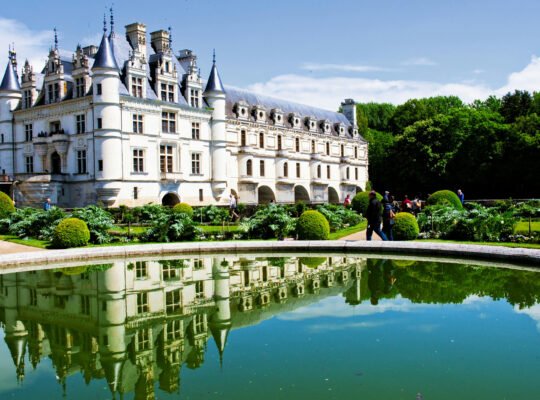
Day 5 – Amboise or Chenonceau
Both offer cozy winter moods. Chenonceau glows beautifully with seasonal décor.
Day 6–7 – Strasbourg or Colmar
End your trip in Alsace, home to France’s most magical holiday markets. Timber-framed houses, mulled wine, and lights everywhere.
Snowy Japan: Himeji to Matsumoto
Day 1 – Osaka or Kyoto
Settle in with warm bowls of ramen and winter street scenes.
Day 2 – Himeji Castle
Arrive early for quiet courtyards. If you’re lucky, snow will highlight the castle’s white layers.
Day 3 – Hikone Castle
Take a train to Lake Biwa. The castle hill offers beautiful winter views and a tranquil atmosphere.
Day 4 – Travel to Nagano Prefecture
Make your way toward the Japanese Alps for deeper winter scenery.
Day 5 – Matsumoto Castle
One of Japan’s finest winter sights. Black walls, snowy moat, and mountain views.
Day 6 – Hot Springs in Yudanaka or Shibu Onsen
Relax in traditional baths surrounded by snow.
Day 7 – Return to Tokyo
Wrap up your trip with cozy cafés, winter illuminations, and last-minute castle souvenirs.
Each itinerary leans into winter’s best qualities: slow mornings, warm meals, and landscapes softened by cold. Pick one, adjust it to your style, and let winter turn your castle visit into something unforgettable.
Frequently Asked Questions (FAQ)
Are castles open in winter?
Most major castles stay open year-round, especially those in Europe and Japan. Some adjust their hours, and a few close sections like gardens or towers due to ice. Always check the official website before you go.
Do I need special clothing for winter castle travel?
Yes. Stone castles get cold inside, and outdoor areas can be windy. Pack warm layers, gloves, and waterproof shoes with good grip—especially for places with icy paths or steep climbs.
What’s the best month to visit castles in winter?
It depends on the experience you want.
December for Christmas markets and holiday lights.
January for quiet visits and the best photography conditions.
February for deeper snow in colder regions.
Will snow ruin or enhance my castle visit?
Often the opposite—snow makes castles look incredible. Just leave extra time for travel and be ready for slower walking conditions.
Are winter castle tours crowded?
Usually not. Winter is the quietest season for castle travel, except during Christmas market weekends. Weekdays in January or February offer near-empty courtyards.
Can I drive to castles in winter?
In many regions, yes—but be cautious. Mountainous areas (Bavaria, the Highlands, Nagano) may require winter tires, and sudden snow can affect roads. Public transport is often more reliable.
Are winter castle photos worth it?
Very. Low-angle light, fog, frost, and snow create atmospheric images. Bring a backup battery and a microfiber cloth—cold drains power and fogs lenses quickly.
Do castles offer special winter events?
Many do. Look for Christmas markets, seasonal illuminations, torchlit tours, and temporary exhibitions. Some castles add winter-only rooms or displays.
Can I visit island or moat castles when the water freezes?
Absolutely—but check safety guidance. Lakes like Trakai sometimes freeze solid, while rivers like the St. Lawrence remain partially open. Walk only where locals confirm the ice is safe.
Are restaurants and cafés near castles open in winter?
Most remain open, though hours are shorter. Remote villages may have fewer options, so plan meals ahead. In Japan and the Highlands, convenience stores and local pubs are reliable backups.
What’s the best time of day to visit in winter?
Mornings give clean light and fewer people. Afternoons bring warmer tones and early blue-hour photos. With short days, avoid starting too late—you don’t want to rush through interiors.
Is winter castle travel suitable for families?
Yes. Kids often love the snow, the decorations, and the quieter spaces. Just pack warm clothing, plan shorter walking routes, and choose castles with good indoor areas for breaks.
Winter travel rewards preparation—but once you’re ready, the season offers some of the most peaceful and memorable castle visits you’ll ever experience.
Final Thoughts
Winter changes the way we see castles. It softens some edges, sharpens others, and reveals details we miss in the busier seasons. A tower rising through morning fog. A courtyard emptied of noise. Snow drifting across ancient stone. Warm light spilling from narrow windows as the day fades early. These are the moments that stay with you long after your trip ends.
Traveling in winter isn’t about rushing from one landmark to another. It’s about letting the cold slow you down in the best possible way. You linger longer. You notice more. You feel the history more closely. Whether you’re standing before the bright walls of Himeji, the frozen moat around Matsumoto, the glowing silhouette of Château Frontenac, or the mist-wrapped towers of Scotland’s Highlands, winter offers a kind of castle magic you won’t find at any other time of year.
If you’re planning your next trip and craving something different—something quieter, richer, and filled with atmosphere—let winter guide you. Pick a castle or two from this list, wrap up warm, and see how the season transforms the experience.
Have you visited a castle in winter? Share your stories. Tell us which places surprised you, which moments stayed with you, or which destinations you’re dreaming about next. And if you’re looking for more winter inspiration, castle histories, or travel guides, explore the rest of CastleQuest Chronicles. There’s always another gate to walk through, another tower to climb, and another story waiting in the cold air.
👉 Ready to keep exploring? Discover royal wonders in our guide to 10 Unforgettable Castles to Visit in France Today, or journey south with 10 Best Castles to Visit in Italy — a perfect mix of medieval power and fairytale charm. Each one is packed with stories, legends, and travel tips worth saving for your next adventure.
🏰✨ Thanks for reading! If you enjoyed this castle journey, come along for more. Follow CastleQuest Chronicles on Instagram, Facebook, Pinterest, YouTube, TikTok, and X for daily castle inspiration and behind-the-scenes stories. You can also browse all our latest features and guides here. More castles — and more incredible tales — are always on the way.