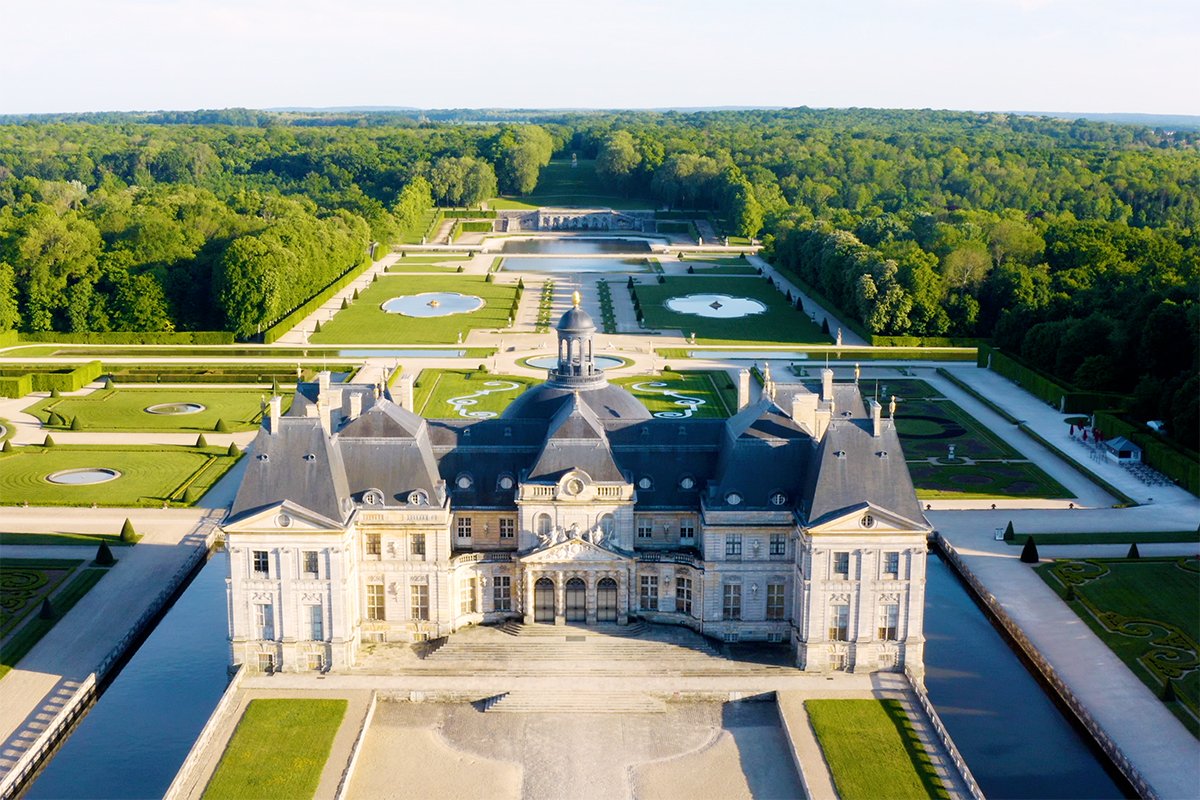
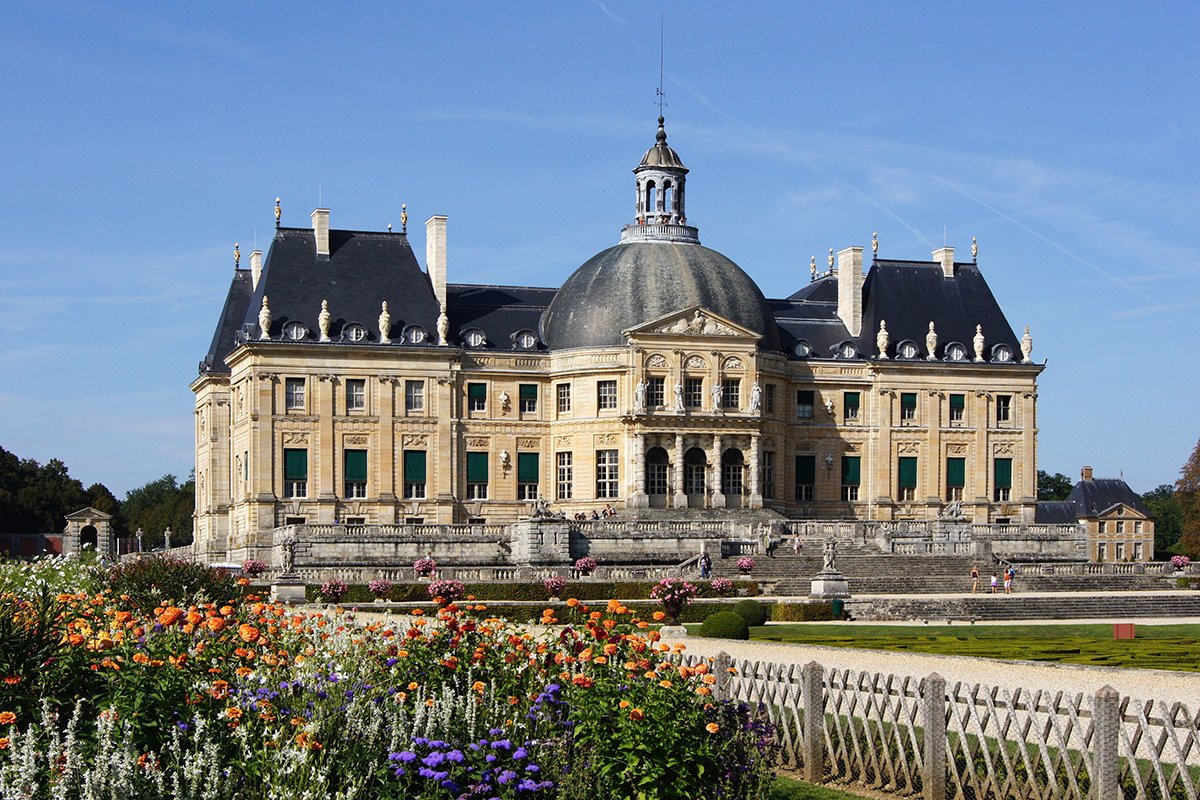
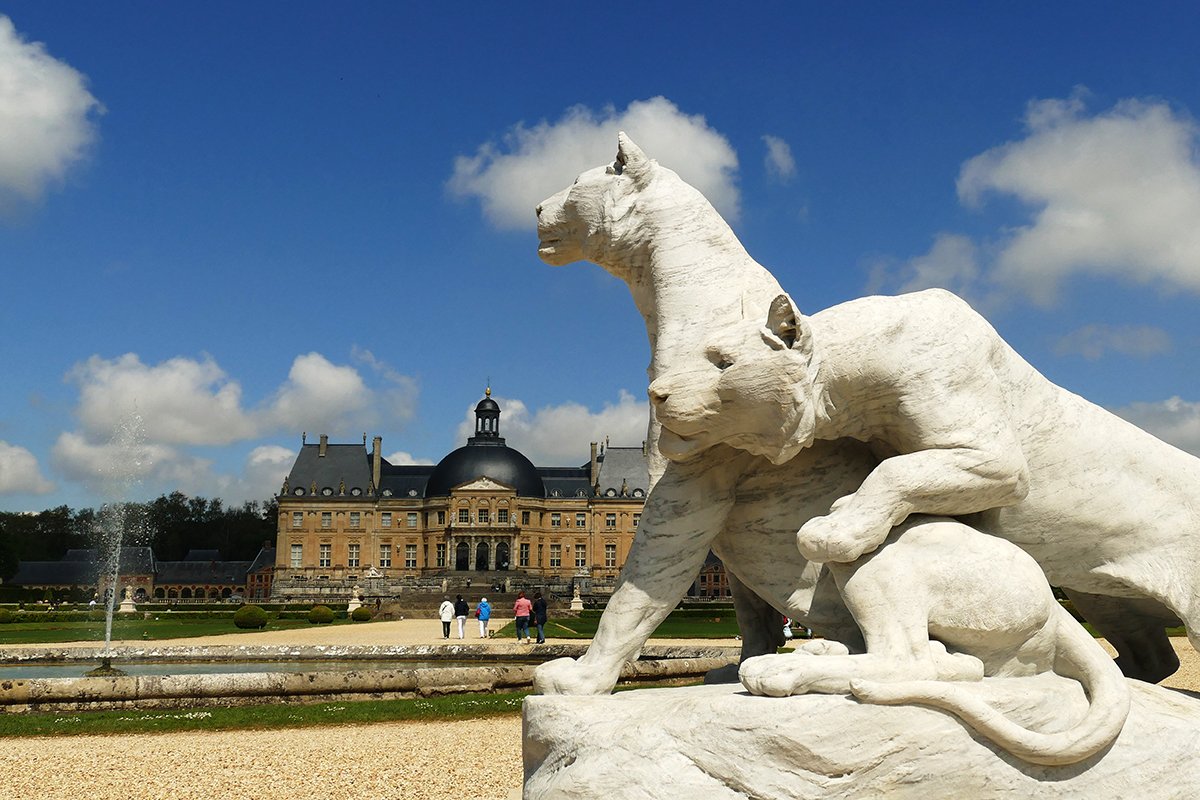
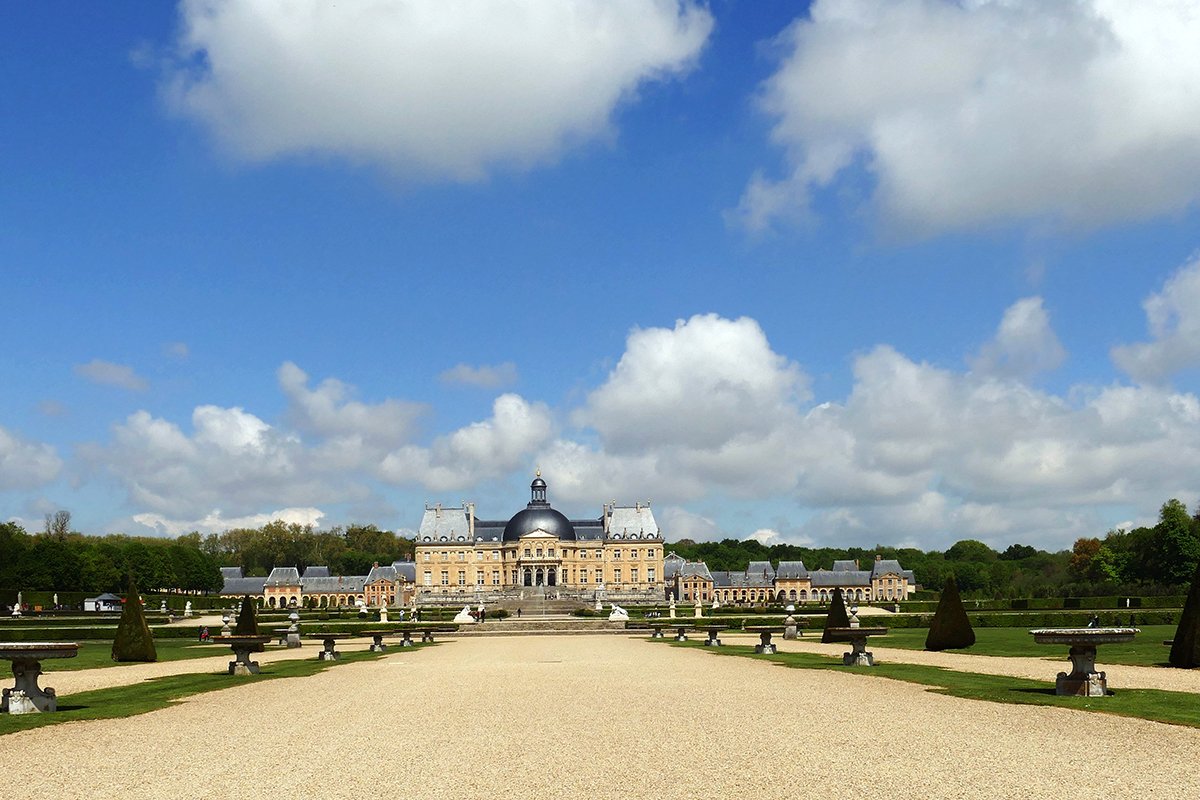
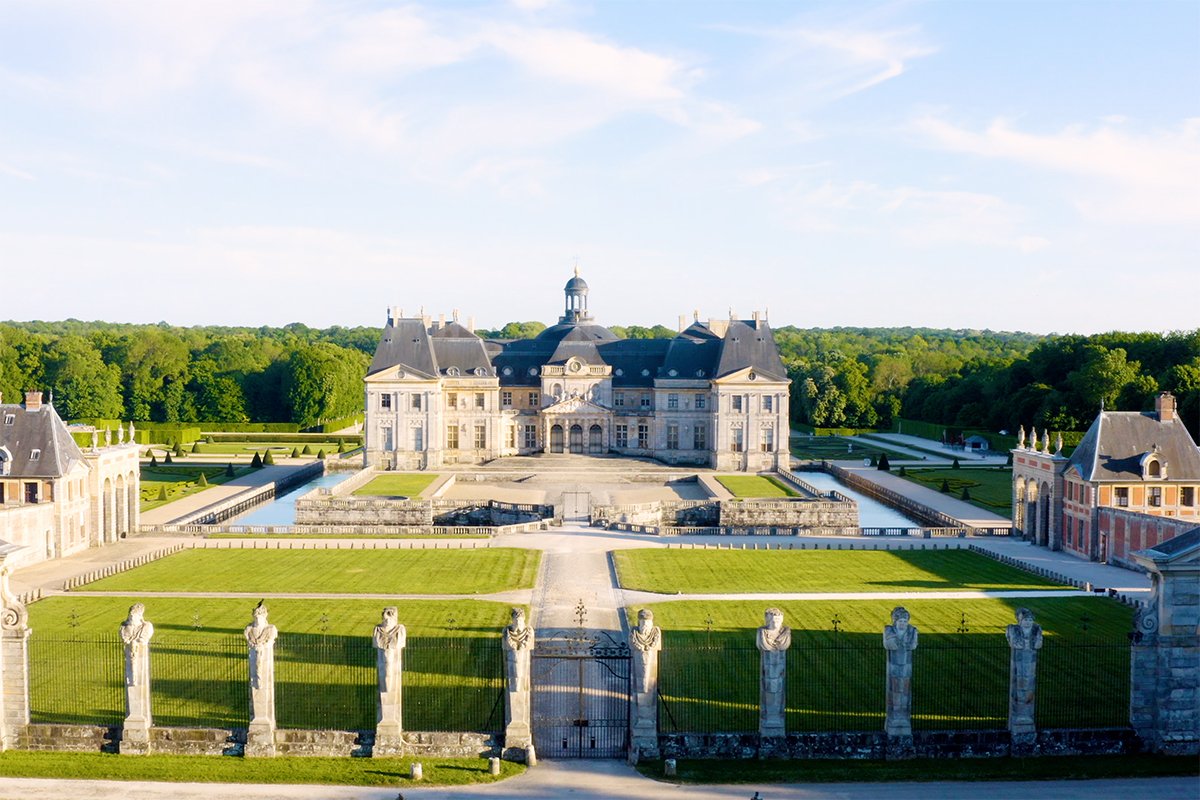
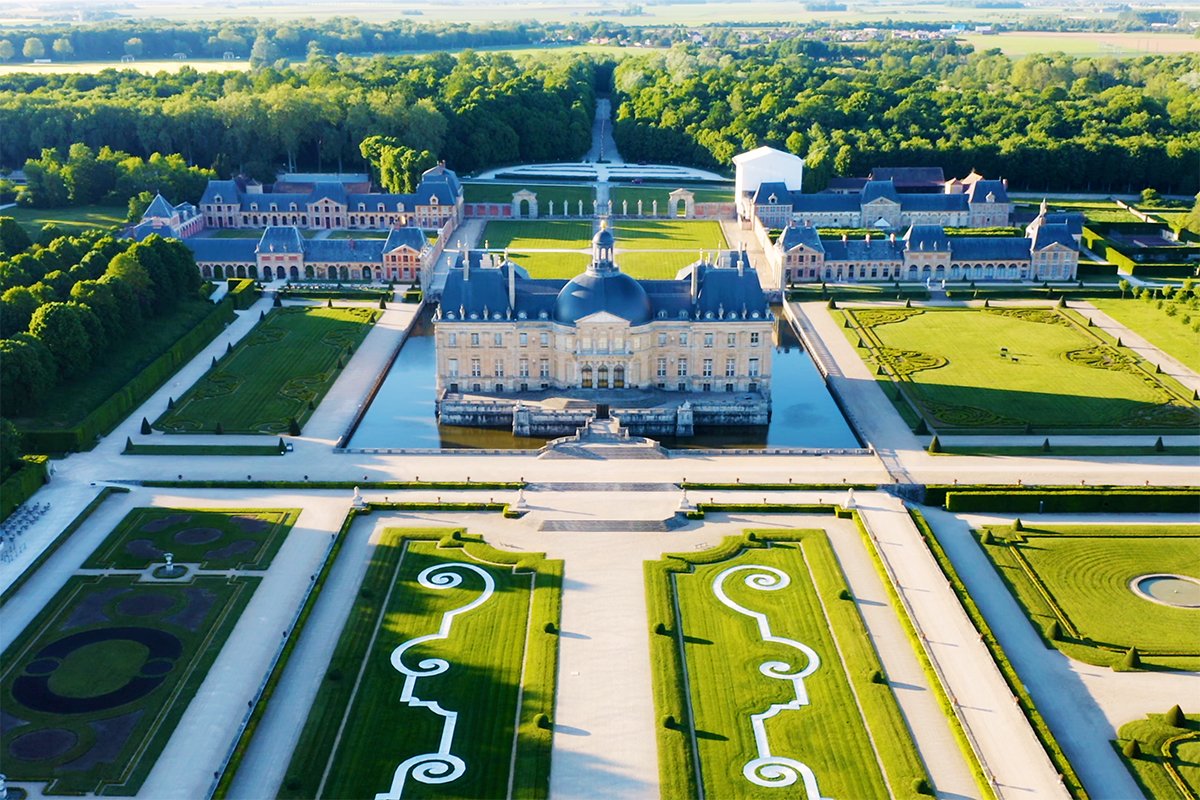
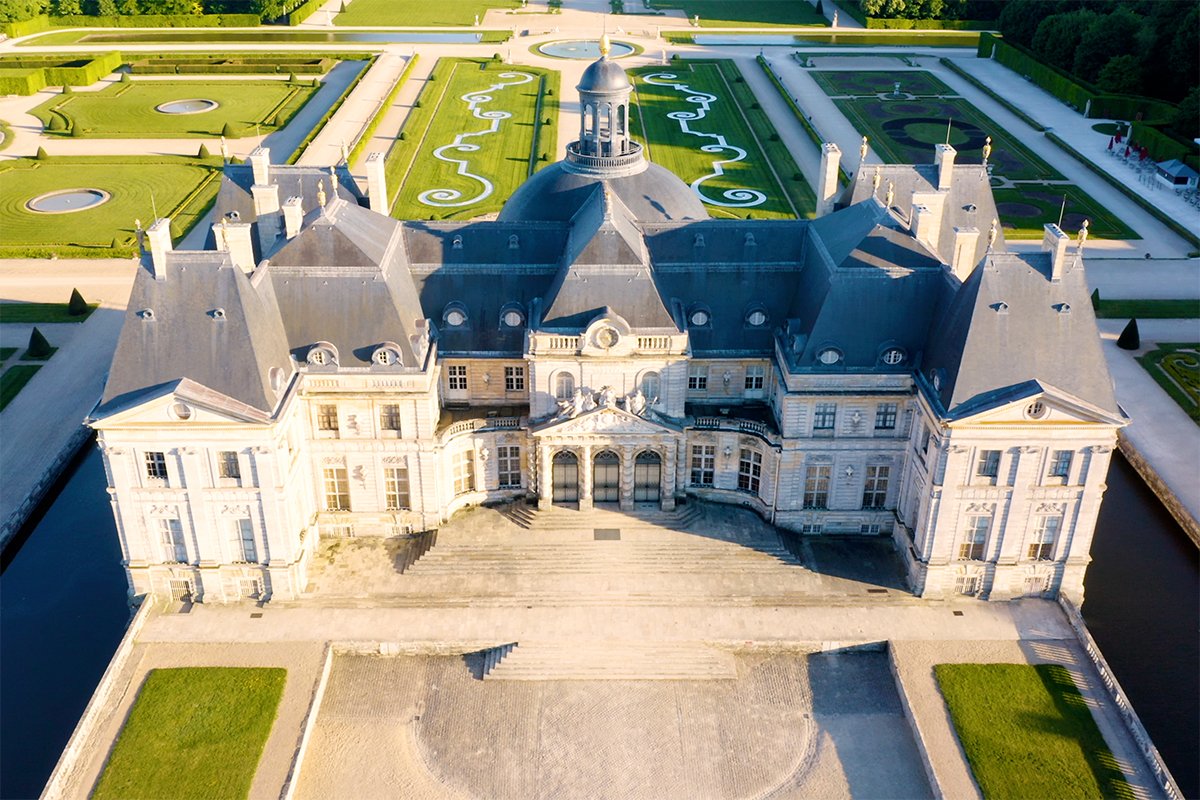
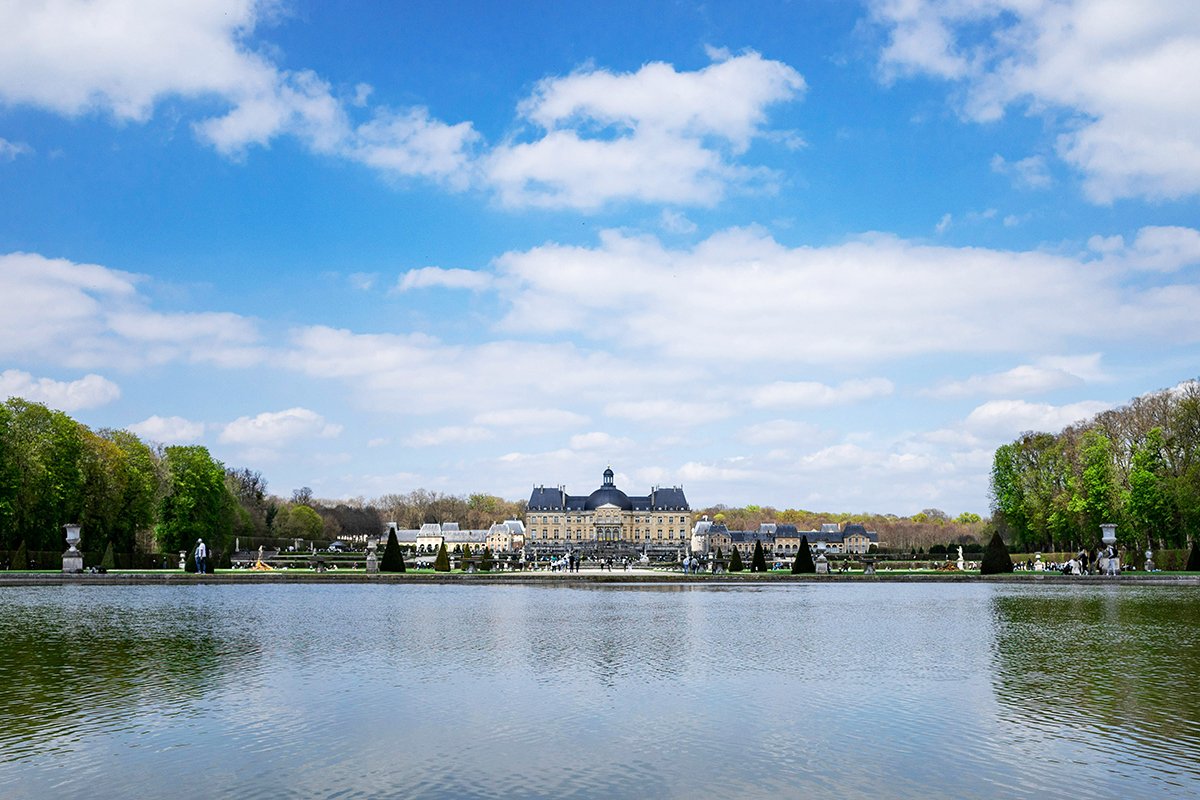
An hour from Paris, Château de Vaux-le-Vicomte feels like the moment French grandeur learned to choreograph itself. Cross the bridges over its moat and you’re drawn straight down a theatrical axis—through airy salons, past a luminous rotunda, and out into André Le Nôtre’s illusion-rich gardens. It’s refined, perfectly proportioned, and just intimate enough to remember it began as one man’s astonishing private dream.
Quick Facts
📍 Location: Maincy (near Melun), Île-de-France, France
🏗️ Construction Period: 1656–1661
🏰 Architectural Style: French Classical / Baroque (17th-century classical architecture)
🎭 Famous For: The 1661 fête for Louis XIV, inspiring Versailles, and the Le Vau–Le Brun–Le Nôtre collaboration that set the template for French grand design
👑 Notable Figures: Nicolas Fouquet; Louis Le Vau; Charles Le Brun; André Le Nôtre; Louis XIV; Alfred Sommier; the de Vogüé family
🏆 UNESCO Status: No (not UNESCO-listed)
🌐 Official Website: https://vaux-le-vicomte.com/en/
Map
Historical Context
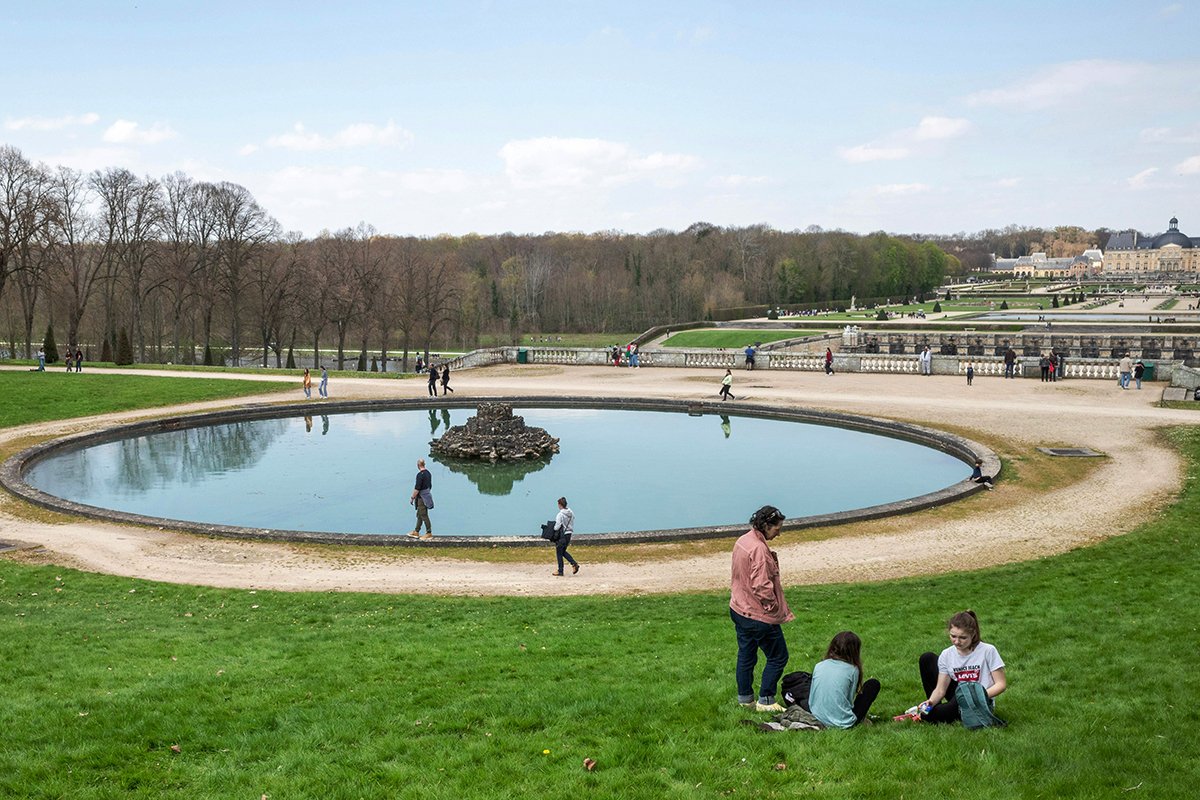
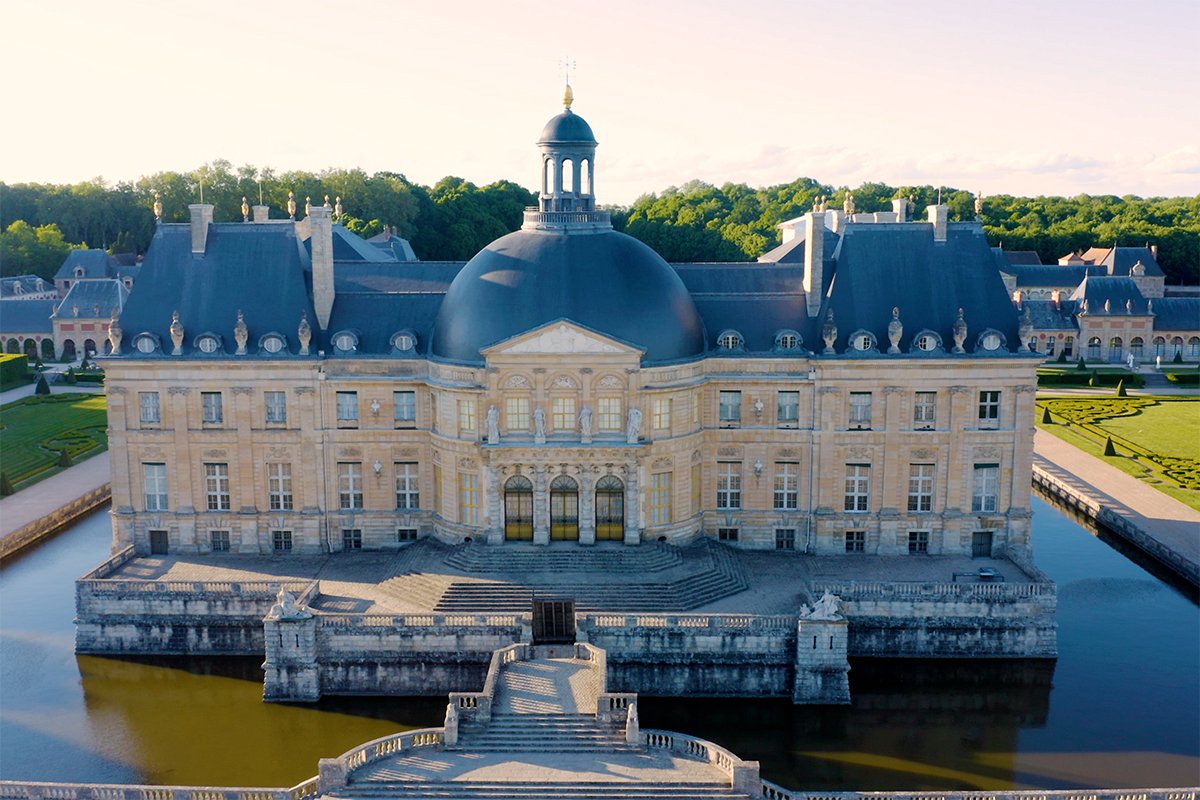
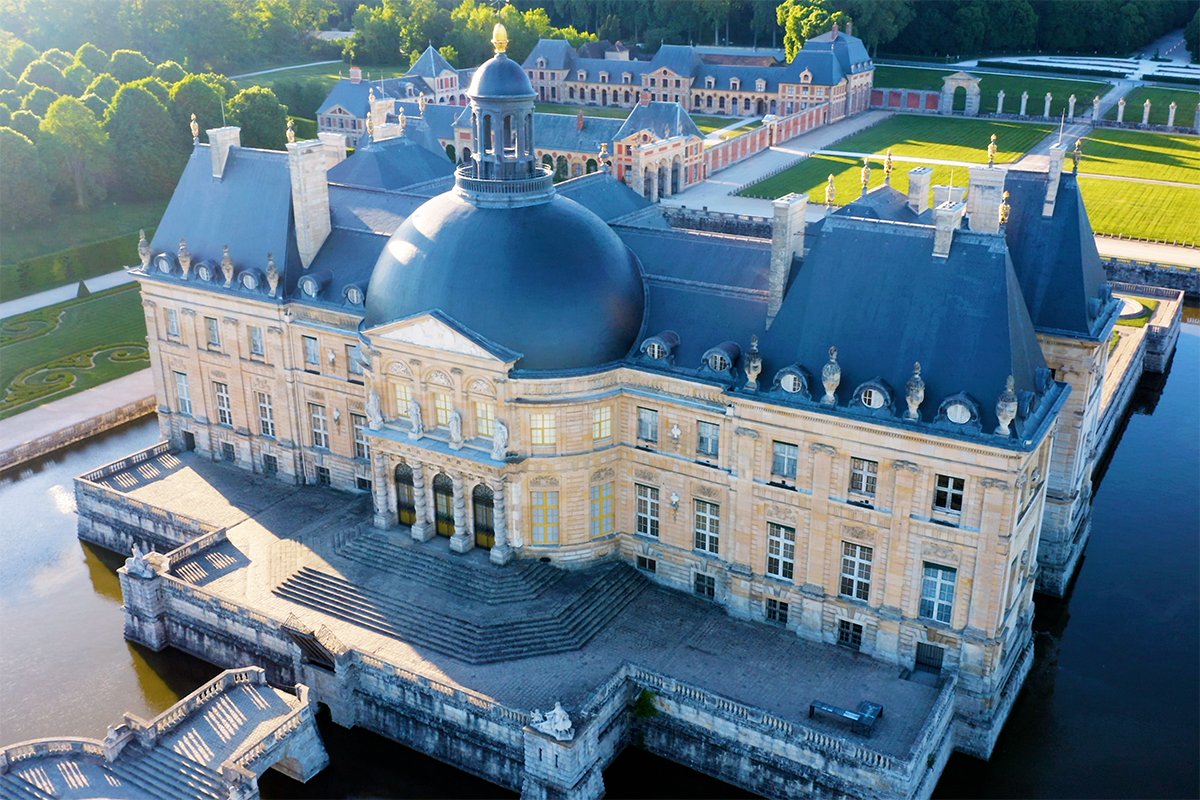
Built between 1656 and 1661 for Nicolas Fouquet, Louis XIV’s Superintendent of Finances, Vaux-le-Vicomte became a defining statement of 17th-century taste and ambition. Fouquet assembled a dream team—architect Louis Le Vau, painter-decorator Charles Le Brun, and landscape genius André Le Nôtre—working together at this scale for the first time. The result was revolutionary: a transparent, perfectly aligned residence set on a moated platform, with a bold central rotunda and an interior plan that improved privacy through double enfilades. Outside, Le Nôtre shaped terraces and water into a grand, measured spectacle, using optical tricks to pull distant features closer. Fouquet’s glittering fête for the king on 17 August 1661 proved fatal; soon after, he was arrested, and his château—ironically—helped inspire Versailles.
Visual Tour
Visiting Information
🗓️ Best Time to Visit: April, May, late September, and October
🗺️ Location Perks: You’re in the green, gently rolling countryside of Île-de-France—close enough for an easy Paris day trip, yet far enough to feel a real escape. Don’t rush the central garden axis; the perspective tricks only reveal themselves as you walk.
⏳ Estimated Visit Duration: Plan to spend 2–3 hours exploring the castle and its grounds.
💡 Visiting tips: Arrive early to enjoy the château’s long sightlines before peak crowds, then save time for a full garden walk—Le Nôtre’s effects work best on foot. If you can, choose a day with good light; the ornamented stonework and reflective water features photograph beautifully.
Related Articles
Search