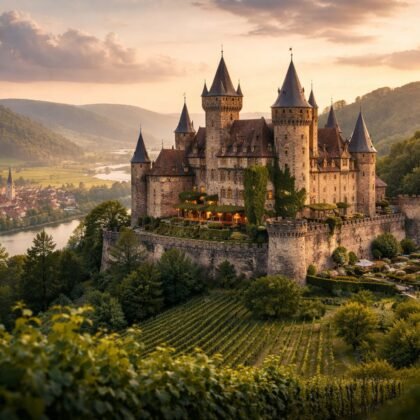
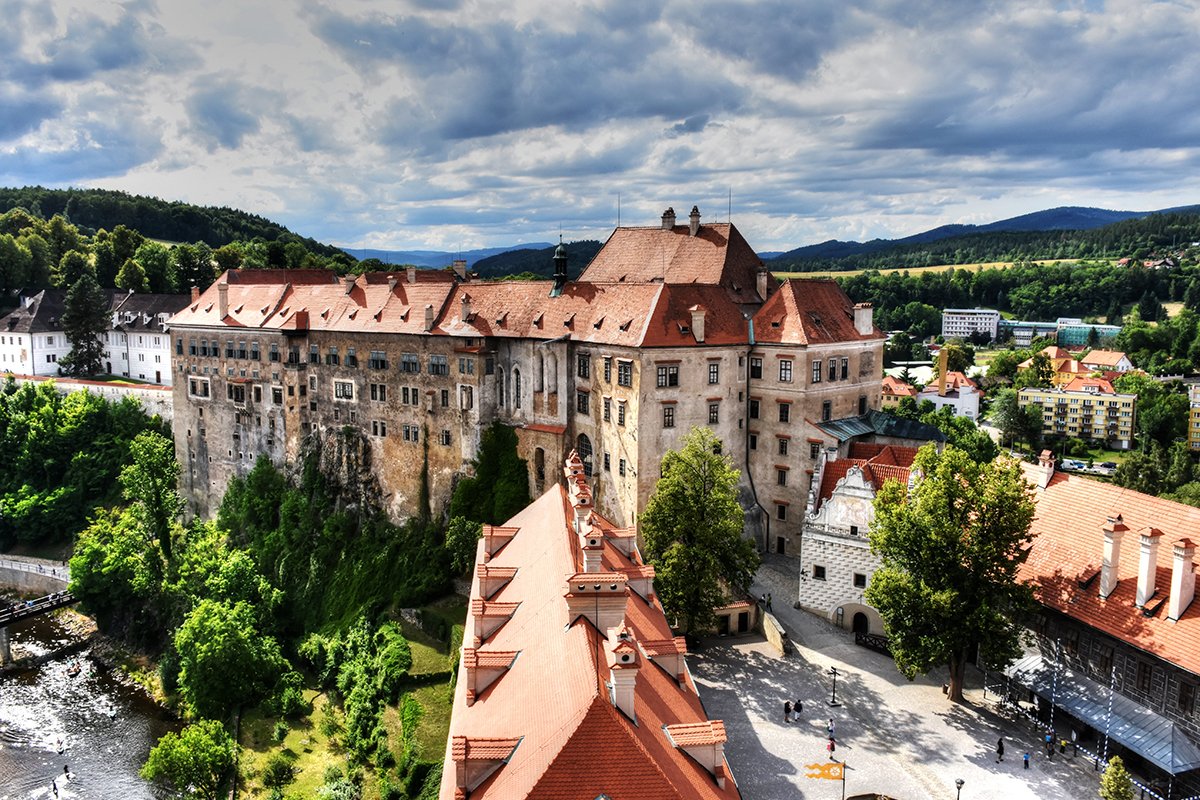
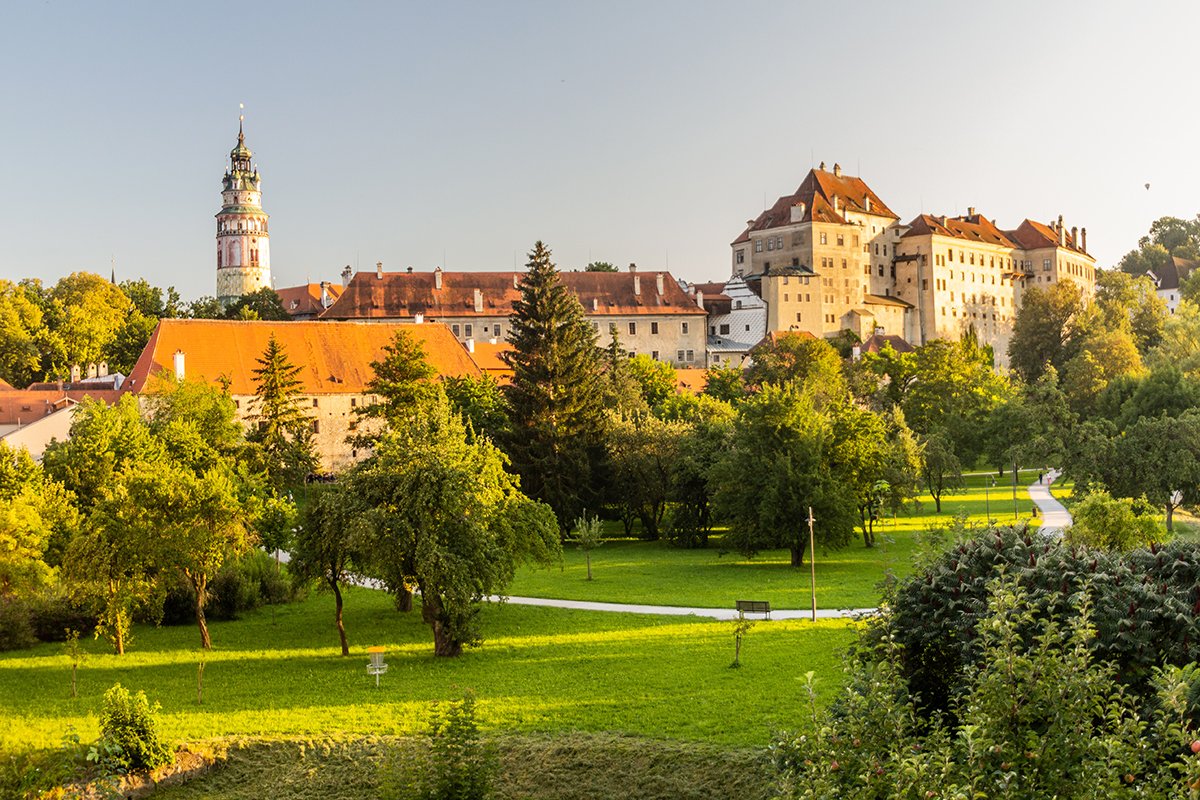
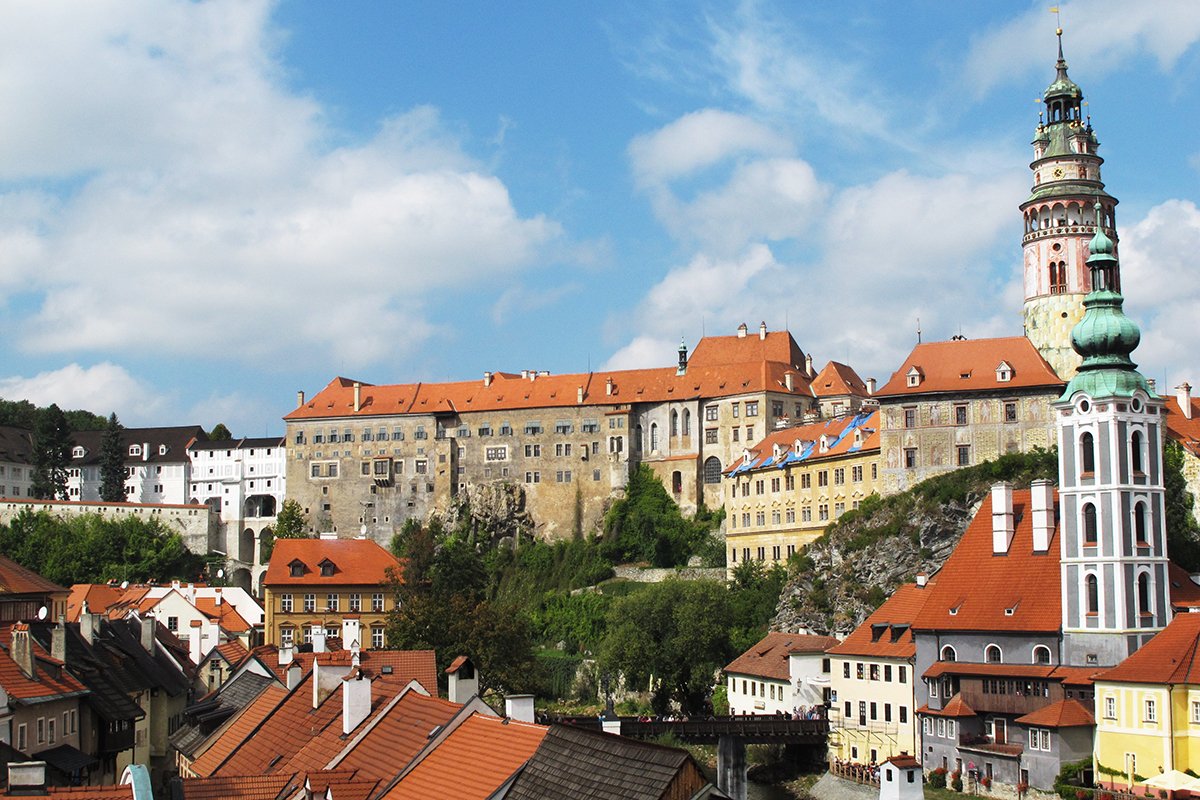
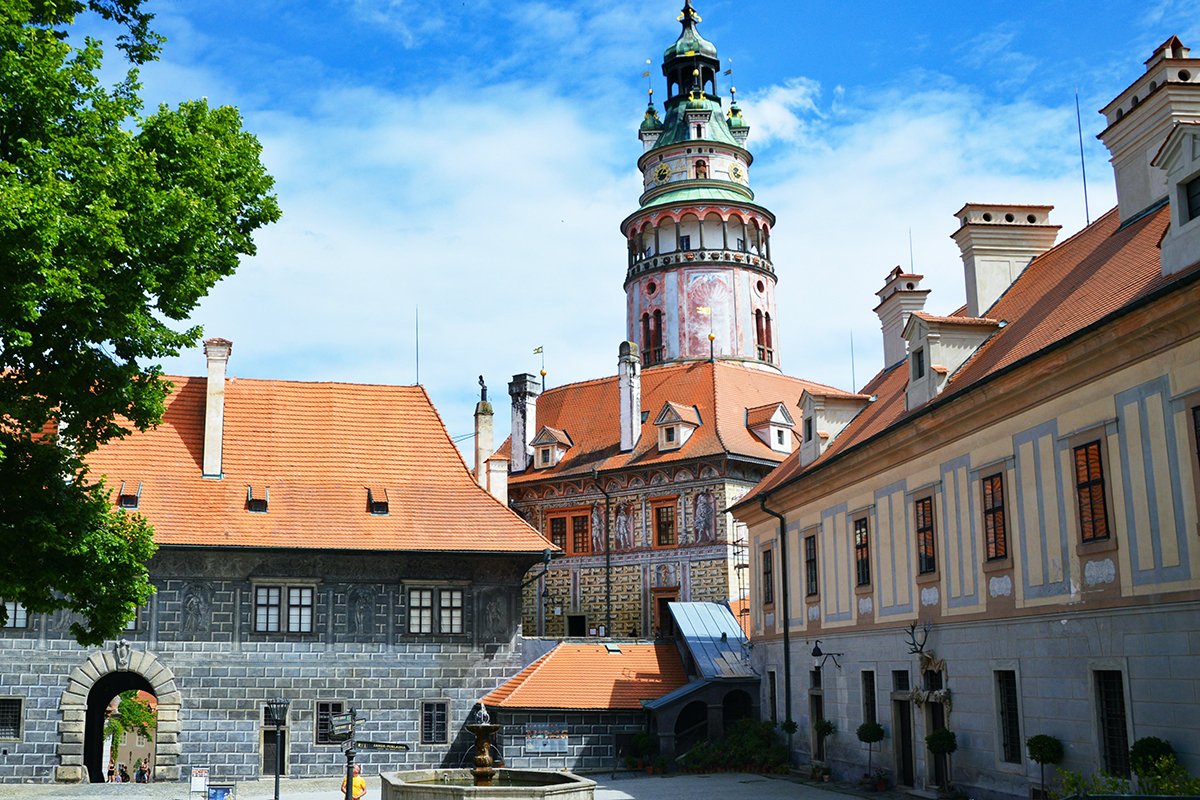
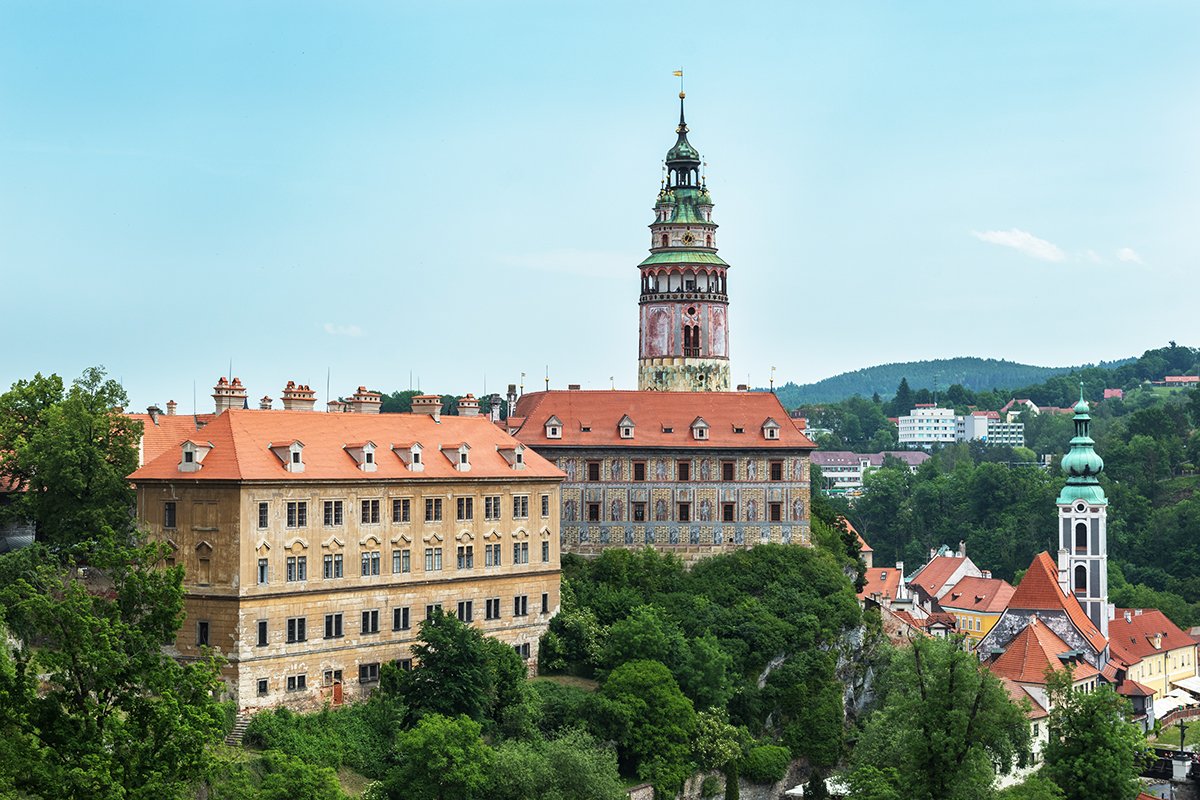
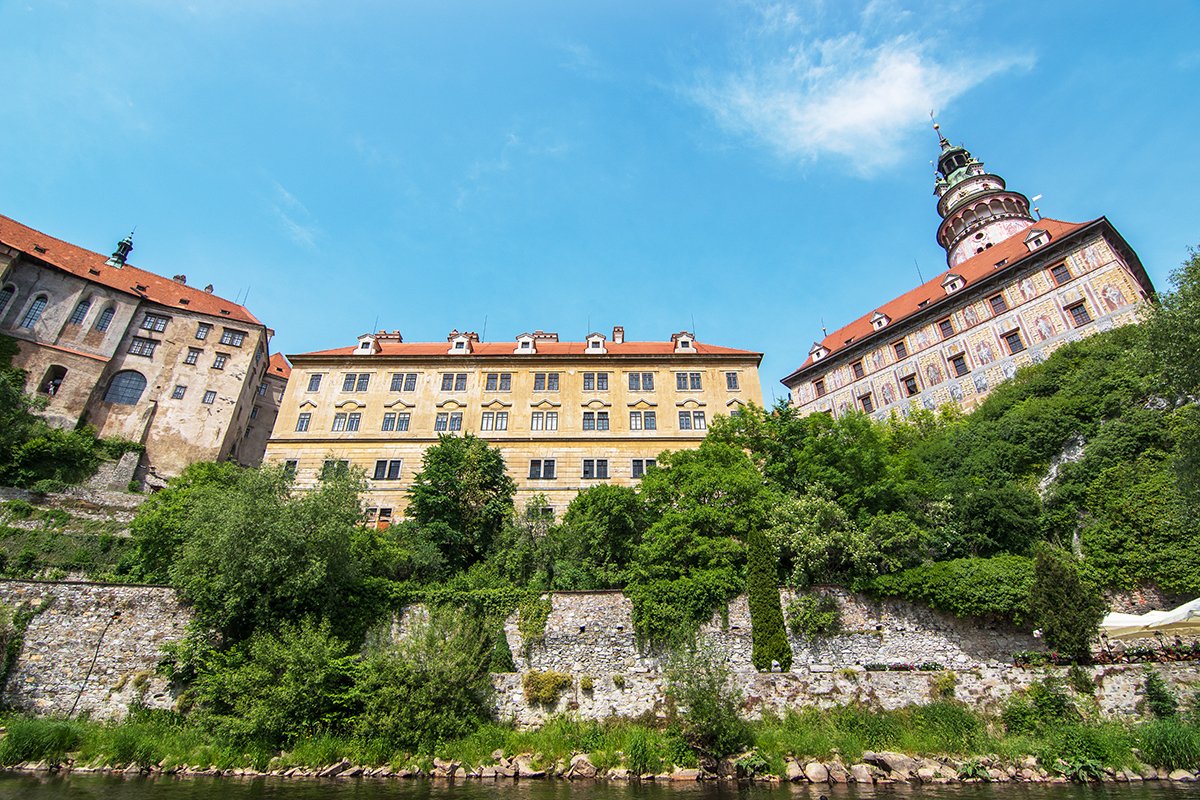
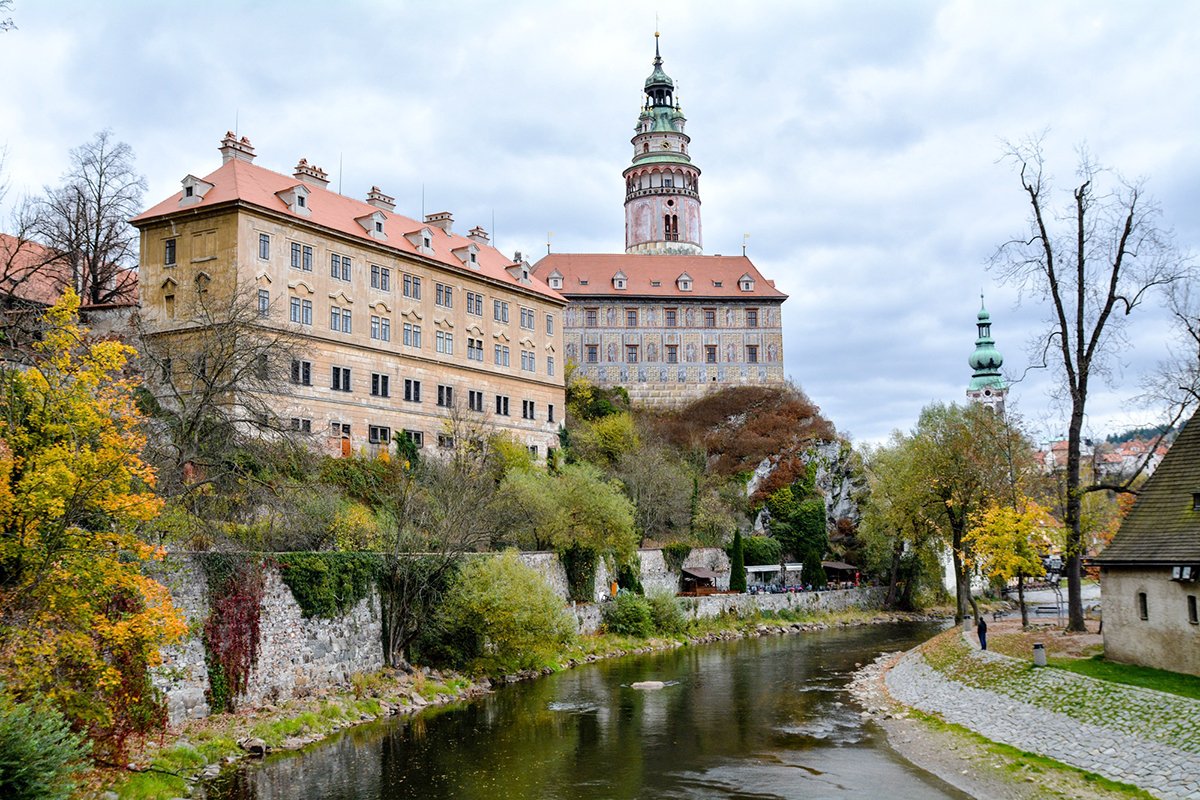
Rising above a tight bend in the Vltava, Český Krumlov Castle feels less like a single building and more like a small, aristocratic town stacked on a rocky ridge. Five courtyards lead you through centuries—Gothic foundations, Renaissance polish, and Baroque flourish—until the gardens open up in grand style. It’s the kind of place where a skyline-defining tower and a theatrical bridge steal the show.
Quick Facts
📍 Location: Český Krumlov, South Bohemia (Jihočeský kraj), Czech Republic
🏗️ Construction Period: Before 1250–18th century (major phases across 14th–19th centuries)
🏰 Architectural Style: Gothic, Late Gothic, Renaissance, Baroque (with Rococo garden elements)
🎭 Famous For: A largely intact multi-era aristocratic complex; the skyline tower and Hrádek; the multi-storey Cloak Bridge; one of the world’s best-preserved Baroque theatres; expansive stepped gardens with the Cascade Fountain; the historic bear moat tradition
👑 Notable Figures: Lords of Krumlov (Vítkovci/Witigonen); the Rosenberg family (notably Wilhelm of Rosenberg and Peter Vok); Emperor Rudolf II; the Eggenbergs (Johann Christian I von Eggenberg); the Schwarzenbergs
🏆 UNESCO Status: Yes — 1992, Historic Centre of Český Krumlov (including the castle complex)
🌐 Official Website: https://www.zamek-ceskykrumlov.cz/en
Map
Historical Context
Český Krumlov Castle began as a Gothic stronghold founded before 1250 by the Lords of Krumlov, a branch of the influential Vítkovci family, and it appears in written records by 1253. Its defining era arrived in 1302, when the Rosenbergs took control and shaped the residence into one of Bohemia’s great noble seats. In the later 16th century, Wilhelm of Rosenberg pushed a sweeping Renaissance transformation, turning the complex into a cultural and political stage. A dramatic shift followed in 1602, when Peter Vok sold the domain to Emperor Rudolf II. Under the Eggenbergs—and later the Schwarzenbergs—the castle gained its Baroque character, including the celebrated theatre and the monumental Cloak Bridge. By the 18th–19th centuries it faded as a permanent residence, yet its remarkable integrity helped secure national protection and UNESCO recognition.
Visual Tour
Visiting Information
🗓️ Best Time to Visit: April, May, late September, and October
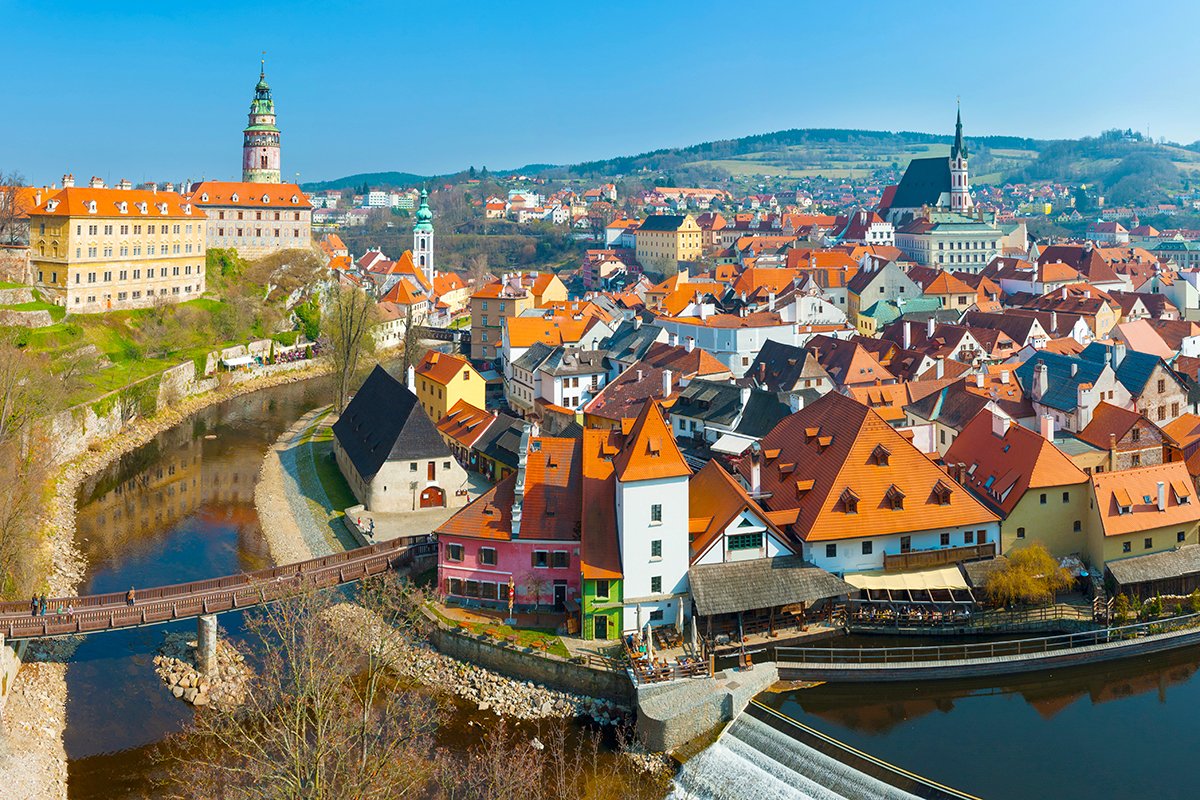
🗺️ Location Perks: You’re perched above one of the Czech Republic’s prettiest river loops, with postcard views at nearly every turn. Don’t miss a wander through the UNESCO-listed old town below the castle and the viewpoints along the Vltava’s curve.
⏳ Estimated Visit Duration: Plan to spend 3–5 hours exploring the castle and its grounds.
💡 Visiting tips: Wear grippy shoes—cobblestones, slopes, and plenty of stairs come with the territory. Book ahead for the Baroque Theatre tours, and aim for early morning or later afternoon if you want quieter courtyards and better light from the tower.
Related Articles
Search