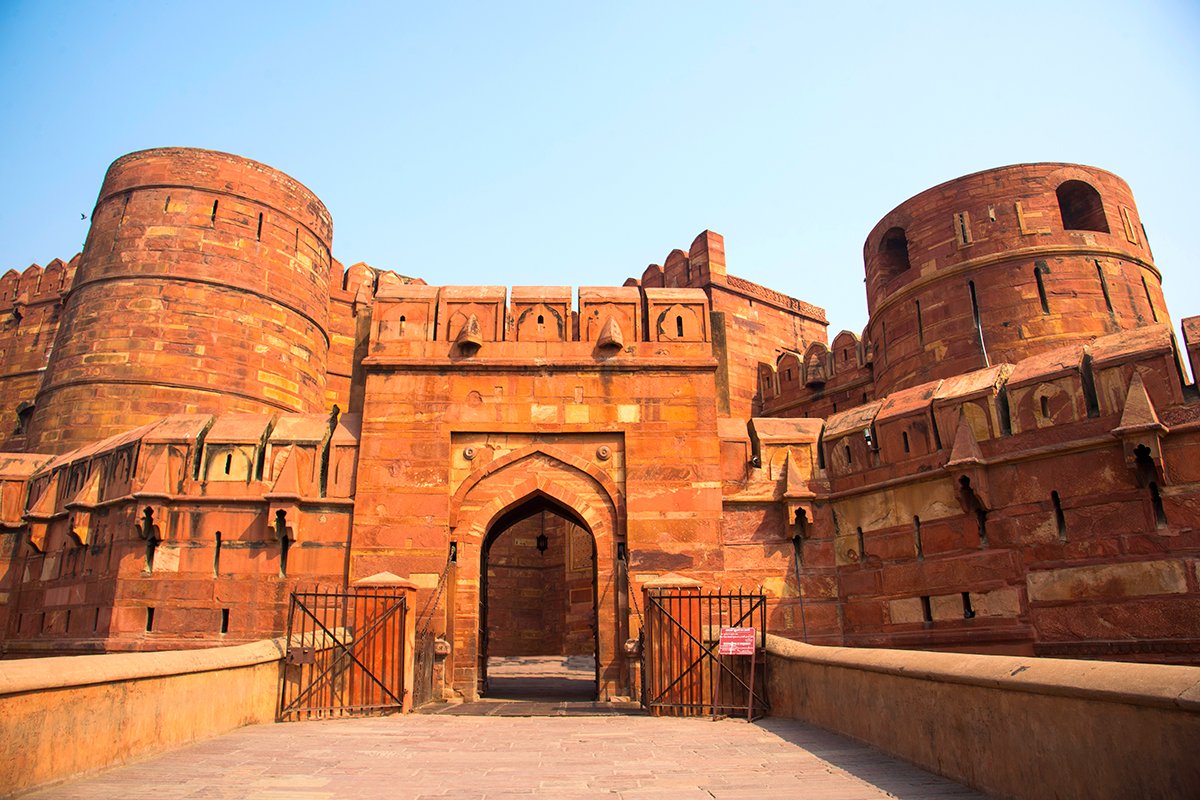
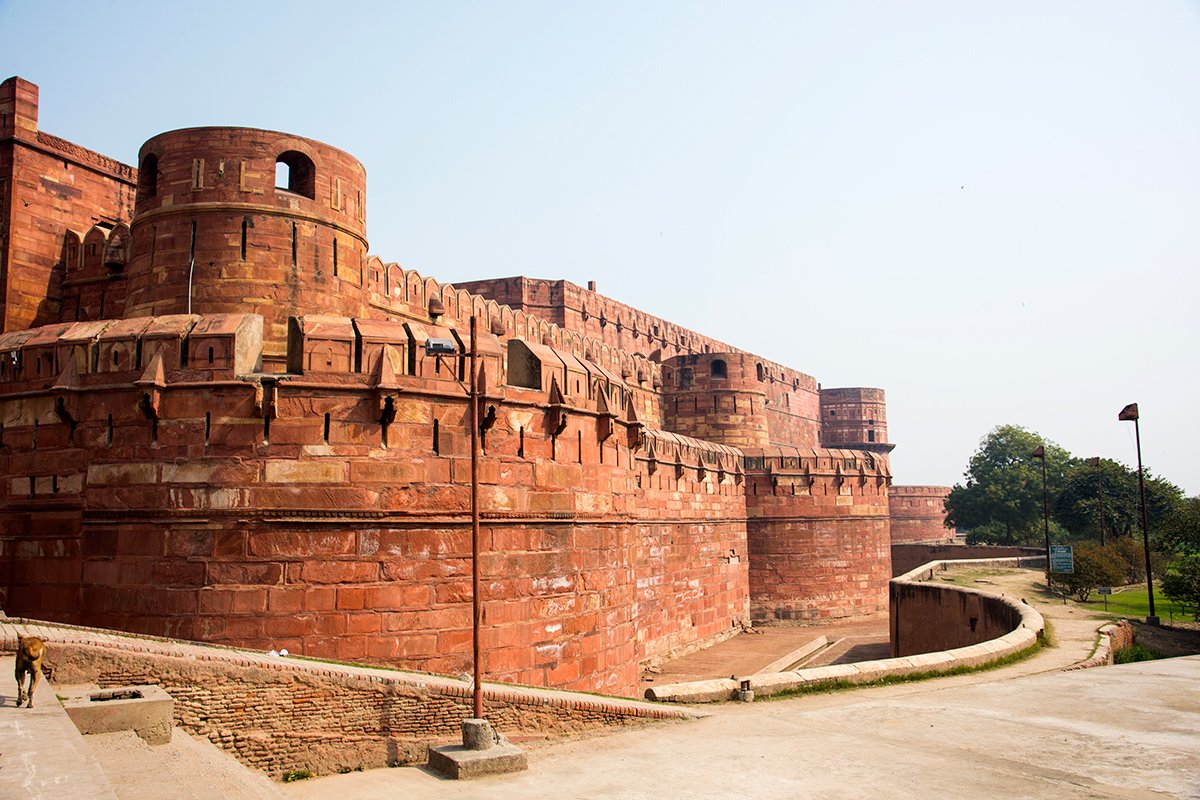
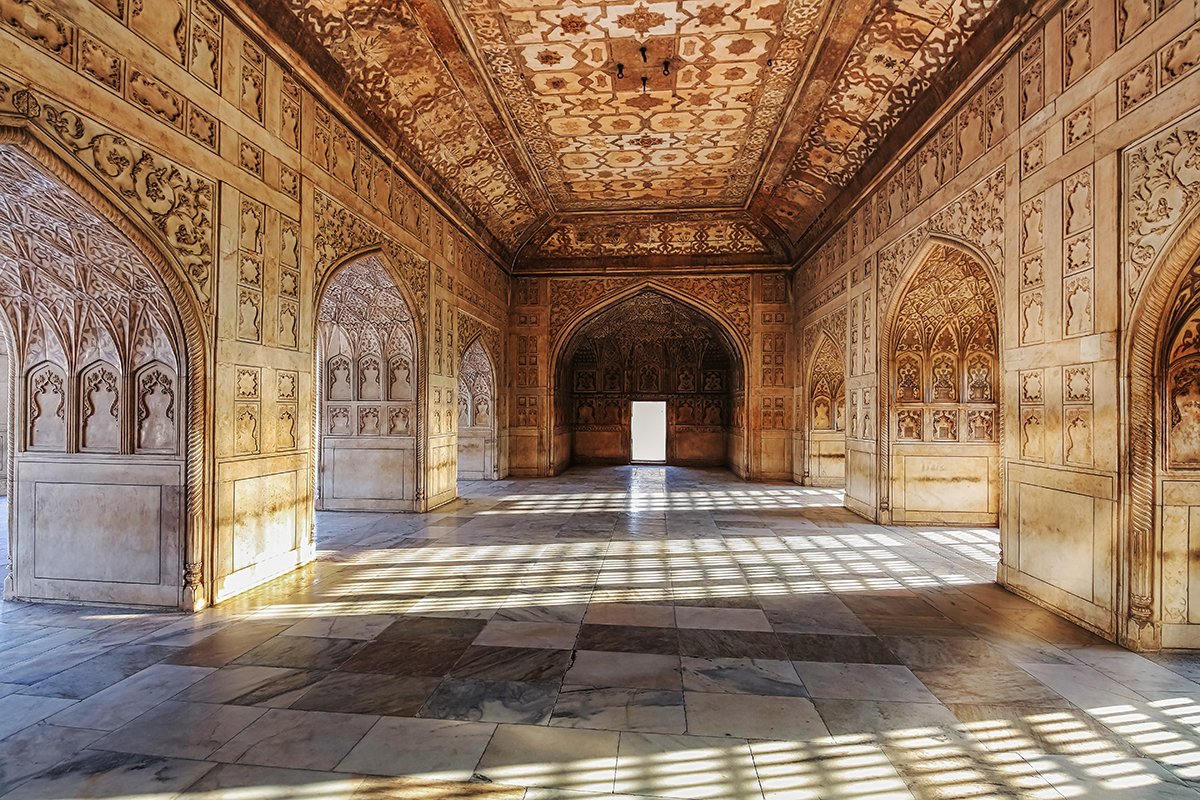
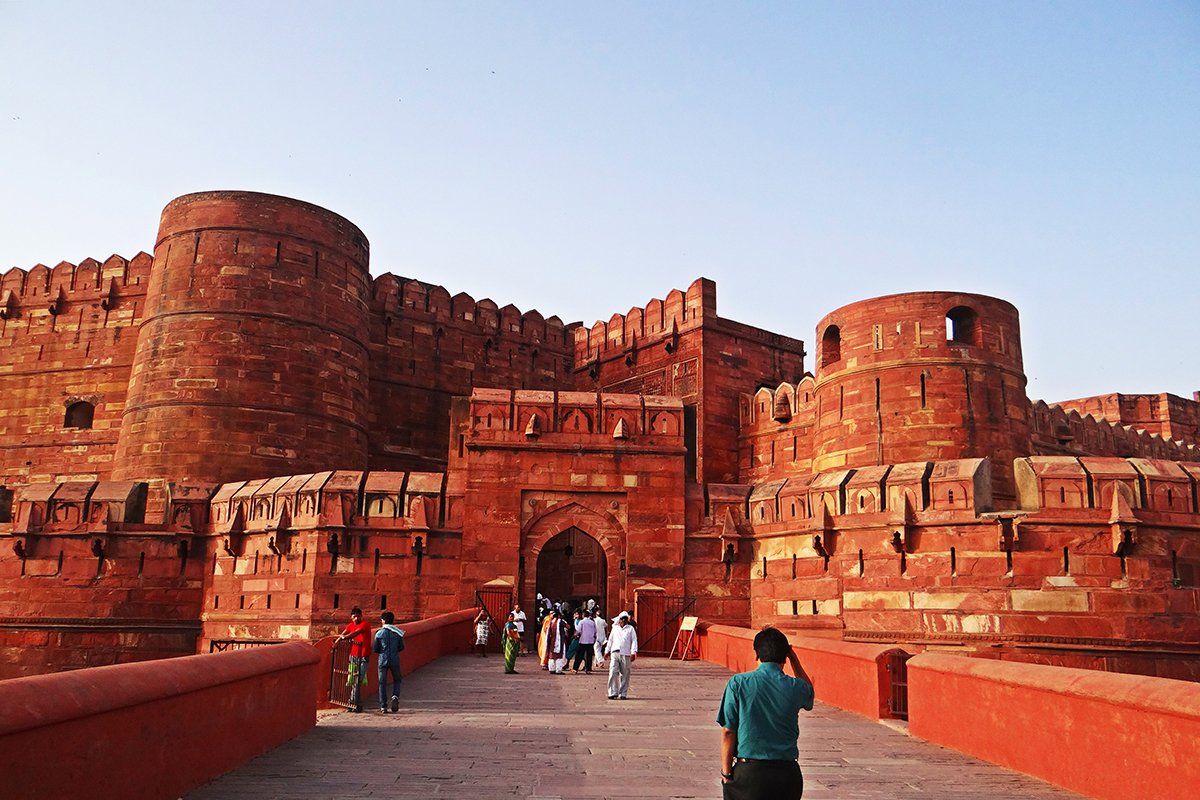
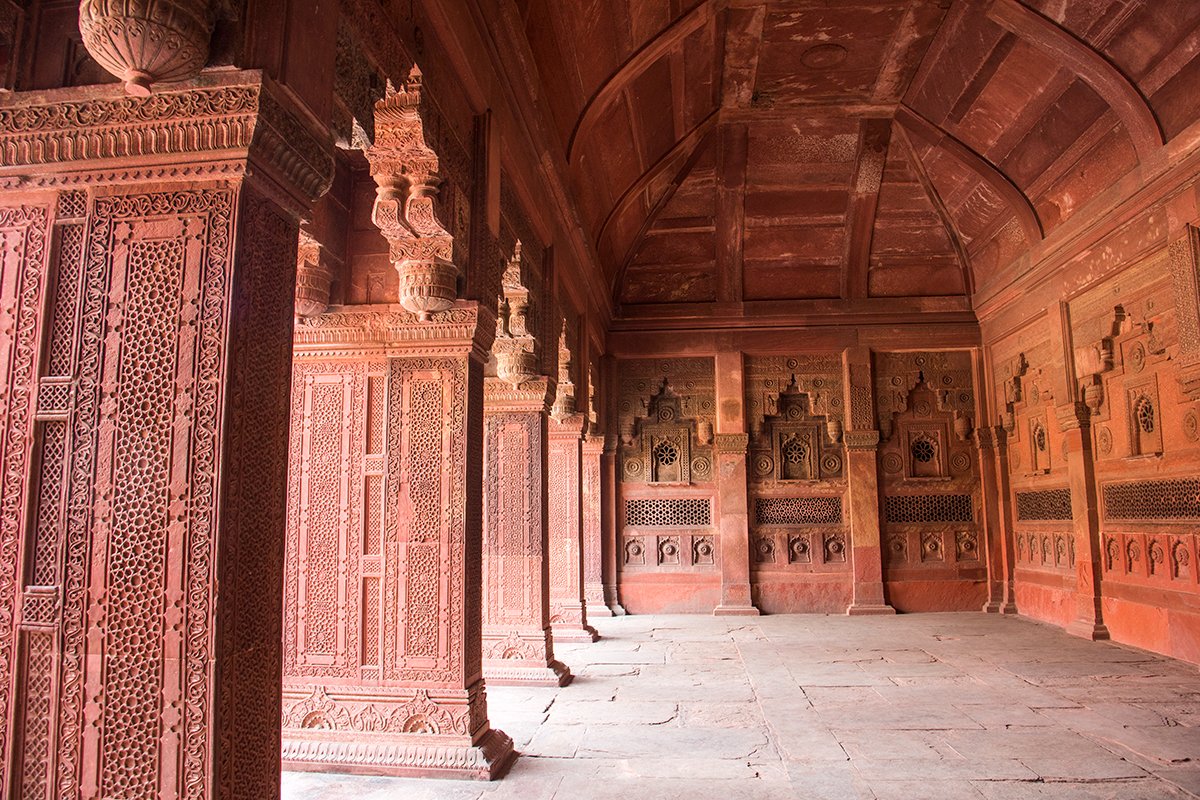
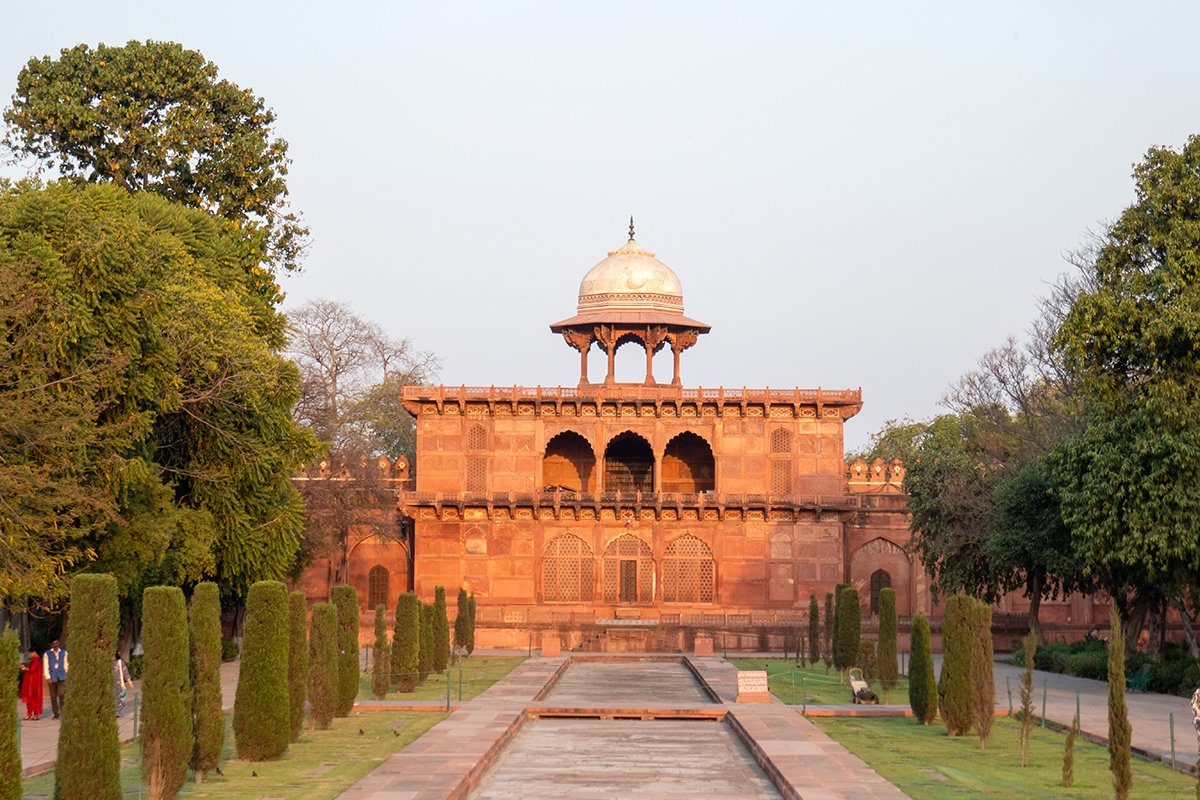
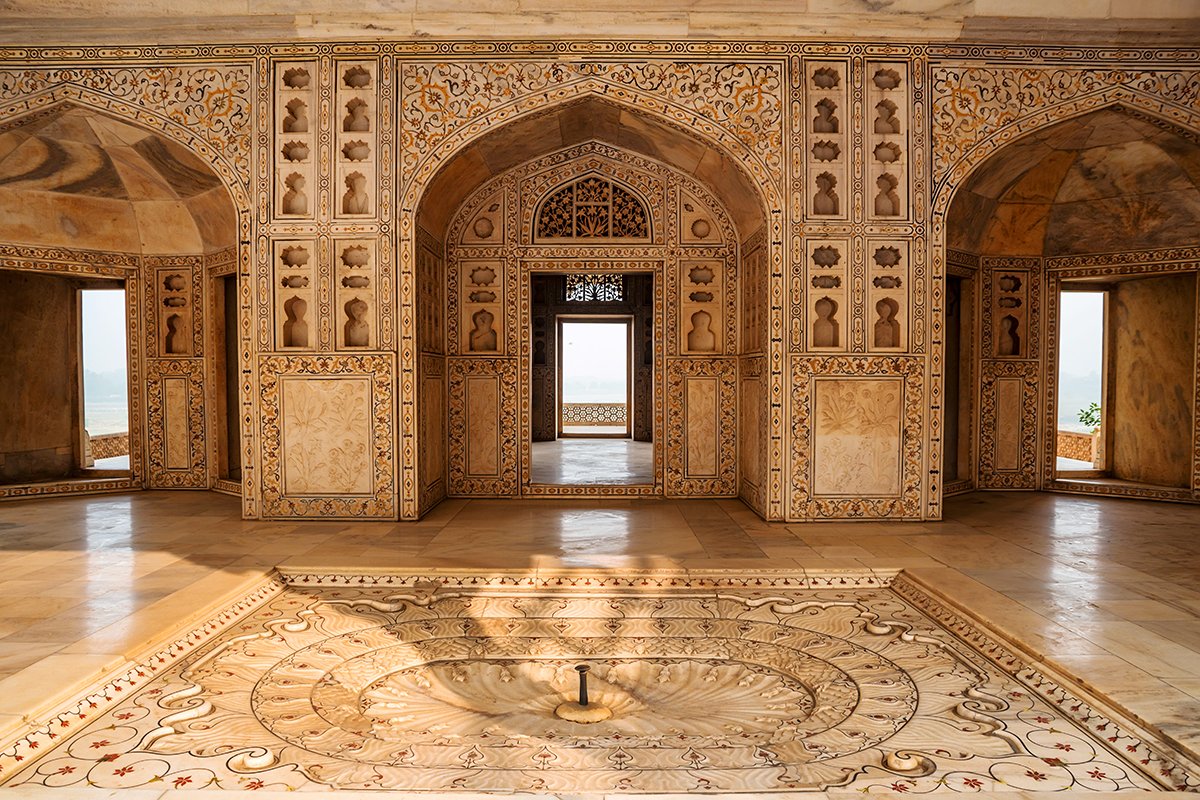
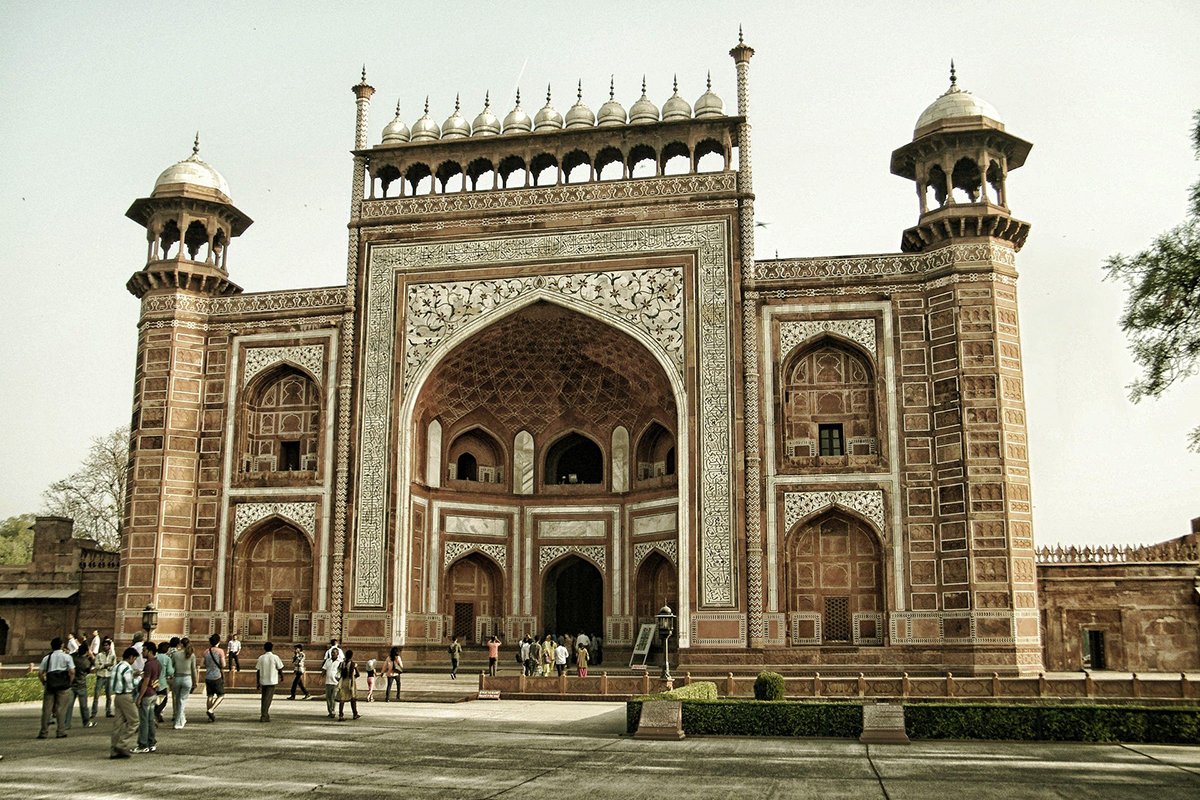
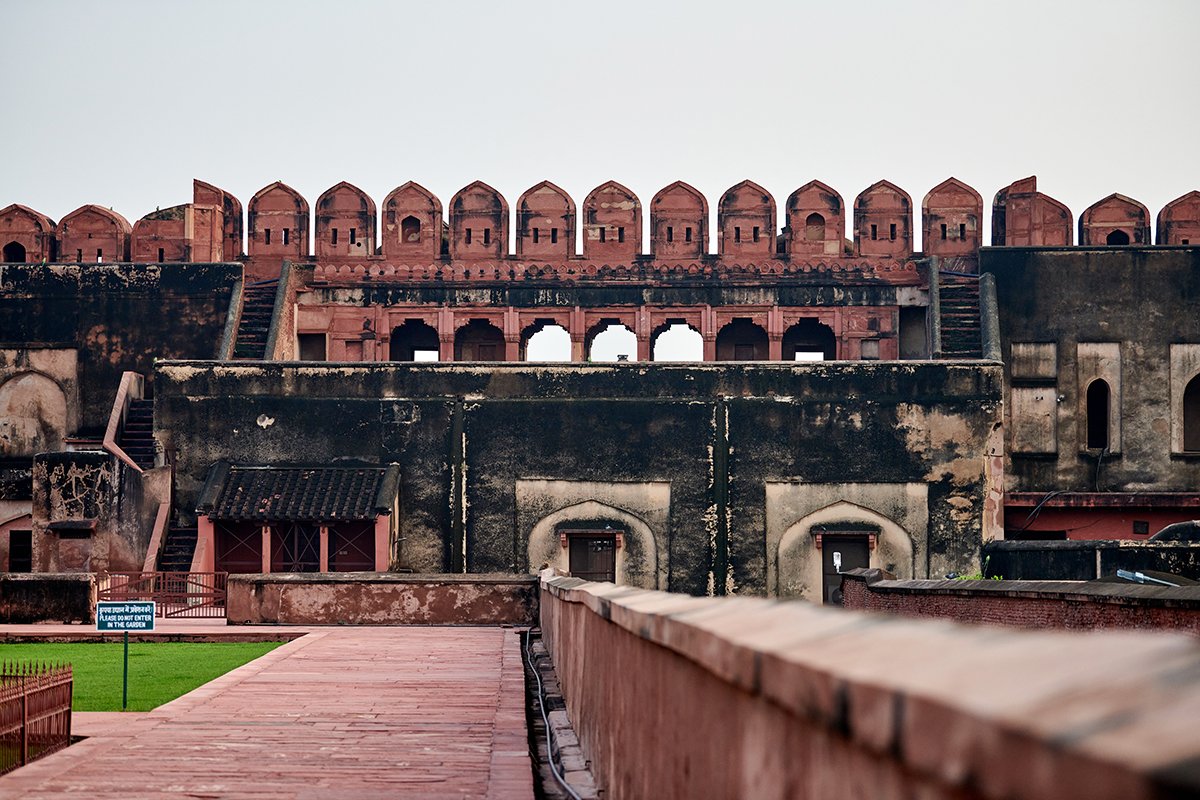
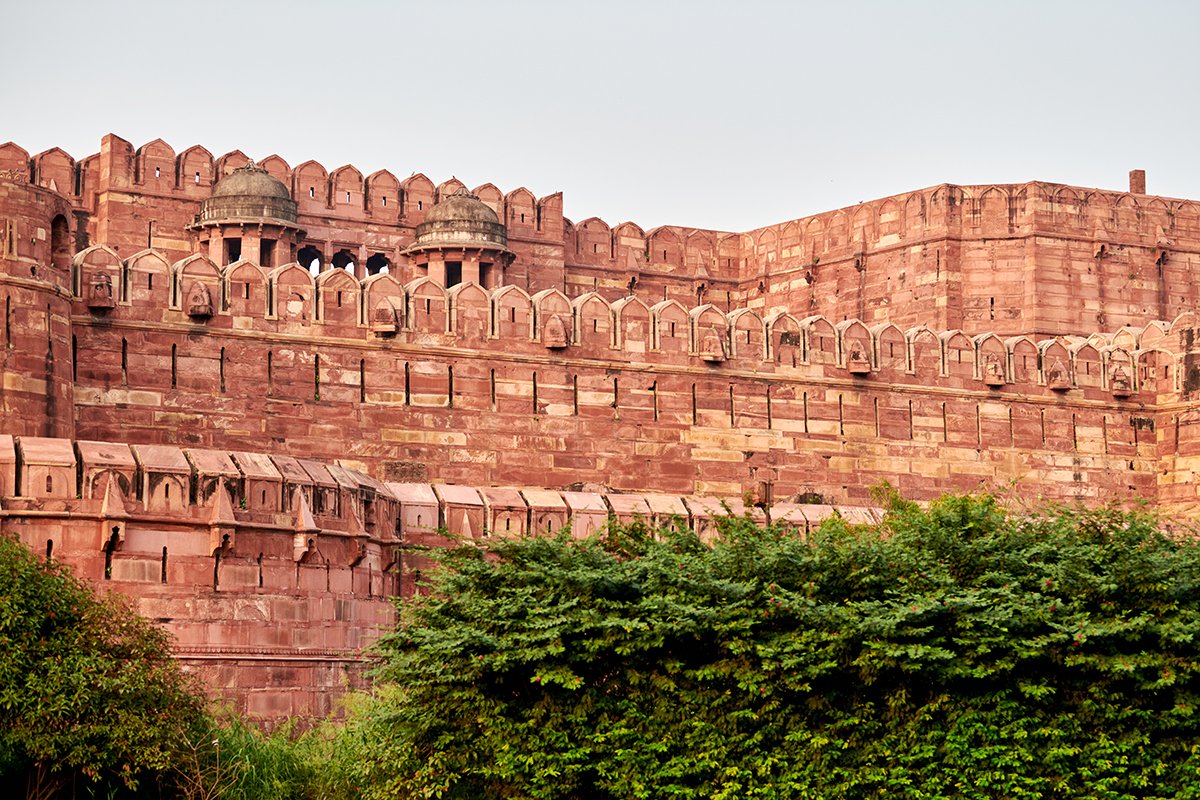
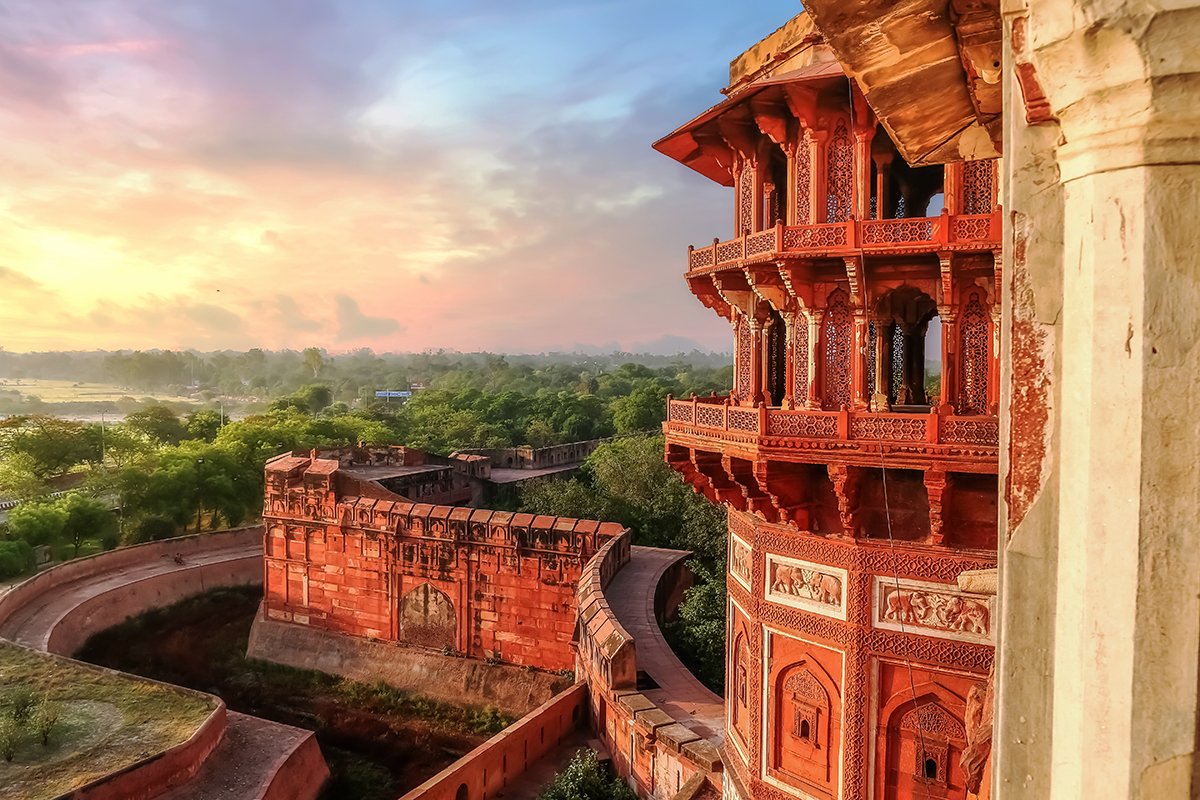
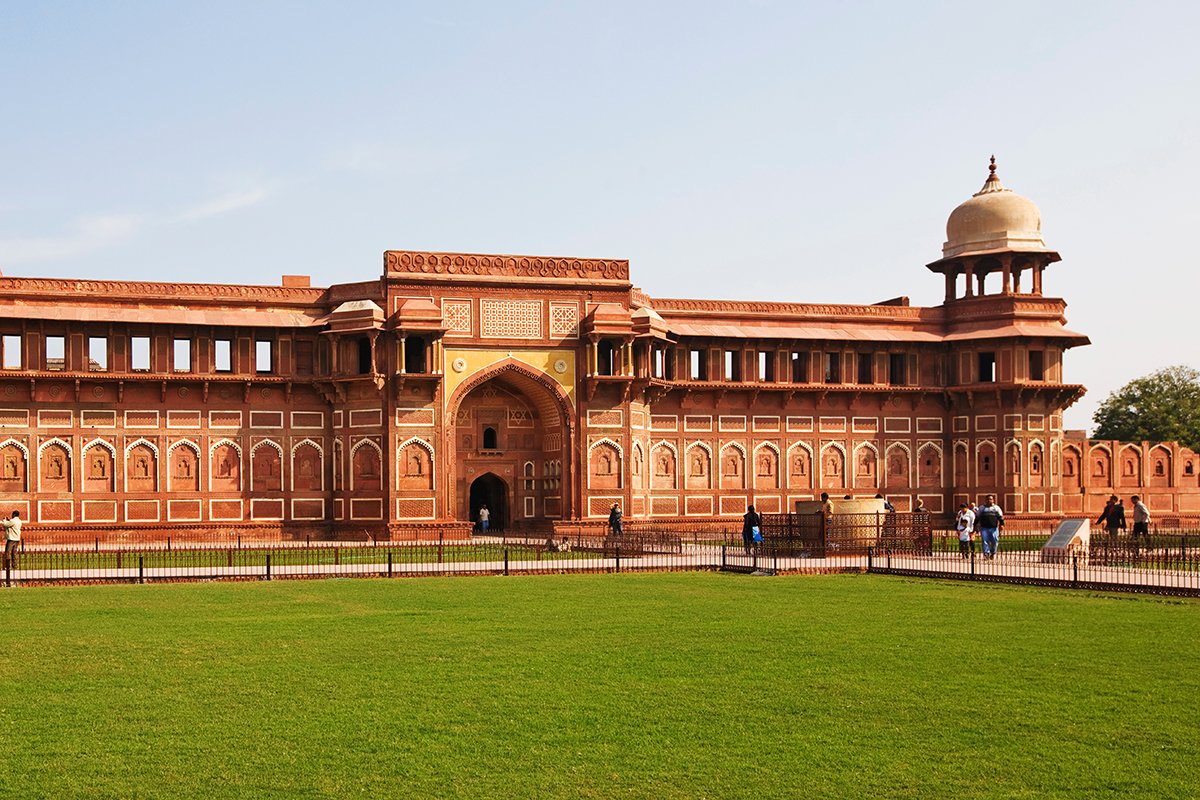
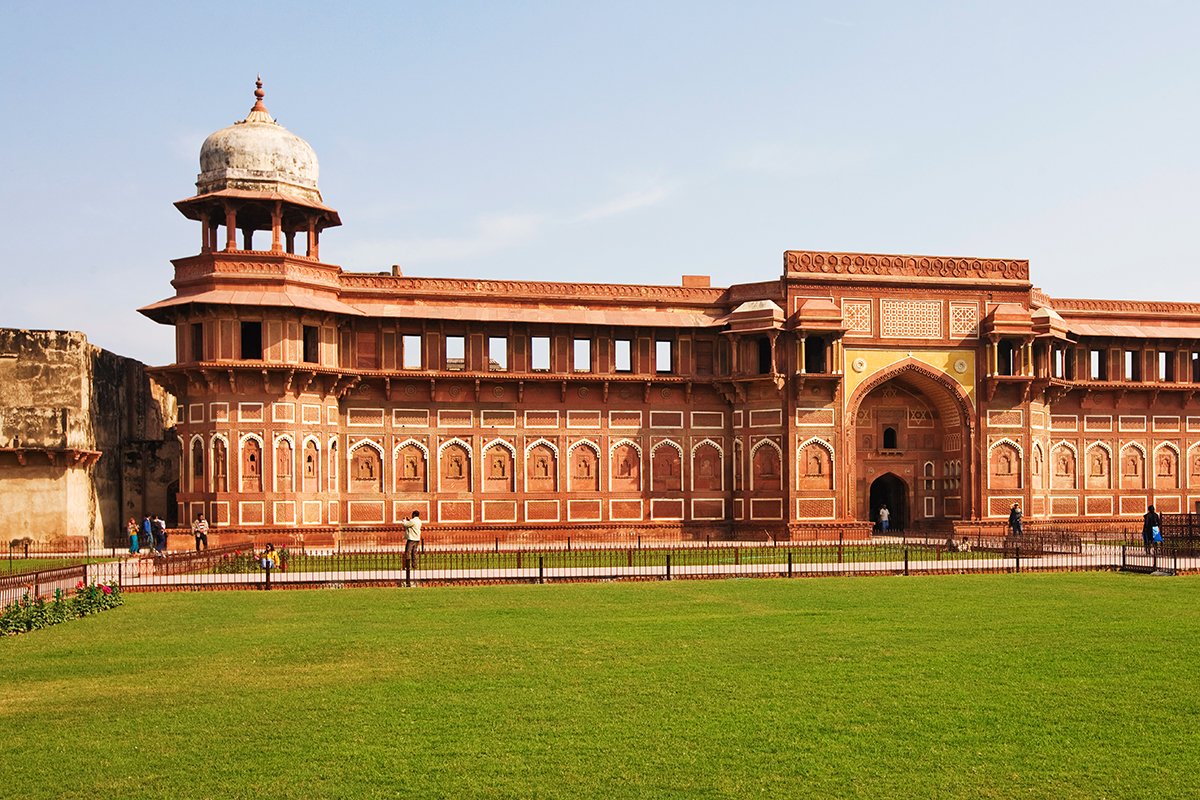
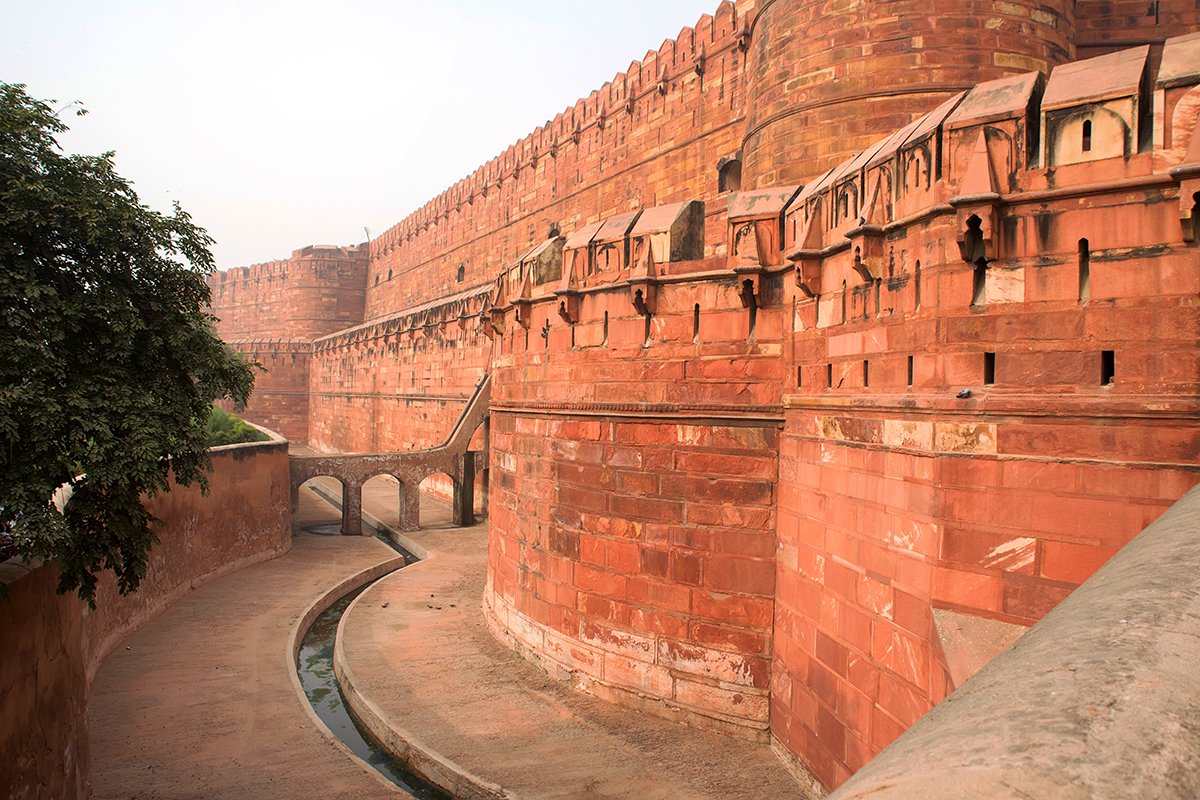
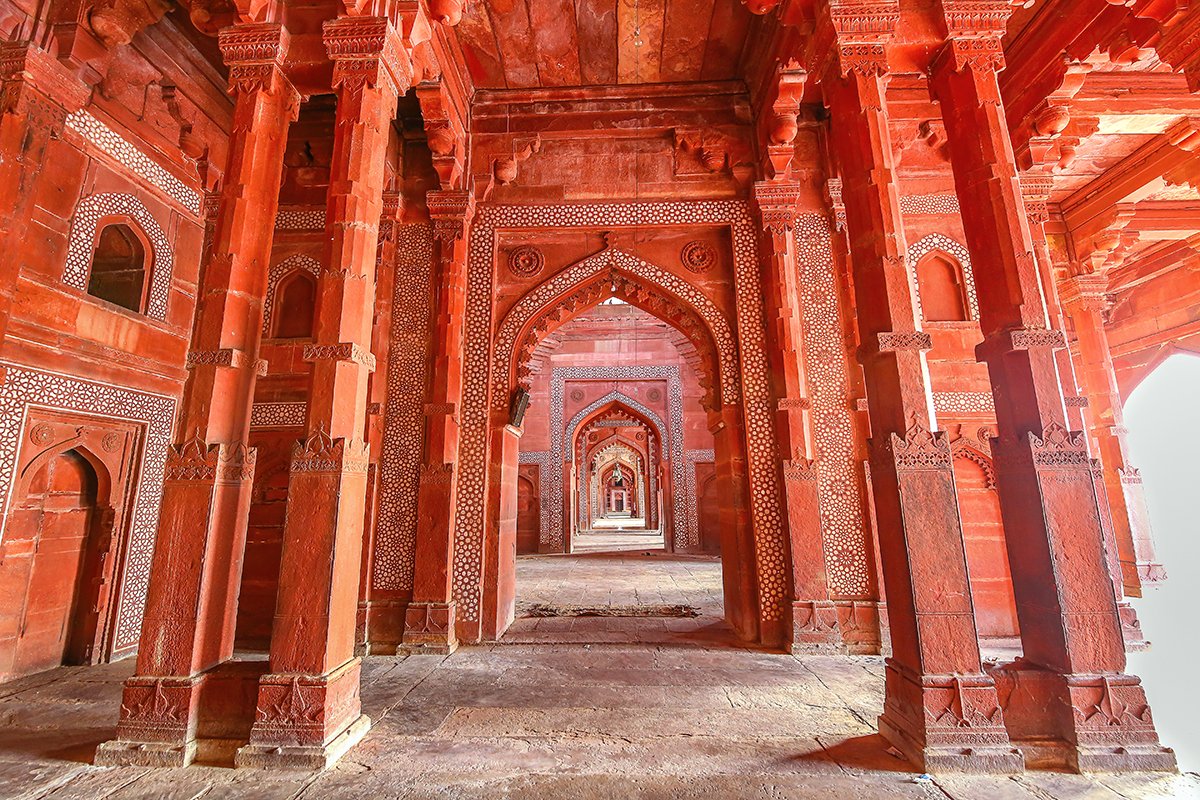
Rising above the Yamuna on stout red-sandstone ramparts, Agra Fort feels less like a single monument and more like a living chapter of Mughal India. Inside its formidable walls, marble pavilions, audience halls, and palace courtyards reveal how emperors ruled, celebrated, and plotted. Come for the architecture, stay for the stories—especially the river-facing views that still frame the Taj Mahal like a scene set for royalty.
Quick Facts
📍 Location: Agra, Uttar Pradesh, India
🏗️ Construction Period: 1565-1573 (major rebuilding under Akbar; later Mughal additions into the 17th century)
🏰 Architectural Style: Mughal architecture (Akbar-era red sandstone grandeur transitioning to Shah Jahan’s white marble refinement; Persian-Timurid influences blended with regional Indian styles)
🎭 Famous For: UNESCO-listed Mughal citadel; 2.5 km red-sandstone ramparts; imperial audience halls (Diwan-i-Am/Diwan-i-Khas); Shah Jahan’s imprisonment linked to Musamman Burj; views of the Taj Mahal; pivotal episodes from Babur’s post-Panipat consolidation to the 1857 Rebellion
👑 Notable Figures: Akbar (principal builder), Jahangir, Shah Jahan, Aurangzeb, Babur, Humayun, Ibrahim Lodi, Sher Shah Suri
🏆 UNESCO Status: Yes — 1983, UNESCO World Heritage Site (Agra Fort)
🌐 Official Website: https://www.tajmahal.gov.in/agrafort.aspx
Map
Historical Context
Agra Fort stands on layers of power. An earlier fort associated with the Lodis gave way to Mughal control after Babur's victory at Panipat in 1526, when he took Agra and its famed treasures. Humayun was crowned here in 1530, before the site shifted hands again under Sher Shah Suri. The fort's defining transformation came under Akbar, who rebuilt it from 1565-1573 as a vast red-sandstone imperial citadel—both fortress and seat of government when Agra was the Mughal capital. Later emperors embellished the riverside with palaces and marble finesse, especially Shah Jahan. Legend and politics intertwine here: Aurangzeb deposed Shah Jahan, confining him in the fort with a lingering view of the Taj Mahal. In the 19th century, the British captured the fort (1803), used it as a garrison, and it became a key refuge during the 1857 uprising—one more turning point etched into its walls.
Visual Tour
Visiting Information
🗓️ Best Time to Visit: November, December, January, and February
🗺️ Location Perks: You’re in the heart of Agra—close enough to pair the fort with the Taj Mahal in the same day. The Yamuna-side terraces also deliver some of the city’s most memorable, postcard-clean viewpoints.
⏳ Estimated Visit Duration: Plan to spend 2-3 hours exploring the fort and its palace precincts.
💡 Visiting tips: Enter via Amar Singh Gate and start early to dodge crowds and heat; the river-facing structures are the payoff. Wear comfortable shoes for long stone pathways, and keep an ID handy—parts of the complex remain under Indian Army control.
Related Articles
Search