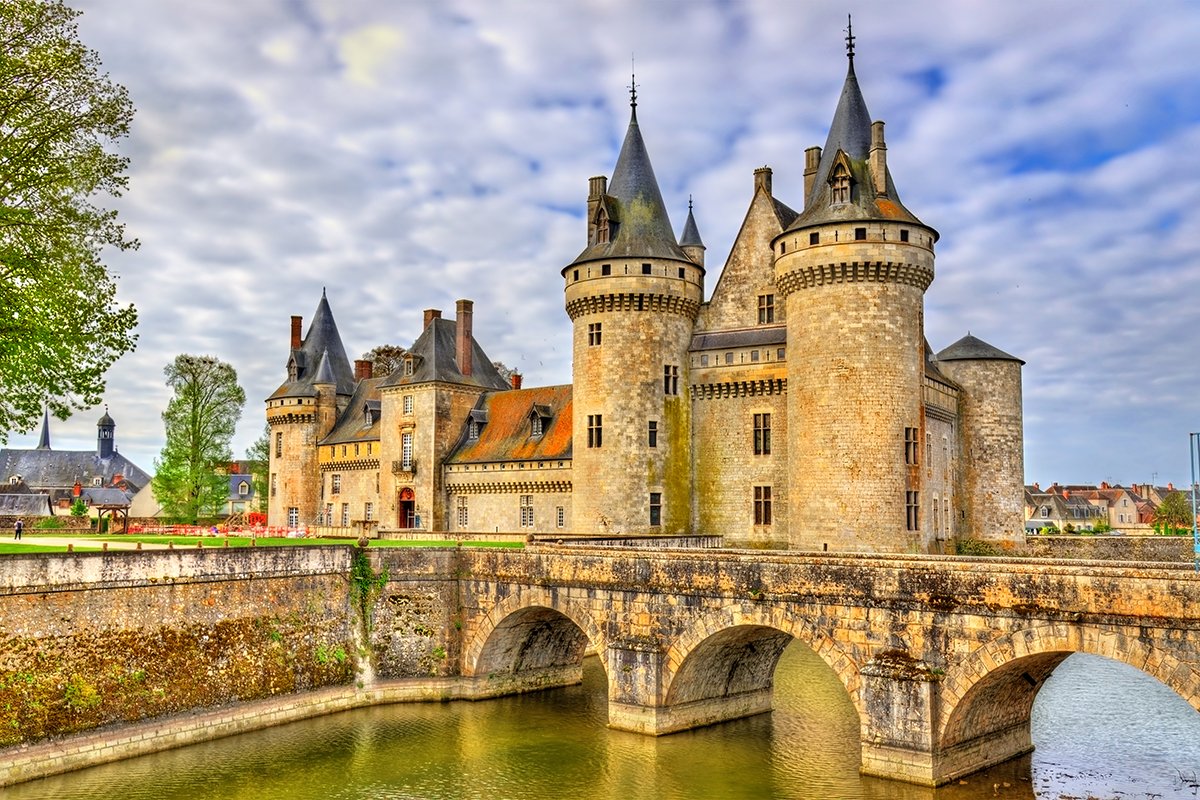
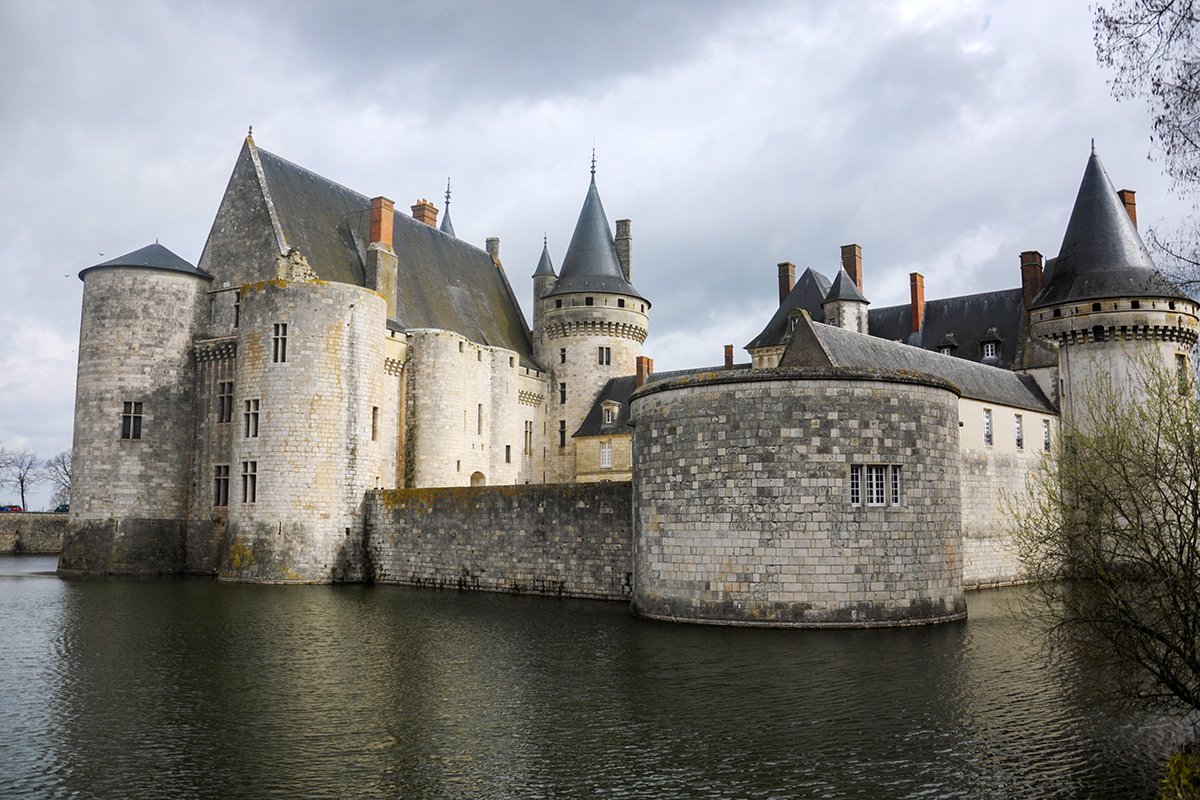
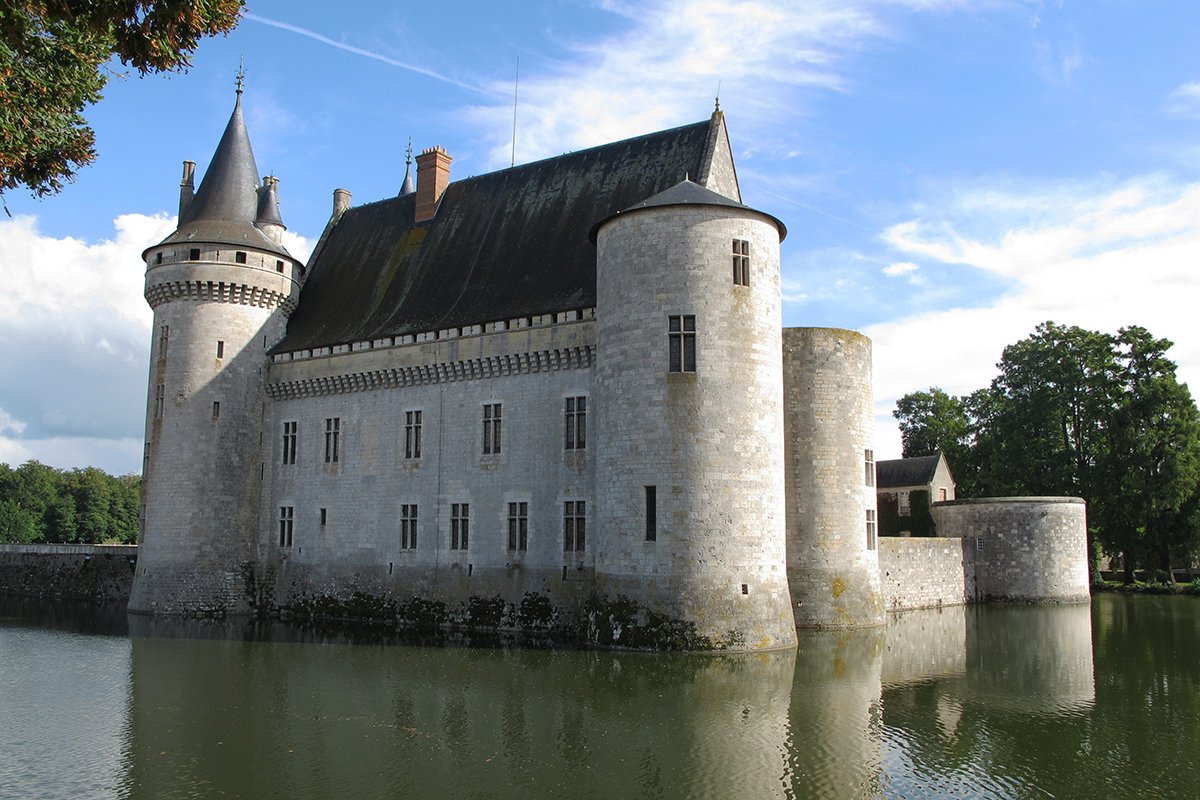
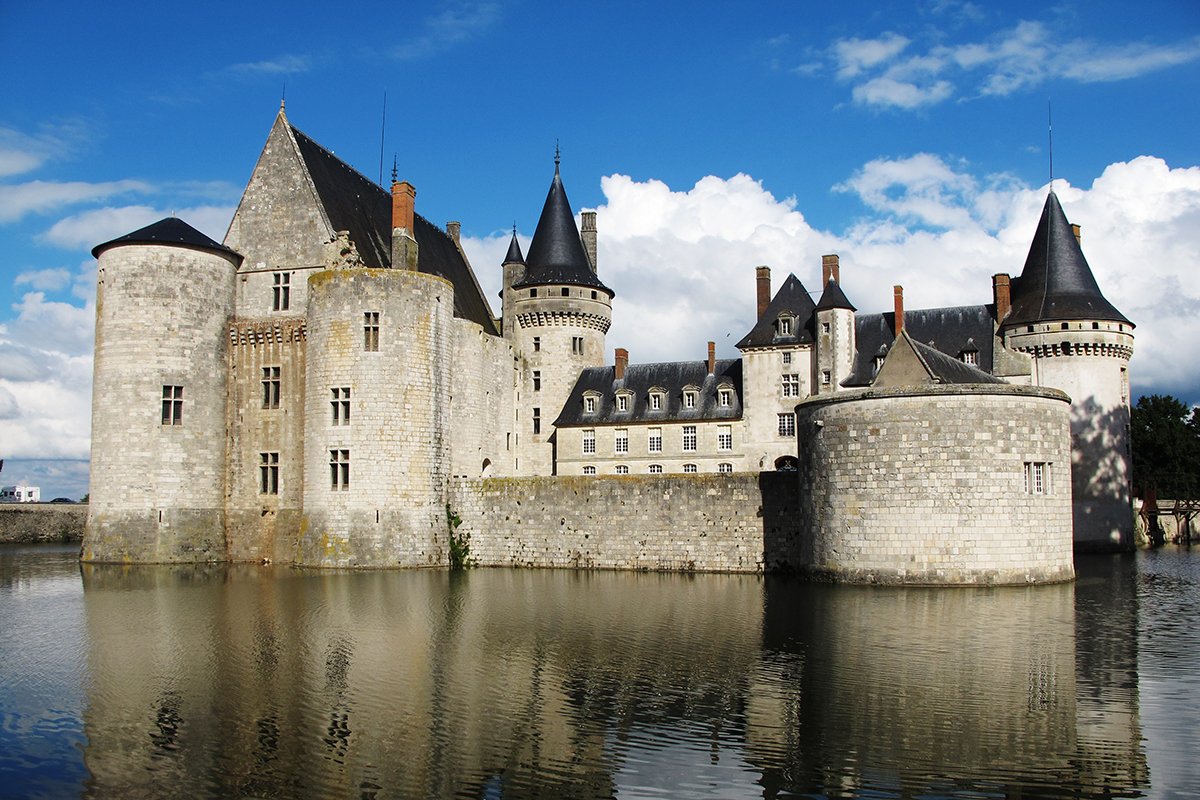
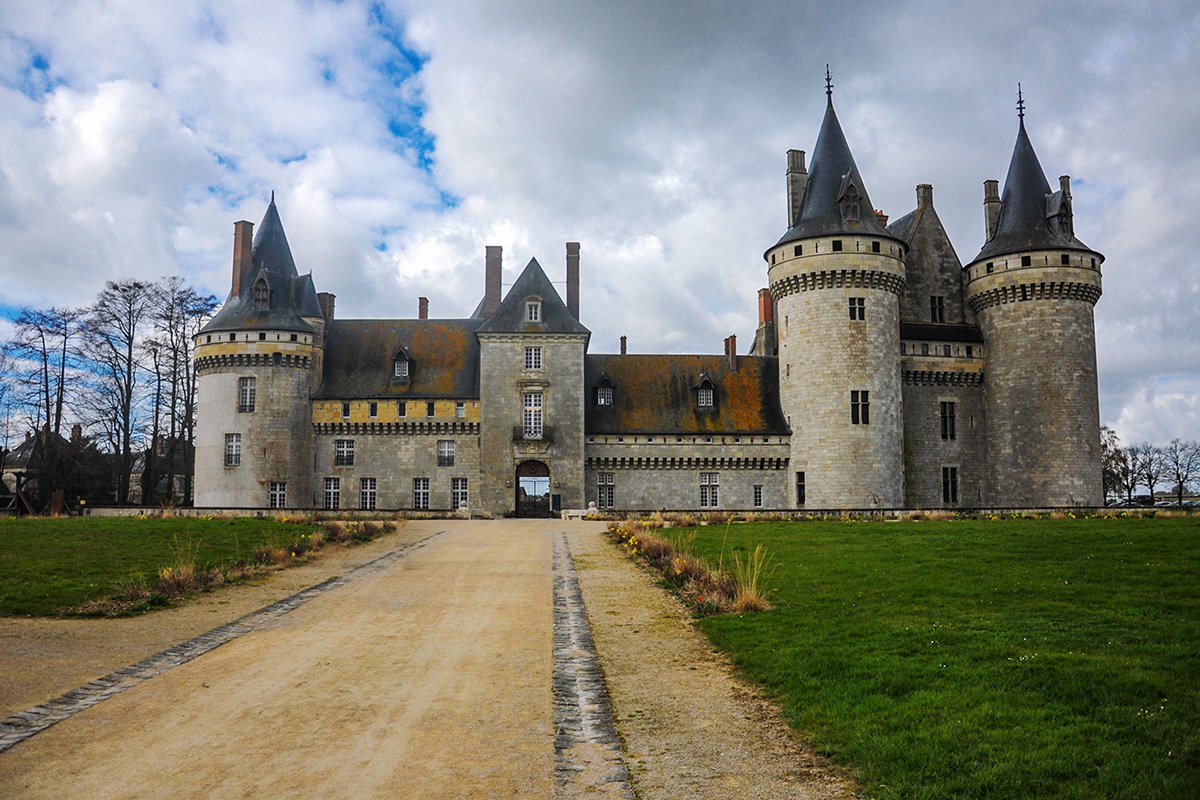
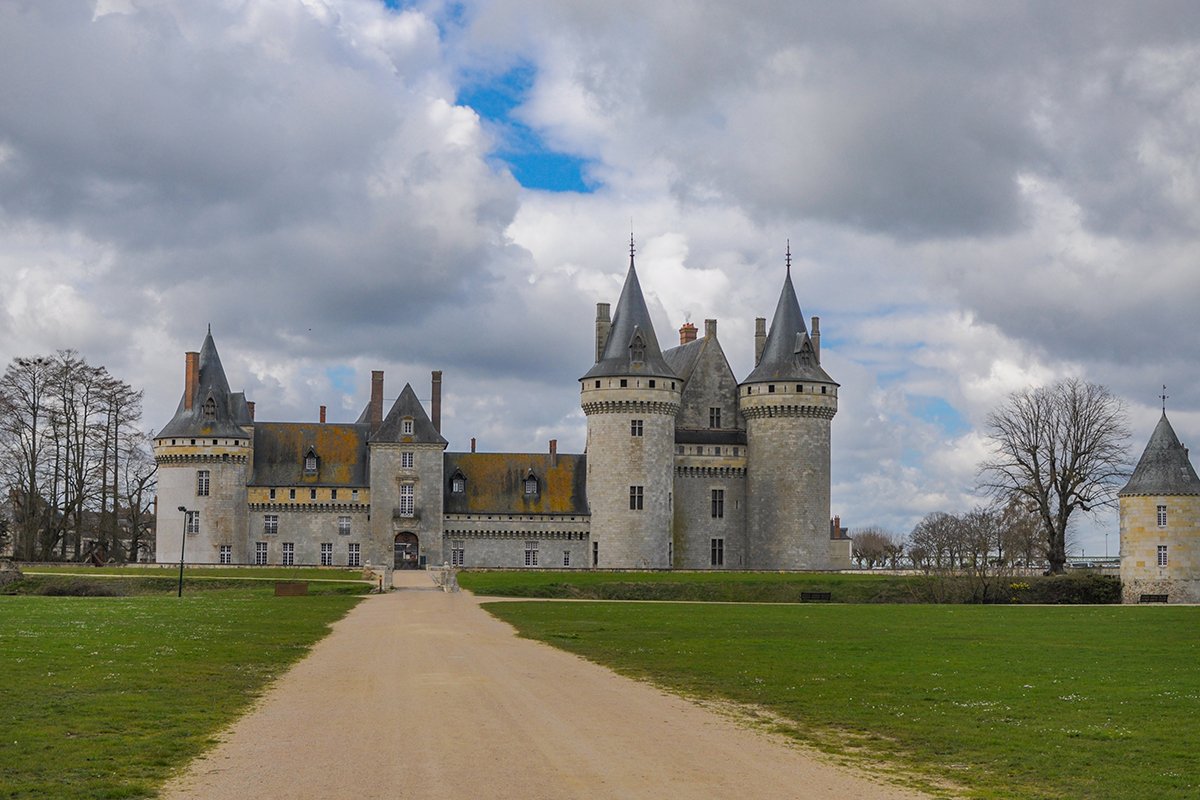
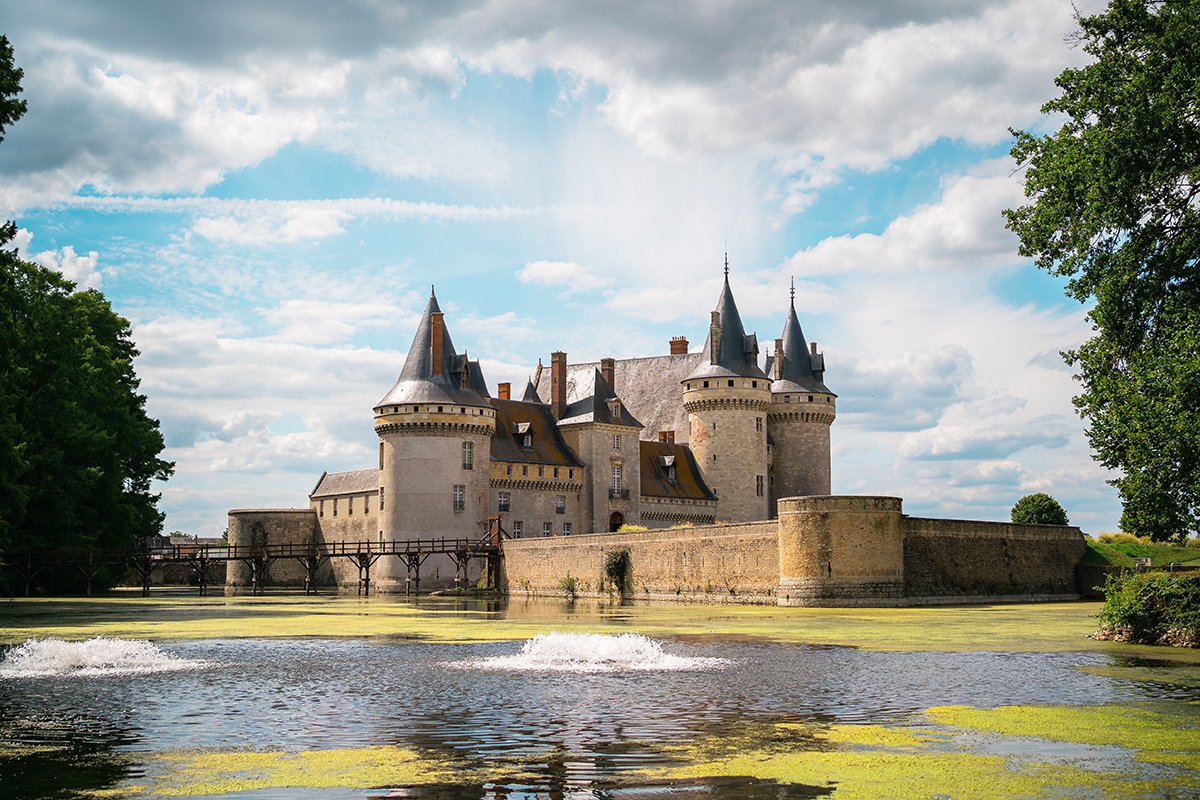
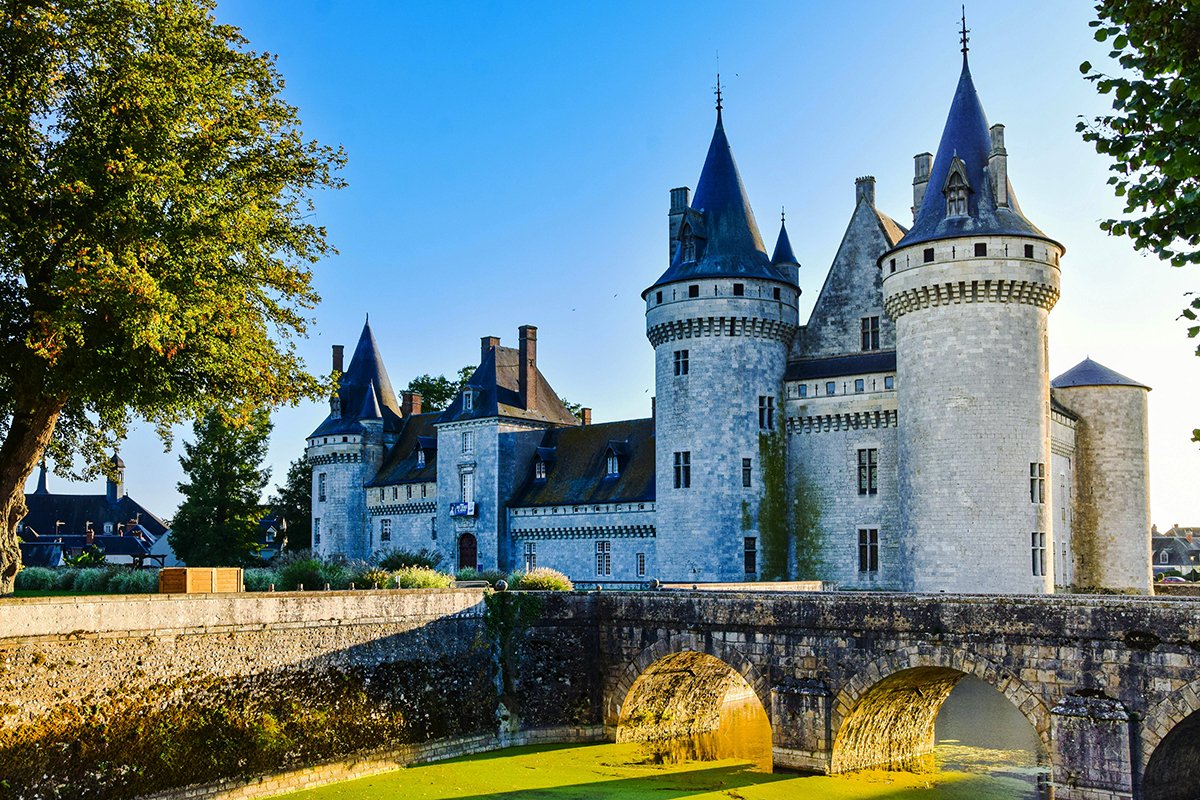
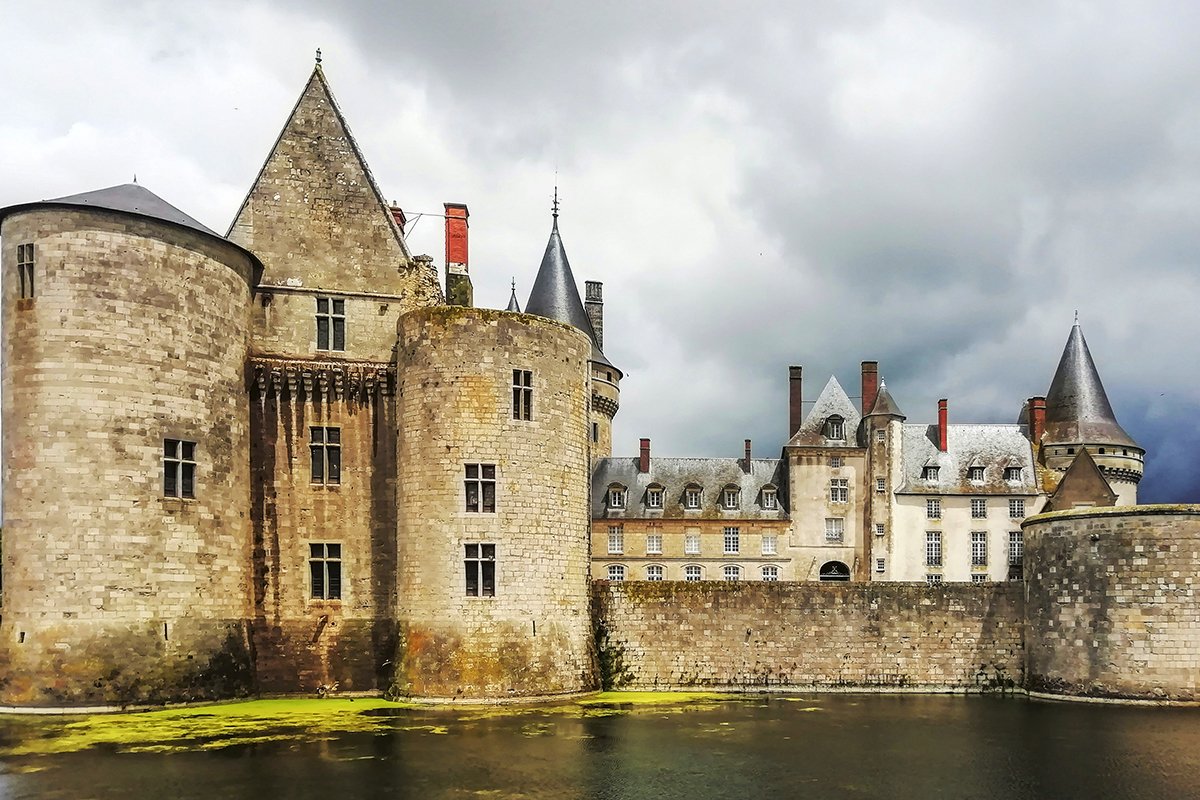
Rising from broad, water-filled moats at the eastern gateway to the Loire Valley, Chateau de Sully-sur-Loire feels every bit the fortress it was built to be. Its hulking 14th-century donjon and round towers still guard the river approach, while inside you’ll find the more domestic world of a great statesman’s home—Maximilien de Bethune, Duke of Sully—who turned this stronghold into a residence worthy of Henri IV’s foremost minister.
Quick Facts
📍 Location: Sully-sur-Loire, Centre-Val de Loire, France
🏗️ Construction Period: 1395-15th century (major phase); early site attested 1102
🏰 Architectural Style: Medieval Gothic fortress architecture (late 14th-15th century), with early 17th-century additions
🎭 Famous For: Its imposing late-medieval moated fortress design, the monumental 1395 donjon with four round towers, the exceptional ‘Grand Galetas’ timber roof frame, and its reinvention as the Duke of Sully’s power-base under Henri IV
👑 Notable Figures: Guy VI de La Tremoille; Maximilien de Bethune, Duke of Sully; Joan of Arc; Anne of Austria; Cardinal Mazarin; Voltaire; King Henri IV (association through Sully)
🏆 UNESCO Status: Yes
🌐 Official Website: https://www.chateausully.fr/en
Map
Historical Context
Sully-sur-Loire began as a strategic checkpoint on the Loire, first recorded in 1102 as a fortified site controlling a crucial crossing. The chateau you see today took shape from 1395, when Guy VI de La Tremoille raised a vast donjon designed to defend the bridge and impress elite guests—an archetype of late-medieval military architecture on the eve of the Renaissance. In 1429, Joan of Arc stayed here, linking the fortress to one of France's defining moments. The castle's second life came in 1602, when Maximilien de Bethune—future Duke of Sully and Henri IV's chief minister—bought, repaired, and expanded it, adding defenses and turning it into a residence that matched his political weight. Despite fire in 1918 and WWII bombing, careful restorations have revived its rooms and atmosphere.
Visual Tour
Visiting Information
🗓️ Best Time to Visit: April, May, late September, and October
🗺️ Location Perks: You’re right at the ‘gateway’ to the Loire Valley chateaux route, with the river’s levees, footpaths, and big-sky views making the approach as memorable as the visit. Don’t miss a stroll along the Loire and the canal-lined parkland shaped to tame flooding.
⏳ Estimated Visit Duration: Plan to spend 2-3 hours exploring the castle and its grounds.
💡 Visiting tips: Arrive early for the best photos of the donjon reflected in the moats, then save time for a circuit outside the walls. If available, choose a guided visit—it’s the surest way to understand the defensive details and, on certain tours, to access the remarkable attic roof structure.
Search