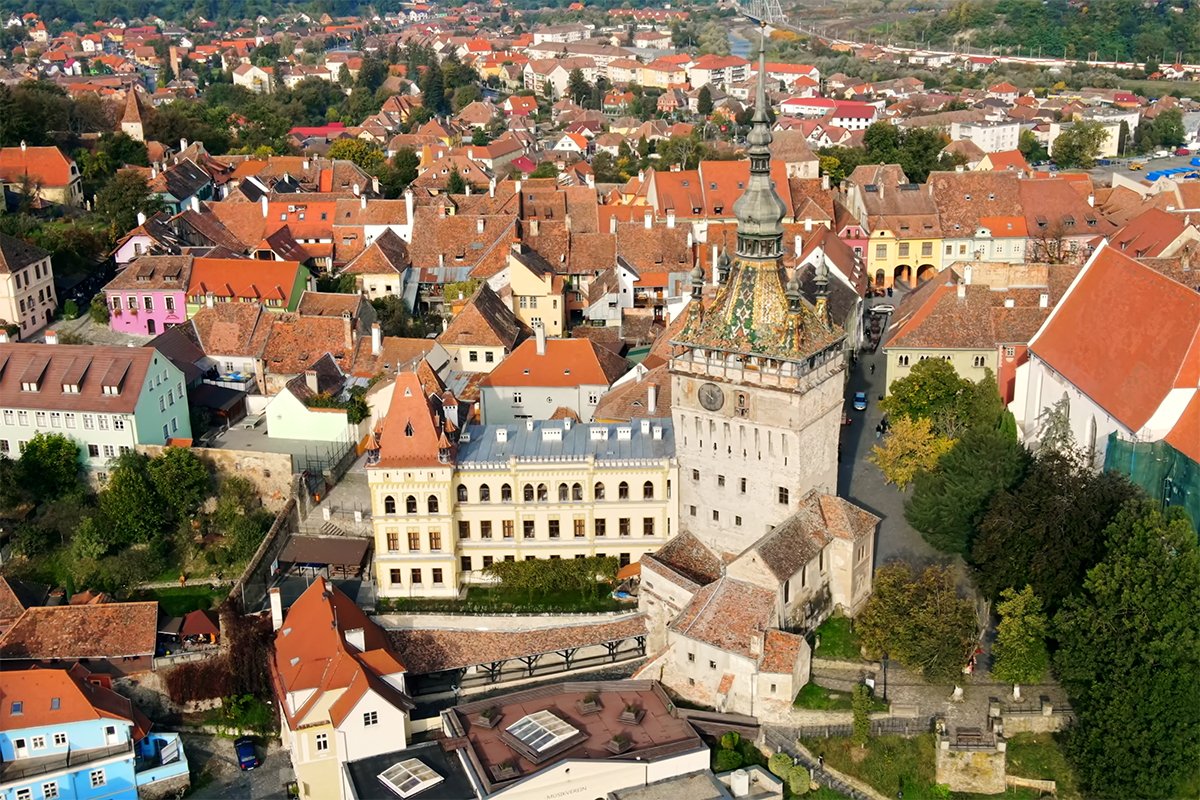
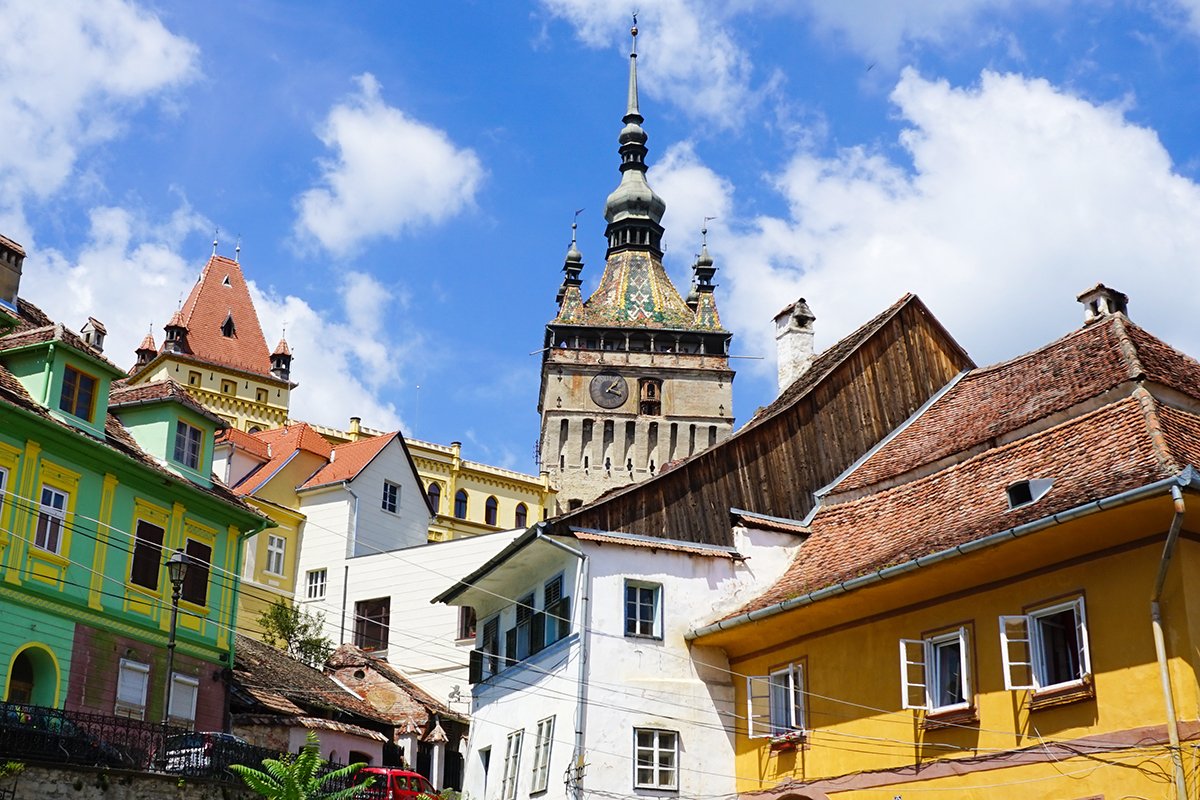
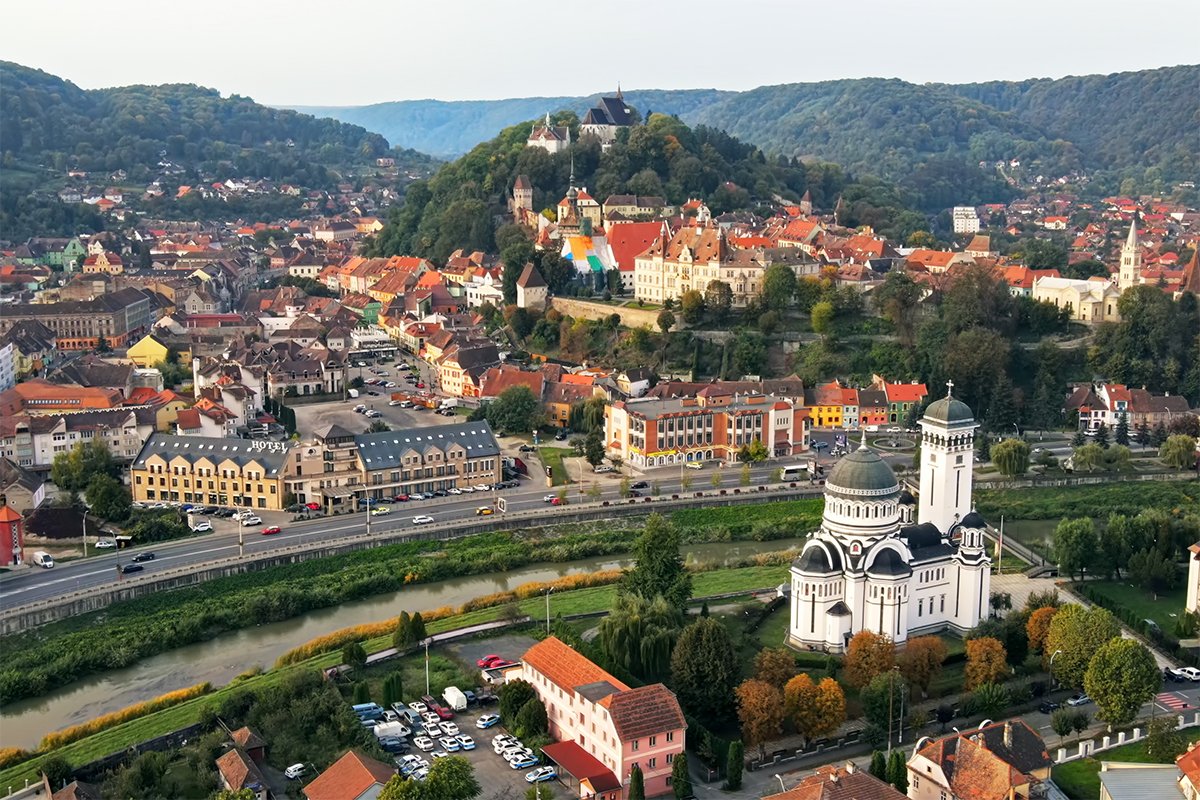
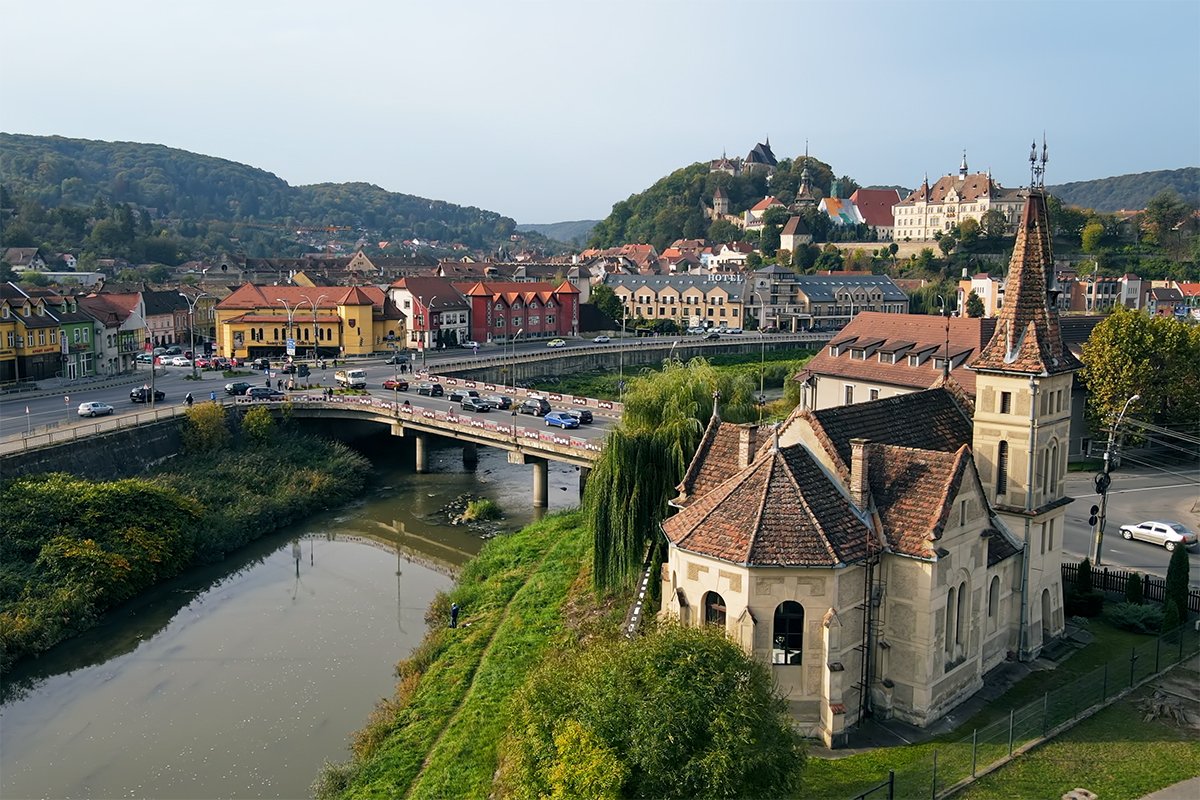
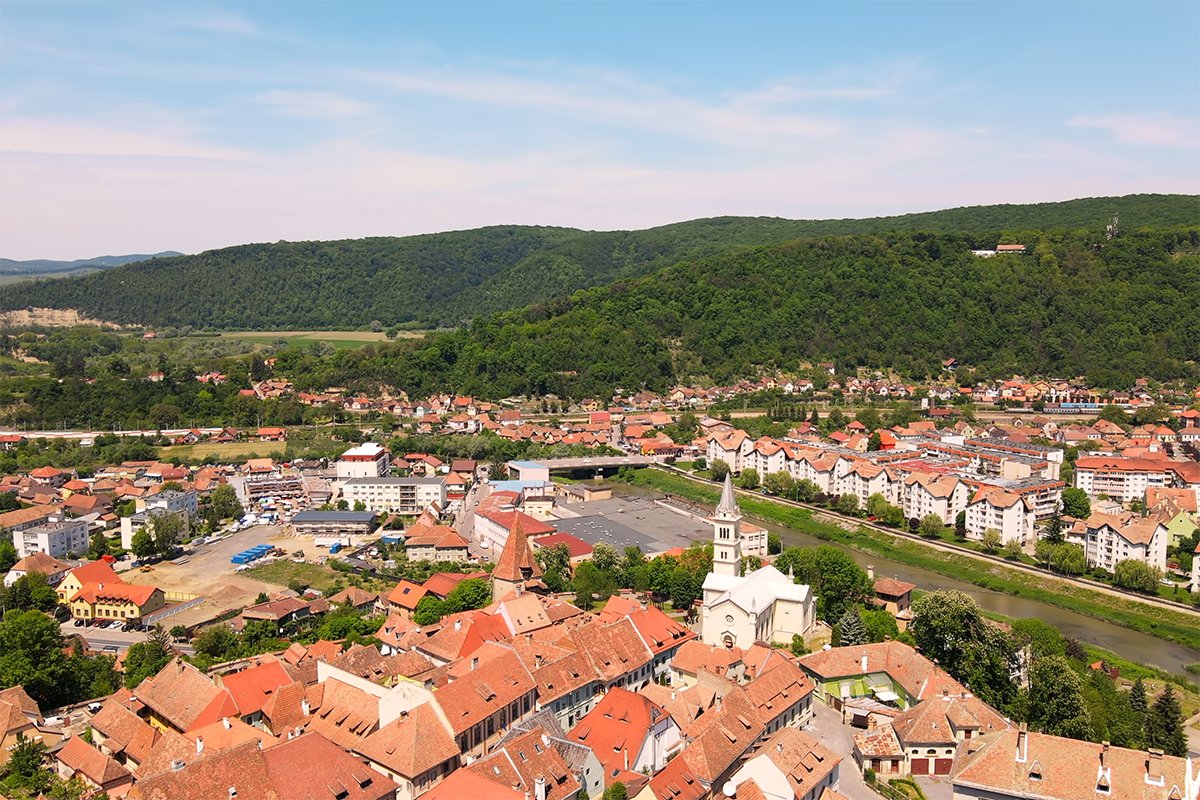
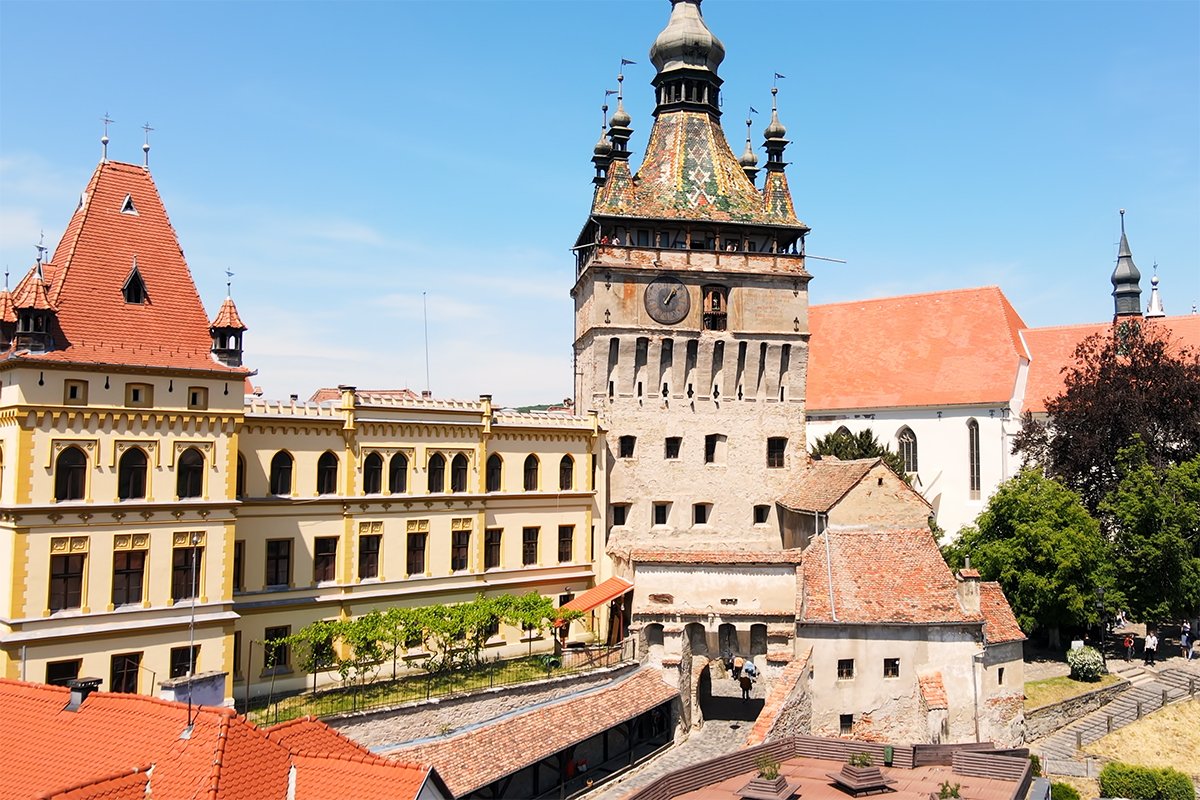
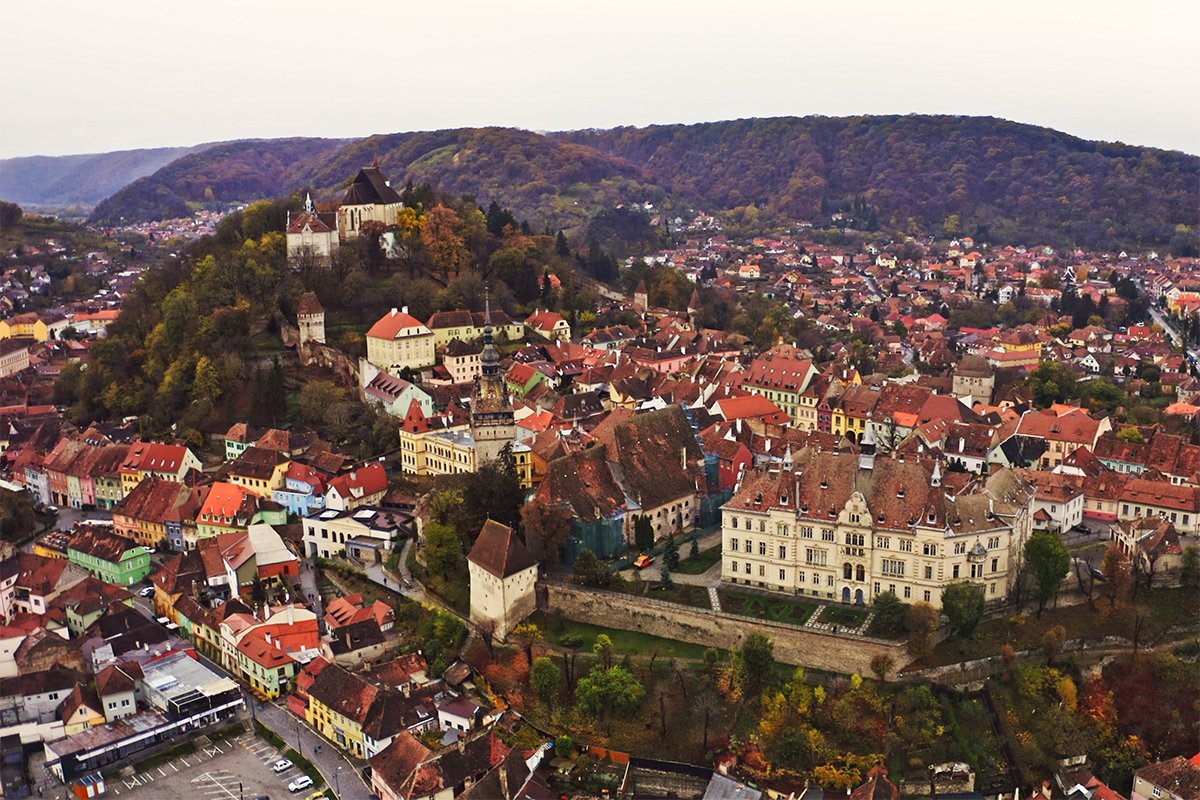
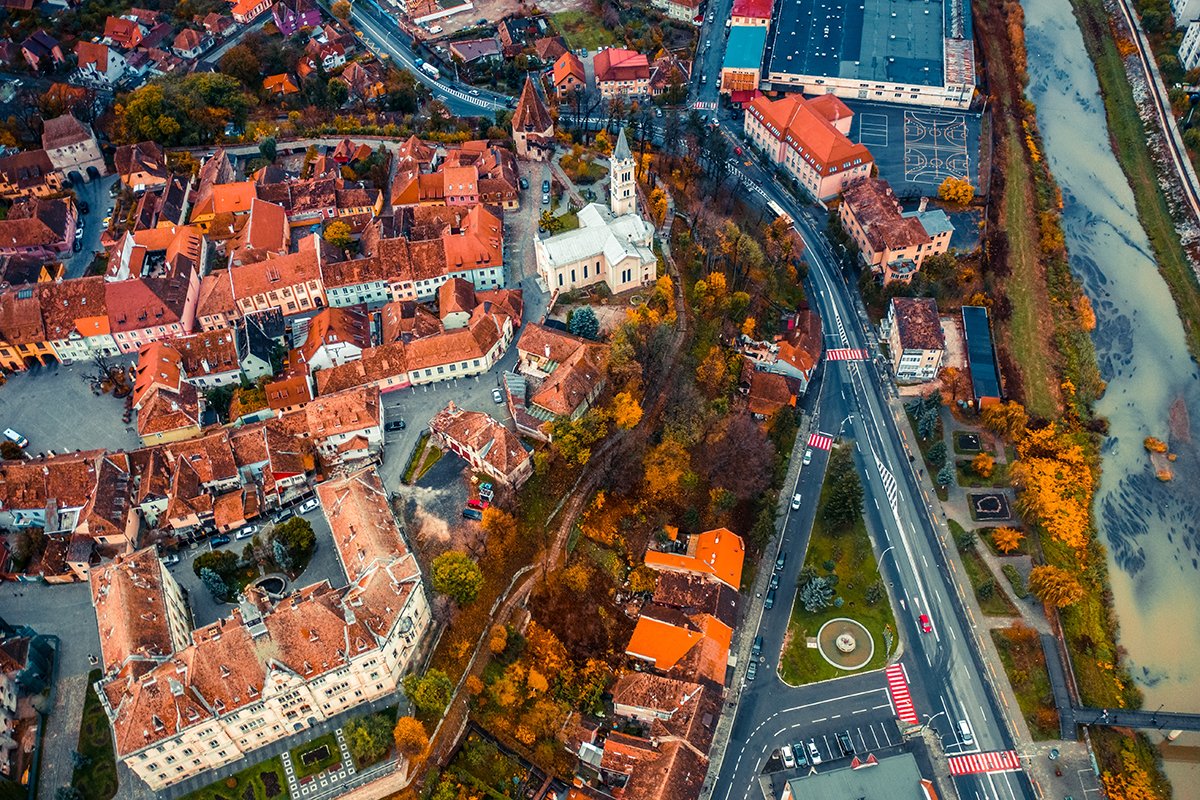
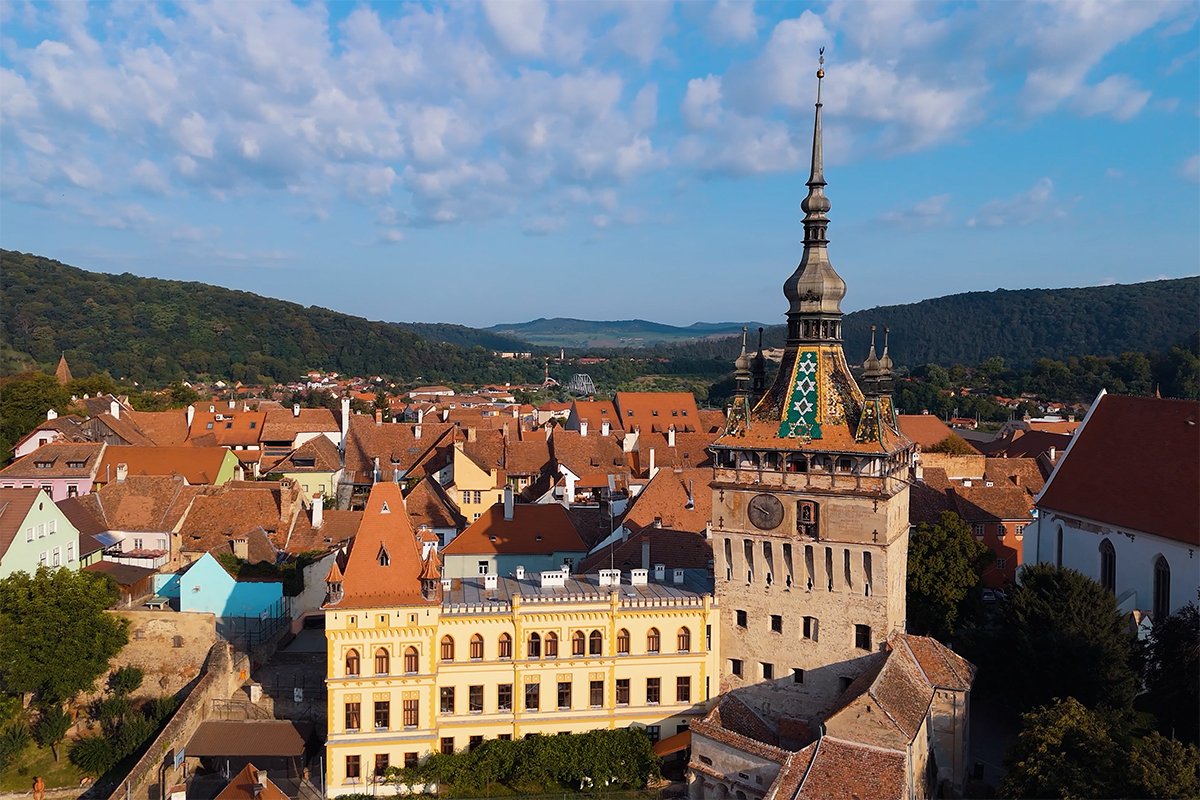
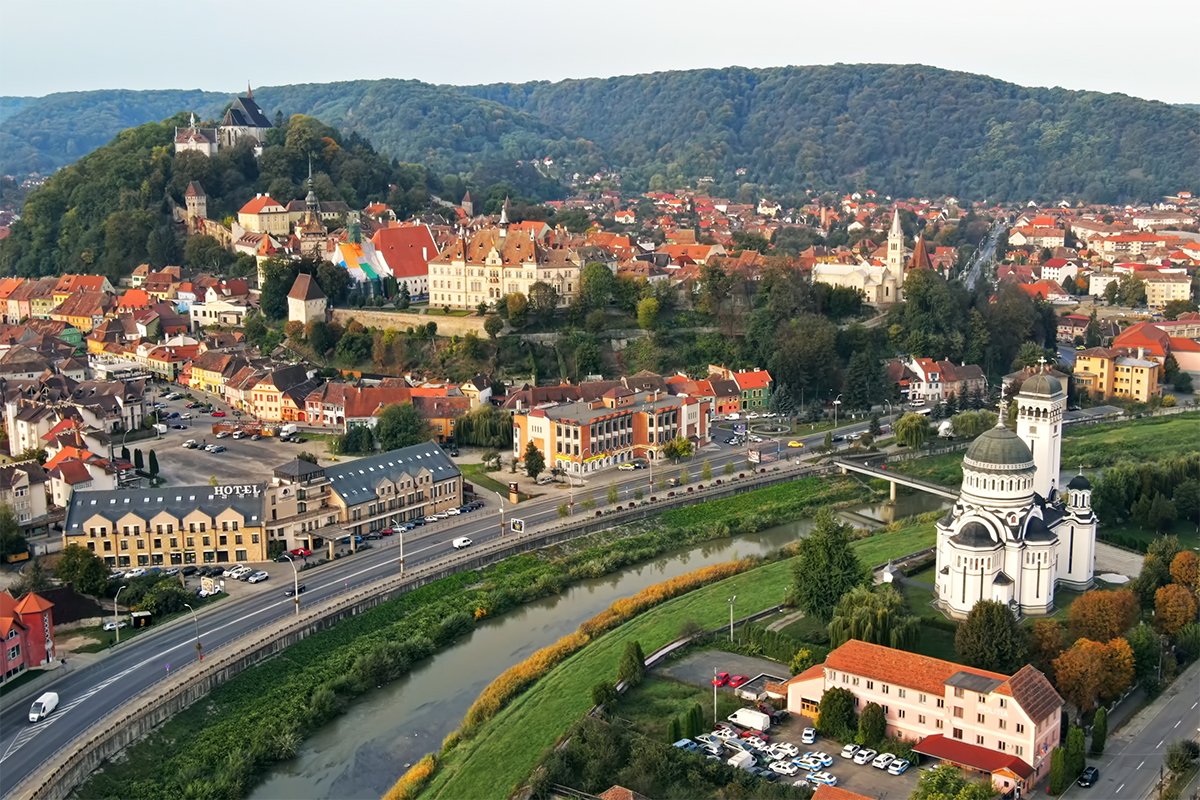
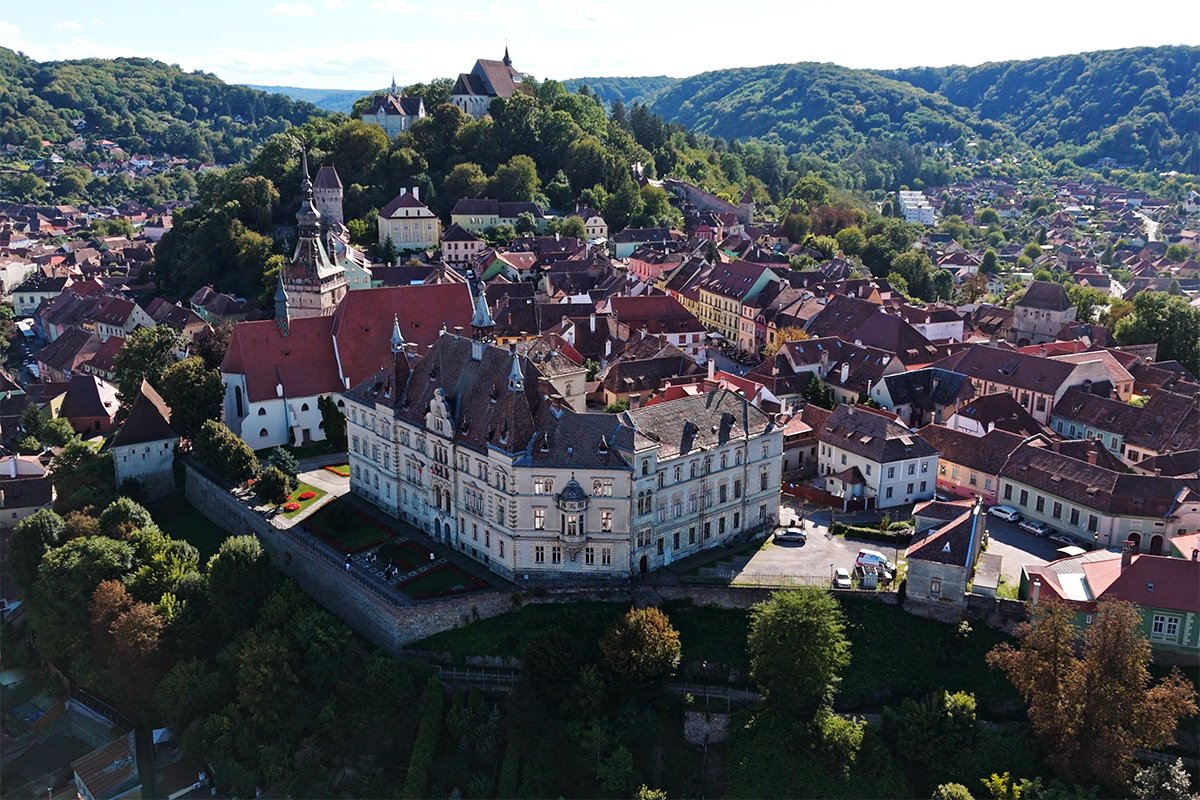
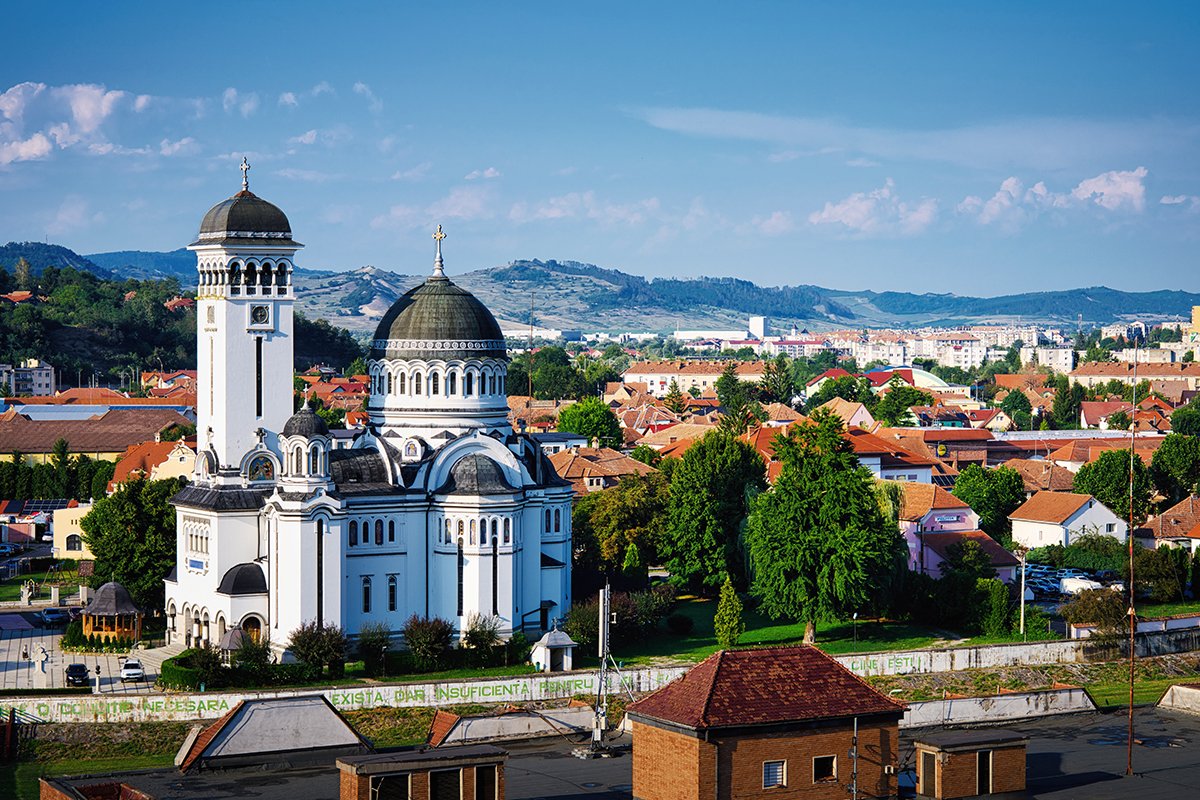
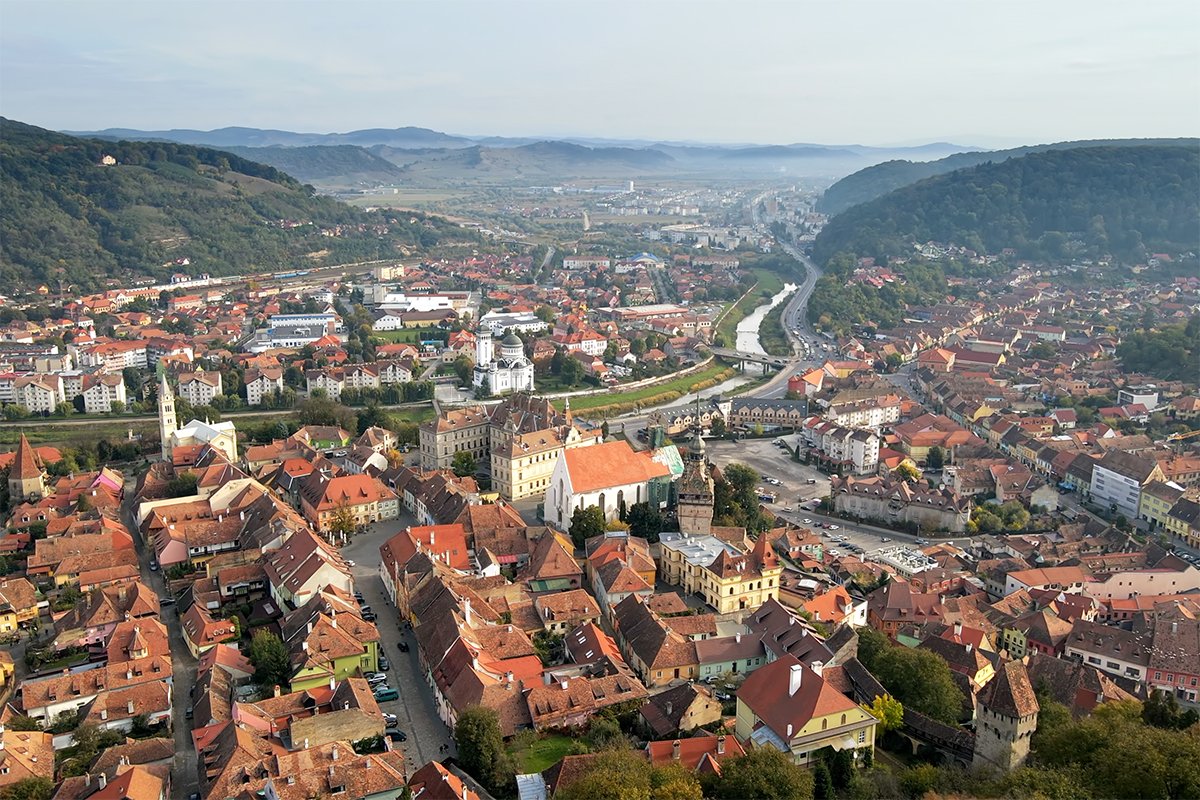
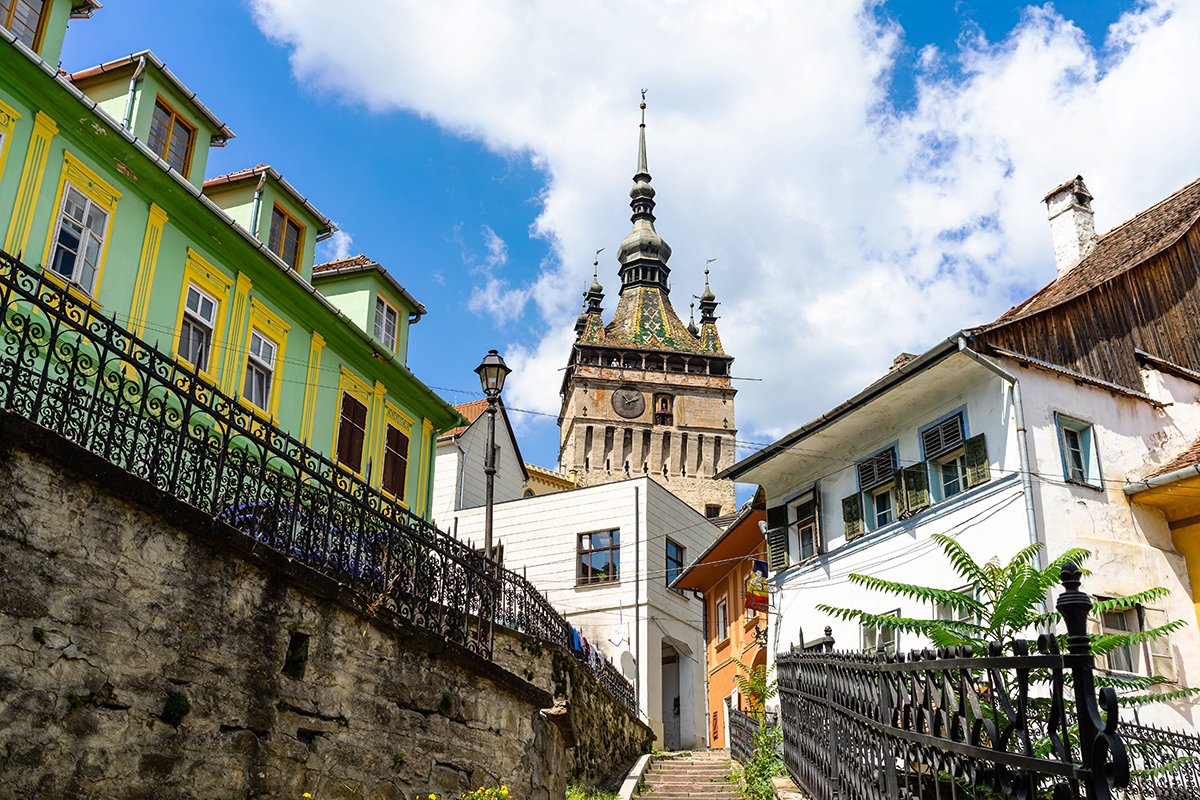
Perched above the Tarnava Mare River, Sighisoara Citadel feels less like a museum piece and more like a town that simply never stopped being medieval. Behind its walls, cobbled lanes curl past guild towers, painted burgher houses, and church spires that catch the light just right at dusk. It’s one of Europe’s best-preserved inhabited citadels—alive with everyday life, yet steeped in Saxon history at every turn.
Quick Facts
📍 Location: Sighisoara, Transylvania, Romania
🏗️ Construction Period: 12th century (fortifications expanded 14th-17th centuries)
🏰 Architectural Style: Gothic and Late Gothic with Renaissance and Baroque additions
🎭 Famous For: UNESCO-listed inhabited medieval citadel; Saxon guild towers and walls; the iconic Clock Tower; the 1676 Great Fire; local tradition linked to Vlad the Impaler’s early years
👑 Notable Figures: Transylvanian Saxon colonists (founders); Vlad Dracul (issued a 1431 document mentioning the town)
🏆 UNESCO Status: Yes — 1999, UNESCO World Heritage Site: Outstanding testimony to the culture of the Transylvanian Saxons
🌐 Official Website: https://romaniatourism.com/sighisoara.html
Map
Historical Context
Sighisoara Citadel began in the 12th century as a hilltop stronghold founded by Transylvanian Saxon colonists—craftsmen and merchants who turned defense into daily routine. By the late medieval period it had grown into a free royal city and a lively trade hub, its guilds powerful enough to maintain their own sections of wall, towers, and gates. The original defensive ring stretched about 930 meters, with 14 towers and multiple bastions—an urban fortress designed to protect Transylvania's eastern frontier from raids and later Ottoman pressure. Disaster reshaped the skyline in 1676, when a great fire tore through the town and gunpowder stored in the Tailors' Tower exploded; rebuilding added Renaissance and Baroque touches to the Gothic core. Today, its continued habitation makes the UNESCO-listed citadel feel remarkably authentic.
Visual Tour
Visiting Information
🗓️ Best Time to Visit: April, May, late September, and October
🗺️ Location Perks: The citadel crowns a hill above the river, so viewpoints come naturally—especially from the Clock Tower and the Church on the Hill. Don’t miss the lower town’s riverside atmosphere and the quick, photogenic climb back up through the medieval gates.
⏳ Estimated Visit Duration: Plan to spend 4-6 hours exploring the citadel, its towers, churches, and viewpoints.
💡 Visiting tips: Wear grippy shoes for steep, uneven cobblestones, and pace yourself for stair climbs—especially the Covered Staircase and tower steps. Go early or late in the day for quieter streets, then linger respectfully: many houses are still lived in.
Related Articles
Search