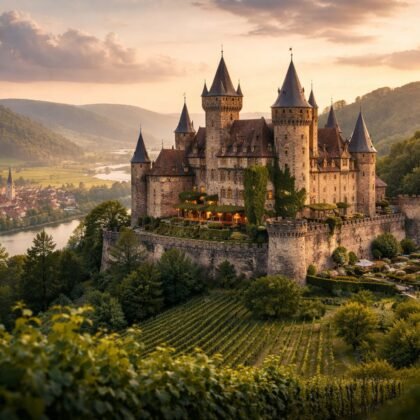
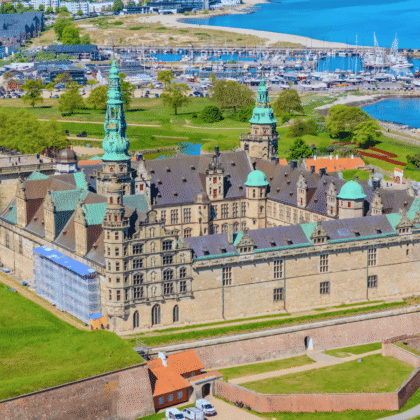
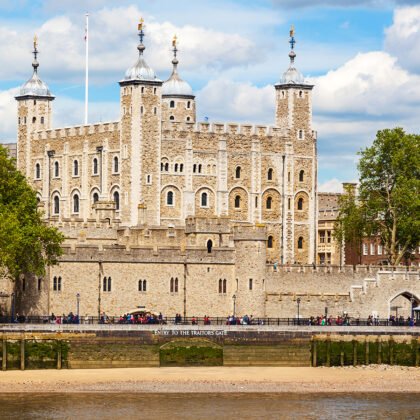
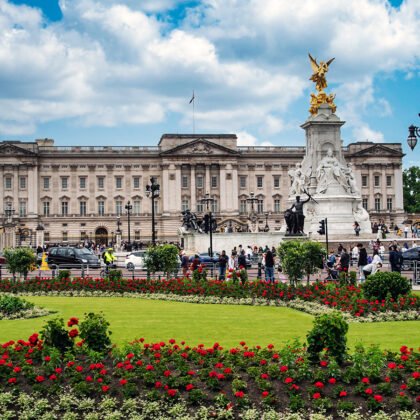
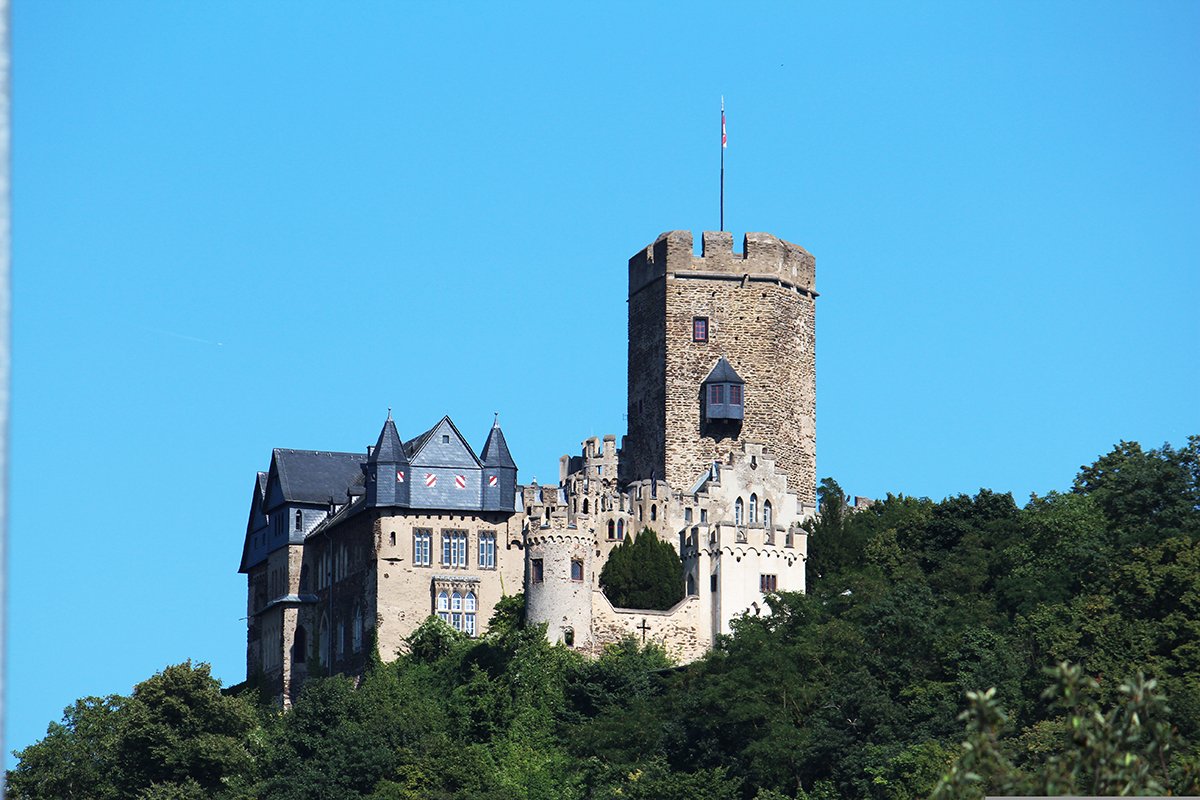
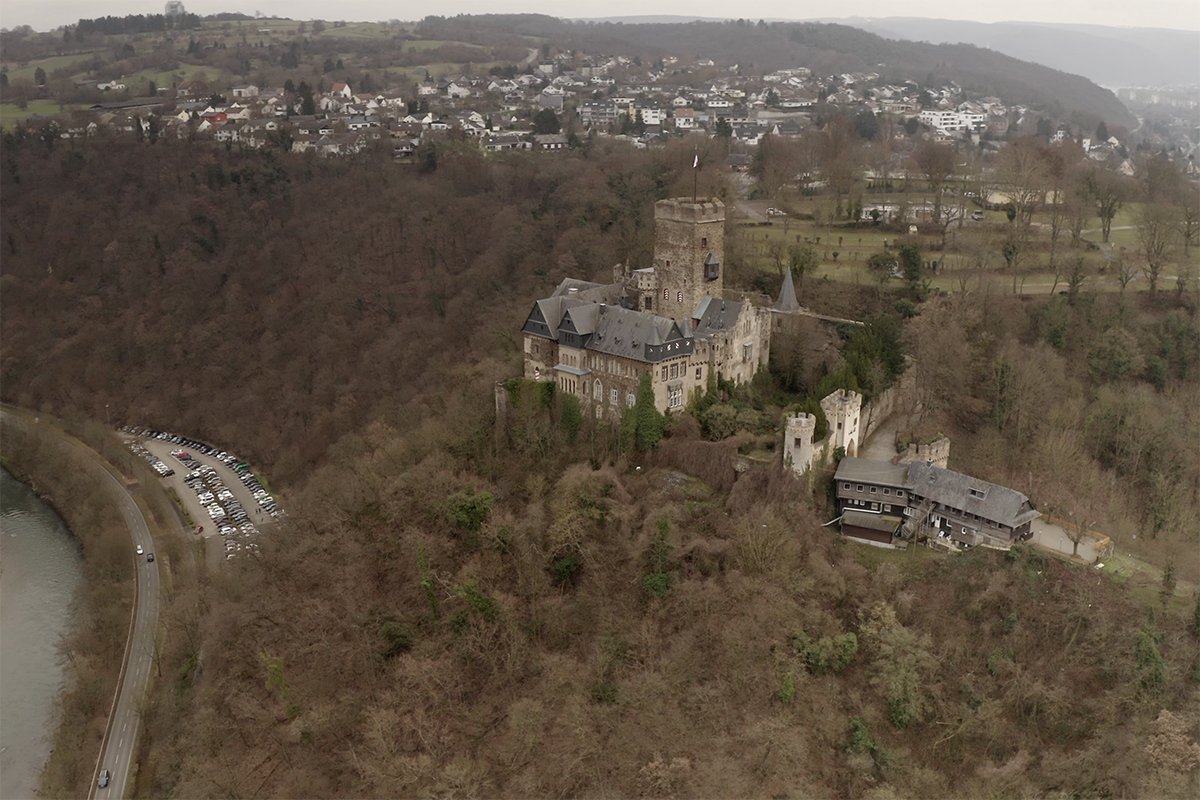
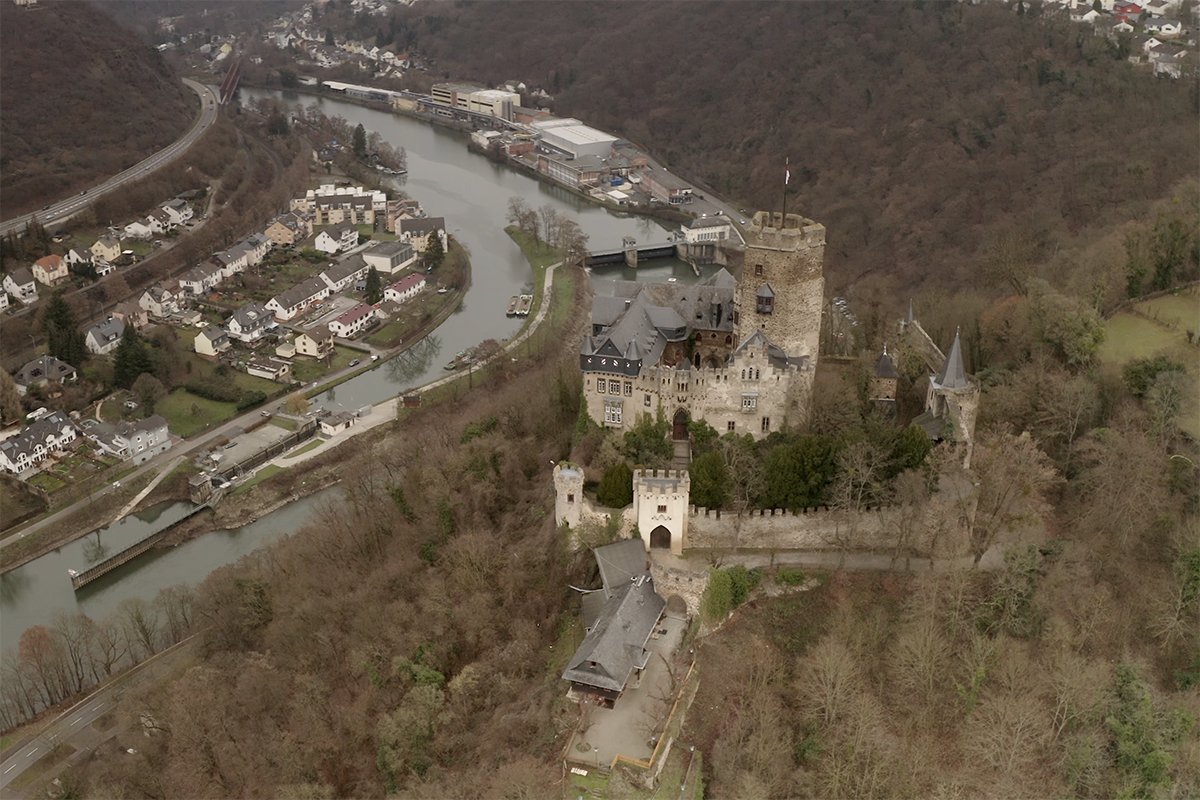
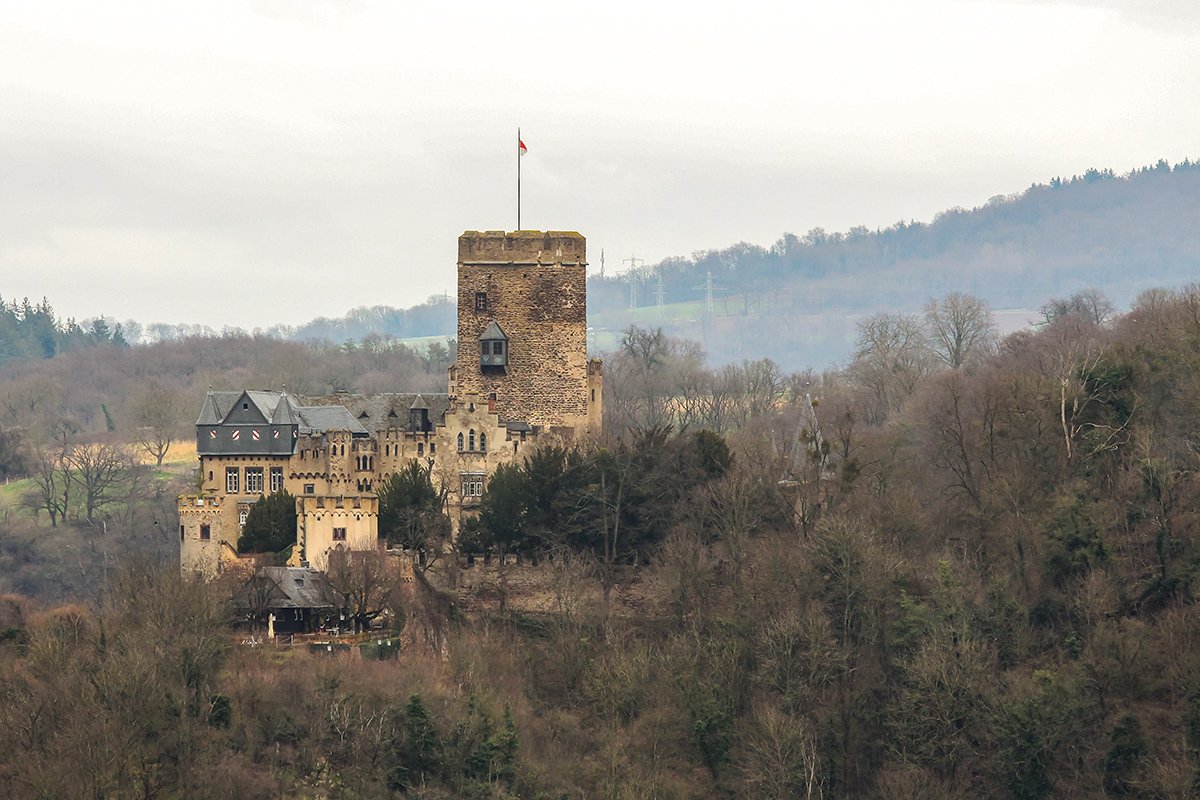
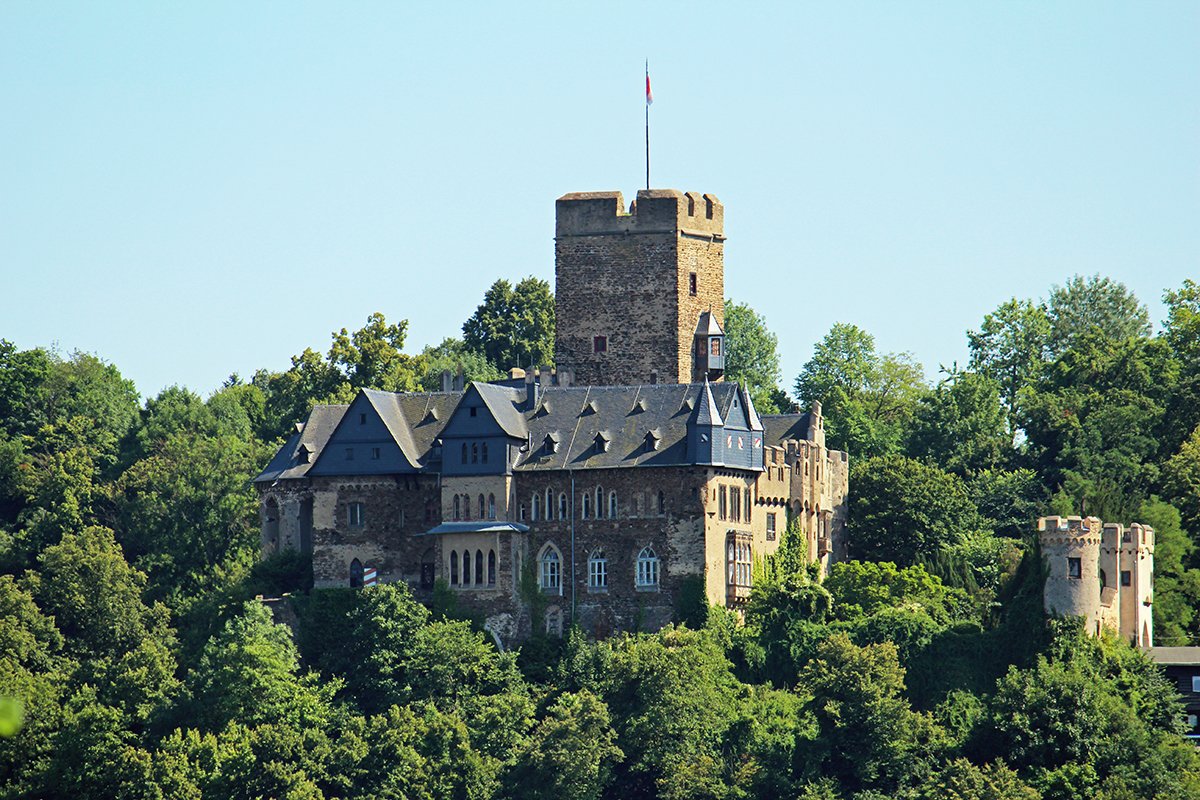
Perched high above where the Lahn meets the Rhine, Lahneck Castle feels like a lookout built for drama: steep rock beneath, big sky above, and river traffic far below. It’s a rare early-Gothic fortress with a striking pentagonal tower, shaped as much by medieval power politics as by later Rhine Romantic dreams. Come for the views—and stay for the legends that cling to its stones.
Quick Facts
📍 Location: Lahnstein, Rhineland-Palatinate, Germany
🏗️ Construction Period: 1226 (13th century)
🏰 Architectural Style: Early Gothic (with 19th-century Neo-Gothic restoration)
🎭 Famous For: Early Gothic castle design; rare pentagonal bergfried; ties to Holy Roman Empire power shifts; Rhine Romanticism; Templar and Idilia Dubb legends
👑 Notable Figures: Archbishop Siegfried III of Eppstein (founder); King Adolf of Nassau; Burgrave Friedrich Schilling of Lahnstein; King Wenceslaus (linked event); Johann Wolfgang von Goethe; Imperial Admiral Robert Mischke (modern owner family line)
🏆 UNESCO Status: Oui
🌐 Official Website: http://www.burg-lahneck.de/html/gb.html
Map
Historical Context
Lahneck Castle rose in 1226 as the Archbishop of Mainz’s northern sentinel, guarding new holdings at the mouth of the Lahn—along with valuable regional resources such as a nearby silver mine. Architecturally, it stands out for early Gothic features at a time when many German fortresses still leaned Romanesque. The castle witnessed high politics: King Adolf of Nassau stayed here in 1298 before his death in battle, and in 1309 the fortress was stormed after its burgrave joined a plot against King Albert I. In 1400, events surrounding the deposition of King Wenceslaus unfolded nearby, with delegates lodged at Lahneck. After heavy damage in the Thirty Years’ War, it slipped toward ruin, only to be revived in neo-Gothic dress during the Rhine Romantic era—an atmosphere heightened by enduring Templar and Idilia Dubb legends.
Visual Tour
Visiting Information
🗓️ Best Time to Visit: April, May, late September, and October
🗺️ Location Perks: You’re right on the Rhine’s classic panorama route, with sweeping viewpoints over the river bends and a clear look toward Schloss Stolzenfels across the water. The confluence of two rivers gives the landscape an extra sense of scale—linger for the light changes over the valleys.
⏳ Estimated Visit Duration: Plan to spend 2–3 hours exploring the castle and its grounds.
💡 Visiting tips: Plan around guided-tour times—interiors are typically visitable only with a tour, and tours are often in German (ask for an English booklet). Wear sturdy shoes for the steep approach and save time for the tower climb and the café just outside the west gate for Rhine views.
Search