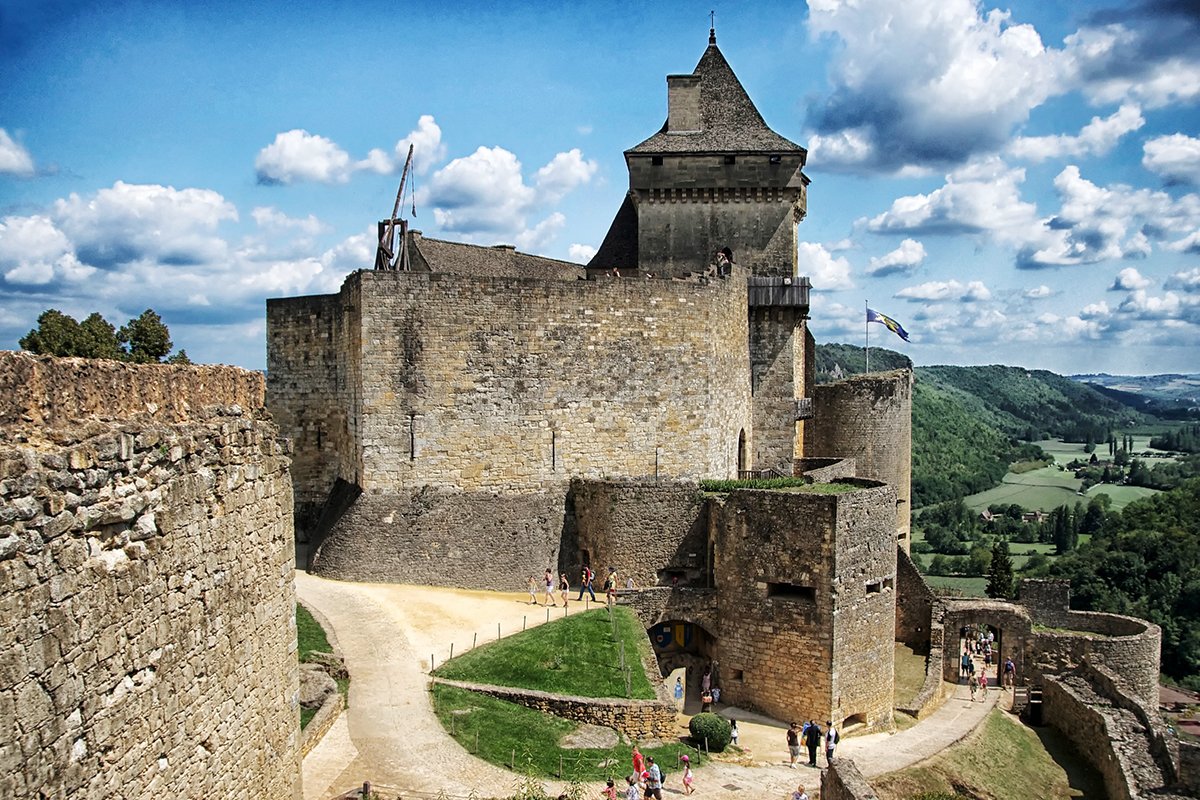
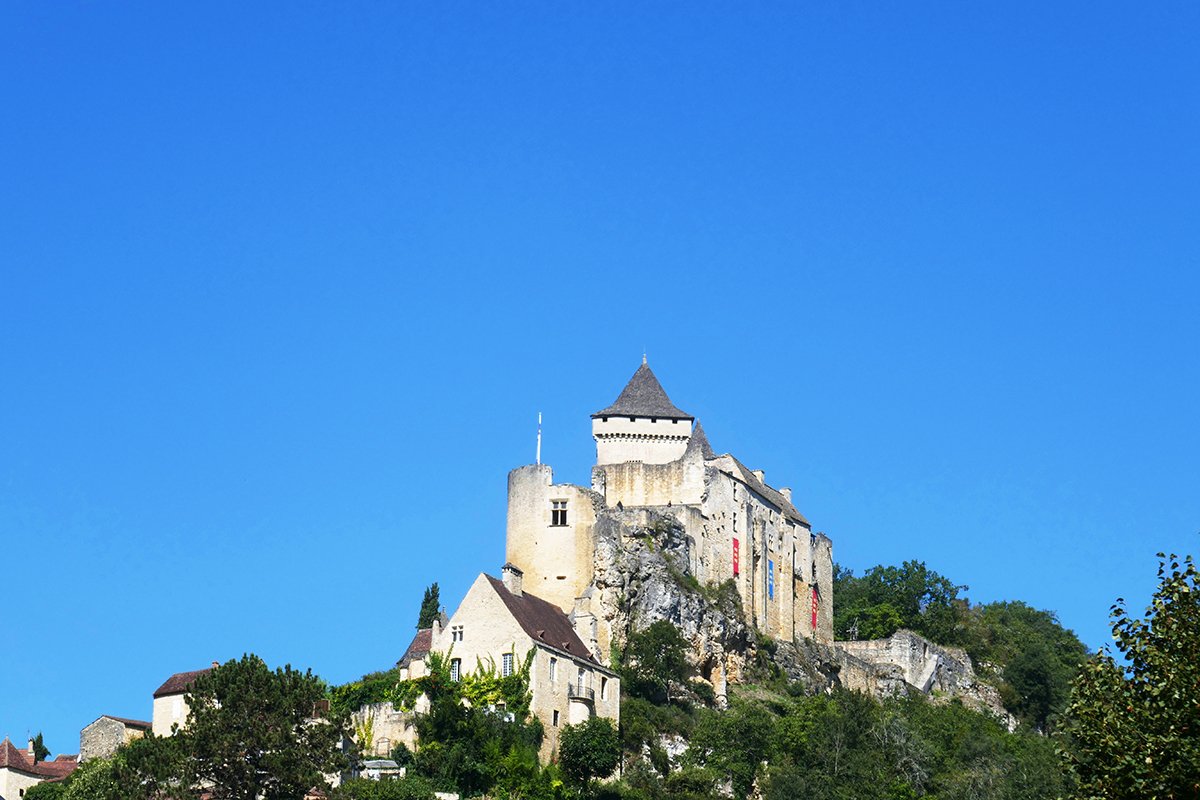
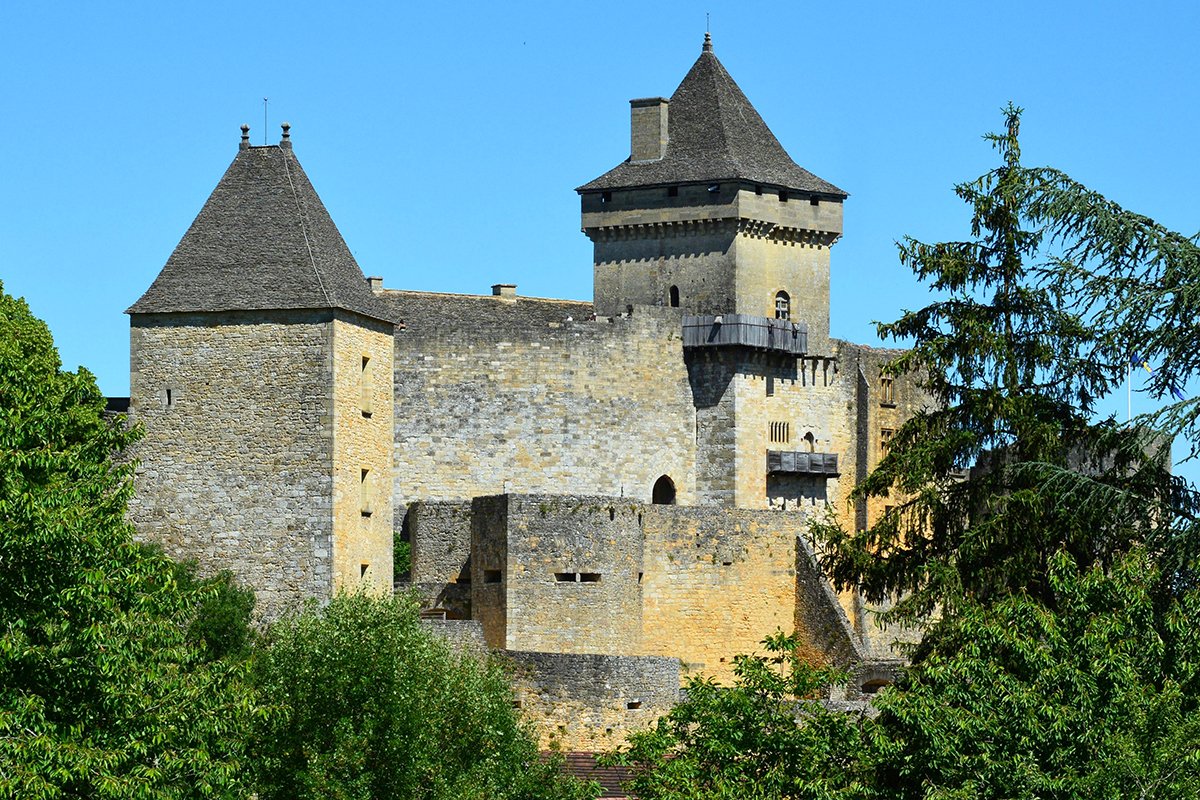
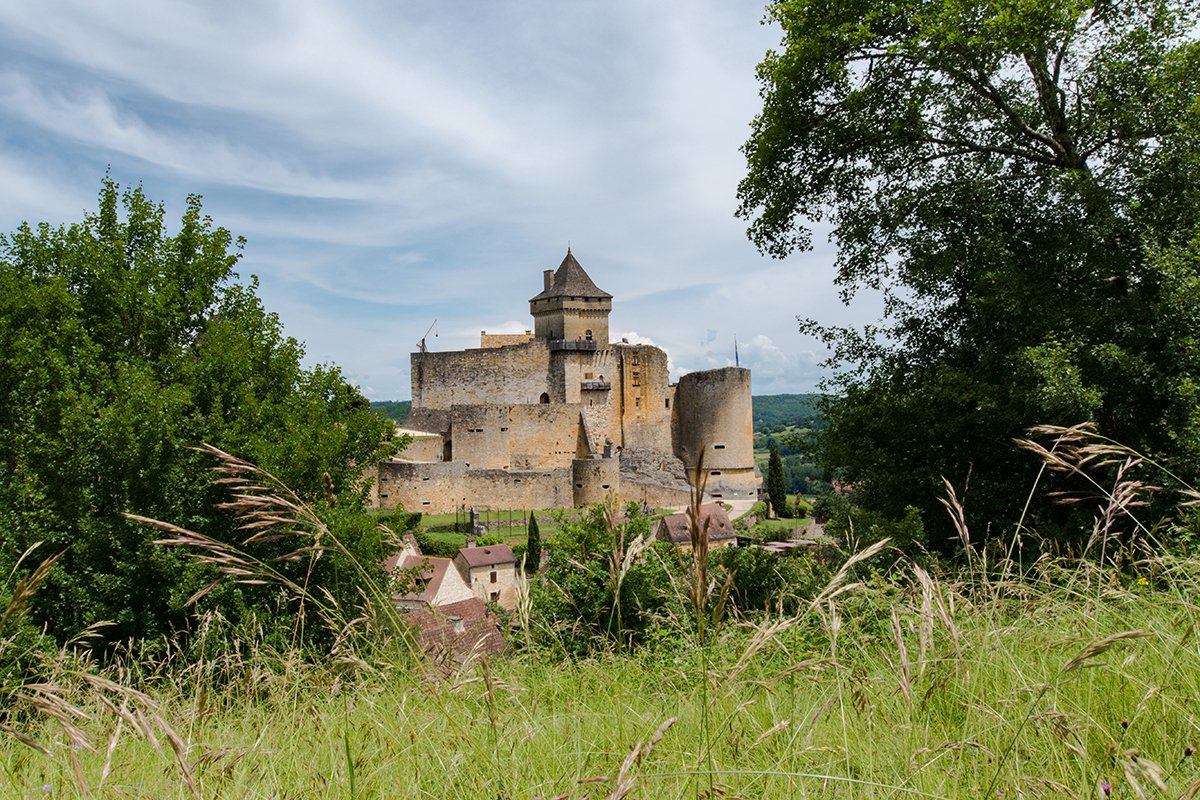
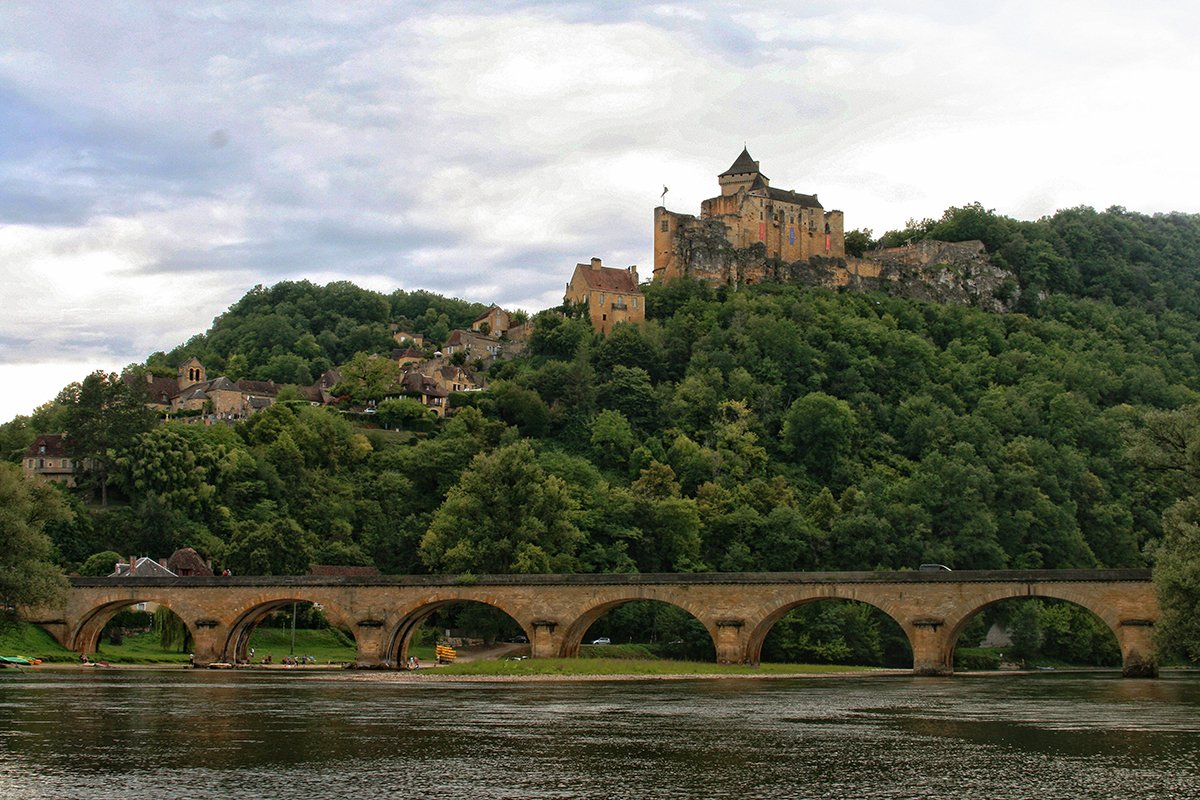
Perched high above the Dordogne River, Château de Castelnaud feels like a stone sentry watching the valley’s moving light. Its jagged walls, towering keep, and purpose-built defenses tell a crisp story of medieval ingenuity—built to intimidate, endure, and outlast sieges. Today, the fortress trades war for wonder, welcoming visitors into a richly staged Museum of Medieval Warfare with sweeping views that never get old.
Quick Facts
📍 Location: Castelnaud-la-Chapelle, Dordogne (Nouvelle-Aquitaine), France
🏗️ Construction Period: Late 12th century–mid-13th century (major rebuild)
🏰 Architectural Style: Medieval military architecture (Romanesque defensive core with later artillery-era additions)
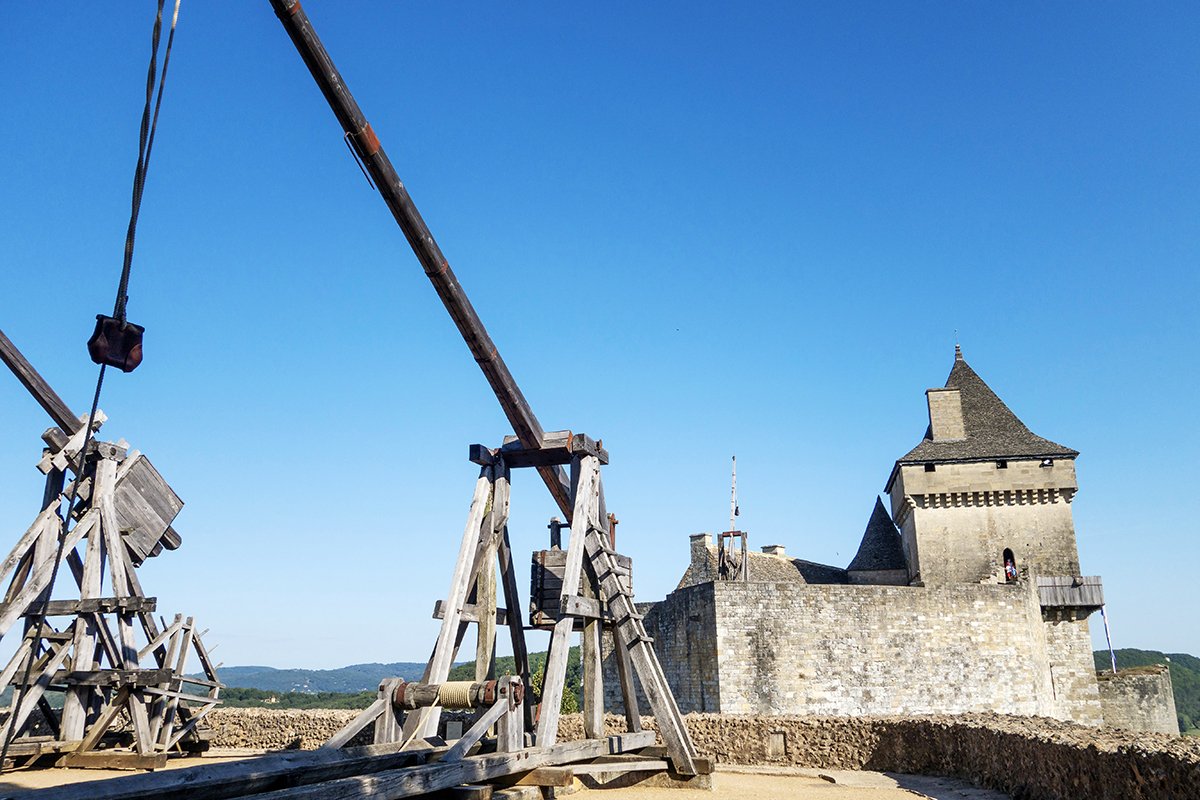
🎭 Famous For: Hundred Years’ War sieges, formidable defensive design, Museum of Medieval Warfare, full-scale siege machine reconstructions
👑 Notable Figures: Bernard de Casnac; Simon de Montfort; Charles VII of France; Archbishop of Bordeaux; the Caumont family
🏆 UNESCO Status: No
🌐 Official Website: https://castelnaud.com/?lang=en
Map
Historical Context
Château de Castelnaud began life in the late 12th century as a hard-edged stronghold above the Dordogne, first associated with Bernard de Casnac, a Cathar supporter. Turbulence arrived quickly: Simon de Montfort seized it in 1214 during the Albigensian Crusade, and after further unrest the Archbishop of Bordeaux ordered it burned in 1215. Rebuilt in the mid-13th century under French authority, Castelnaud later became a prize of the Hundred Years’ War, aligning with English-controlled Aquitaine and changing hands repeatedly. In 1442, Charles VII pressed a decisive siege; after three weeks, the English garrison surrendered for 400 gold crowns, and the fortress returned to France for good. Post-war reinforcements and later artillery-friendly modifications kept it formidable, while 20th-century restorations (Historic Monument since 1966) prepared it for its museum life.
Visual Tour
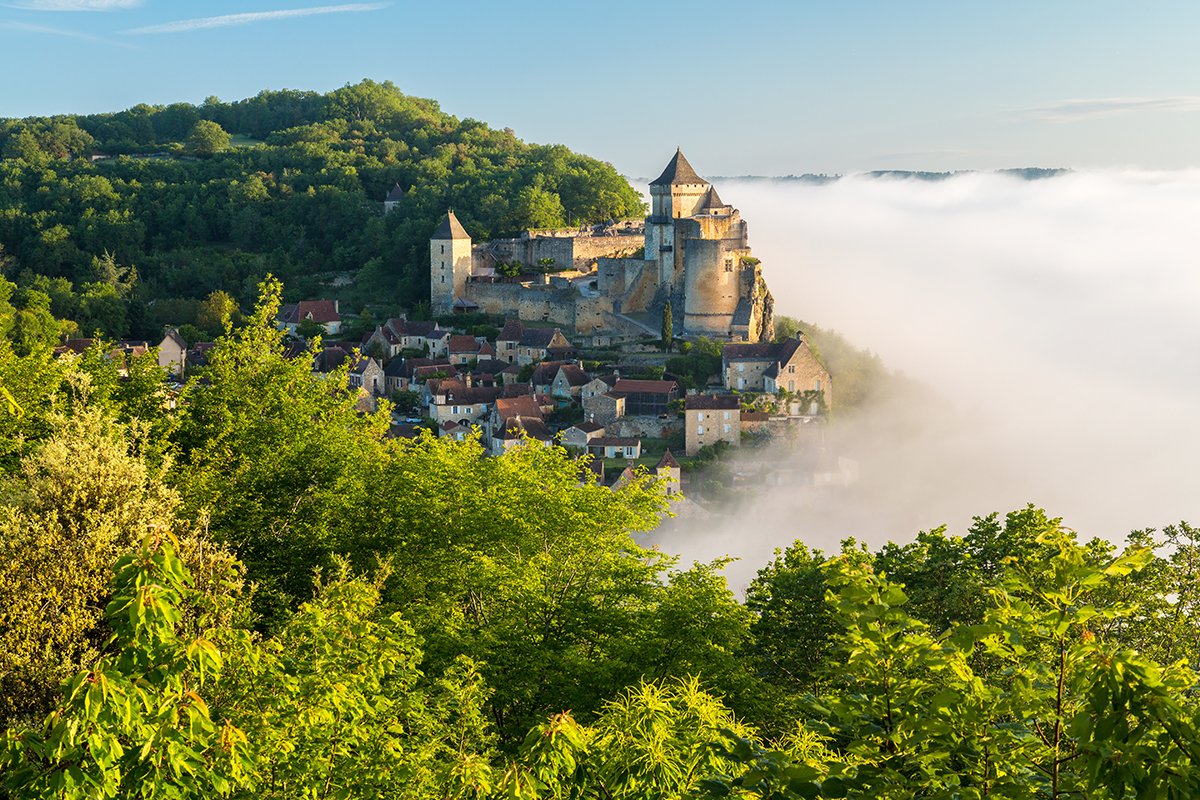
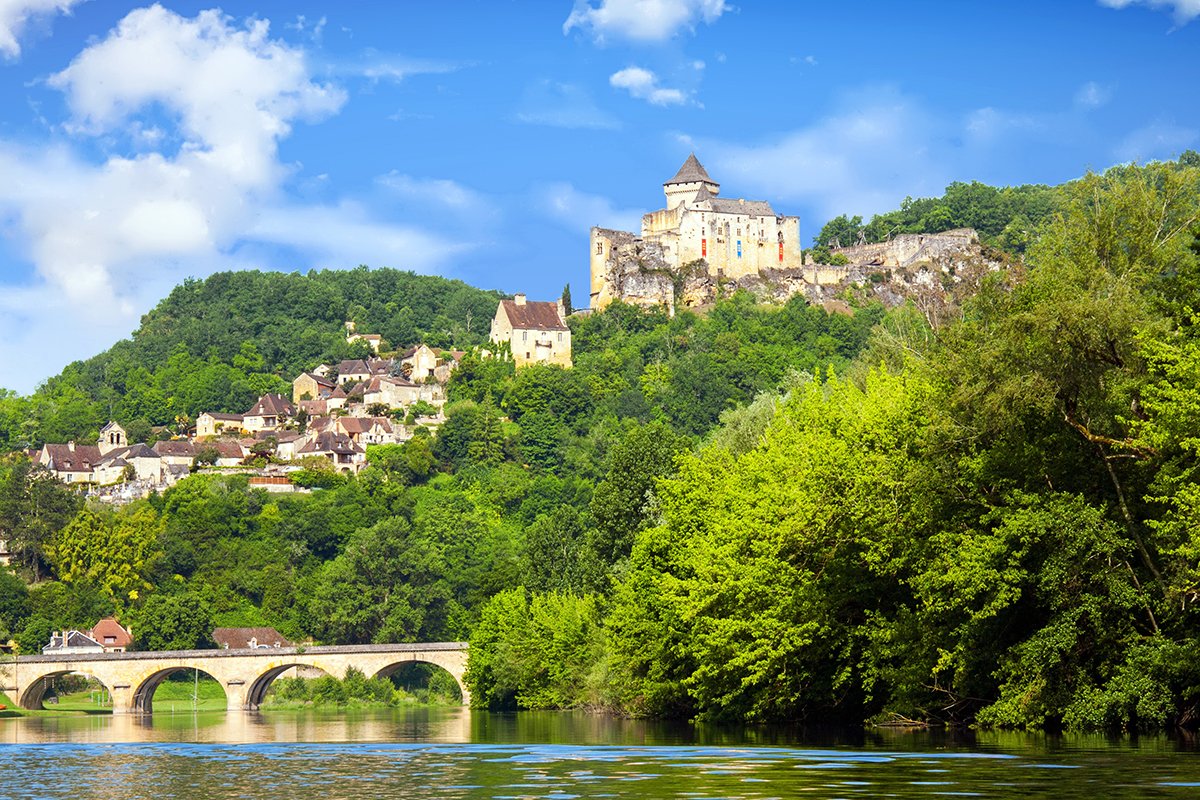
Visiting Information
🗓️ Best Time to Visit: April, May, late September, and October
🗺️ Location Perks: You’re in the heart of the Dordogne Valley—expect cinematic river panoramas and an easy hop to nearby villages and viewpoints that define the Périgord Noir. Don’t miss the valley lookouts from the ramparts; they’re as memorable as the stonework.
⏳ Estimated Visit Duration: Plan to spend 2–3 hours exploring the castle and its grounds.
💡 Visiting tips: Arrive early for quieter rampart walks and clearer photos from the keep. Wear grippy shoes—the interior stairs and uneven stone paths are part of the medieval charm, and a guided tour adds real insight into the defenses and siege craft.
Search