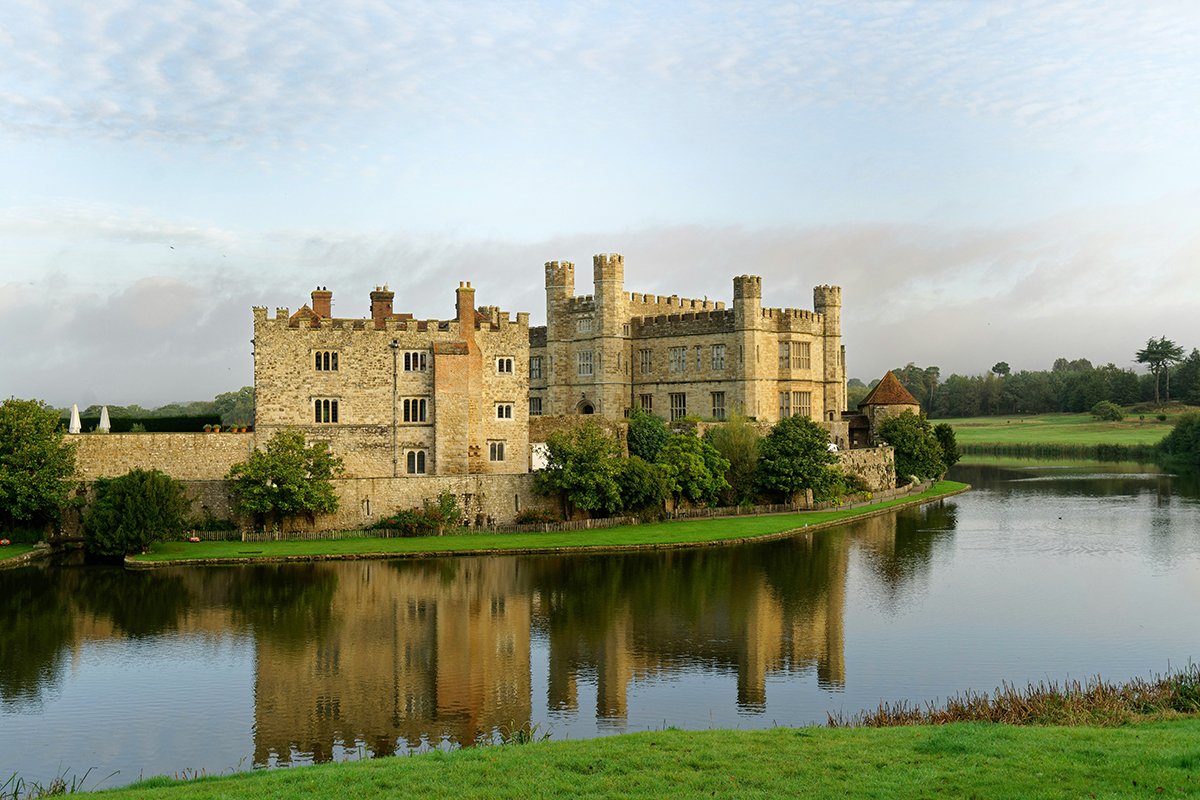
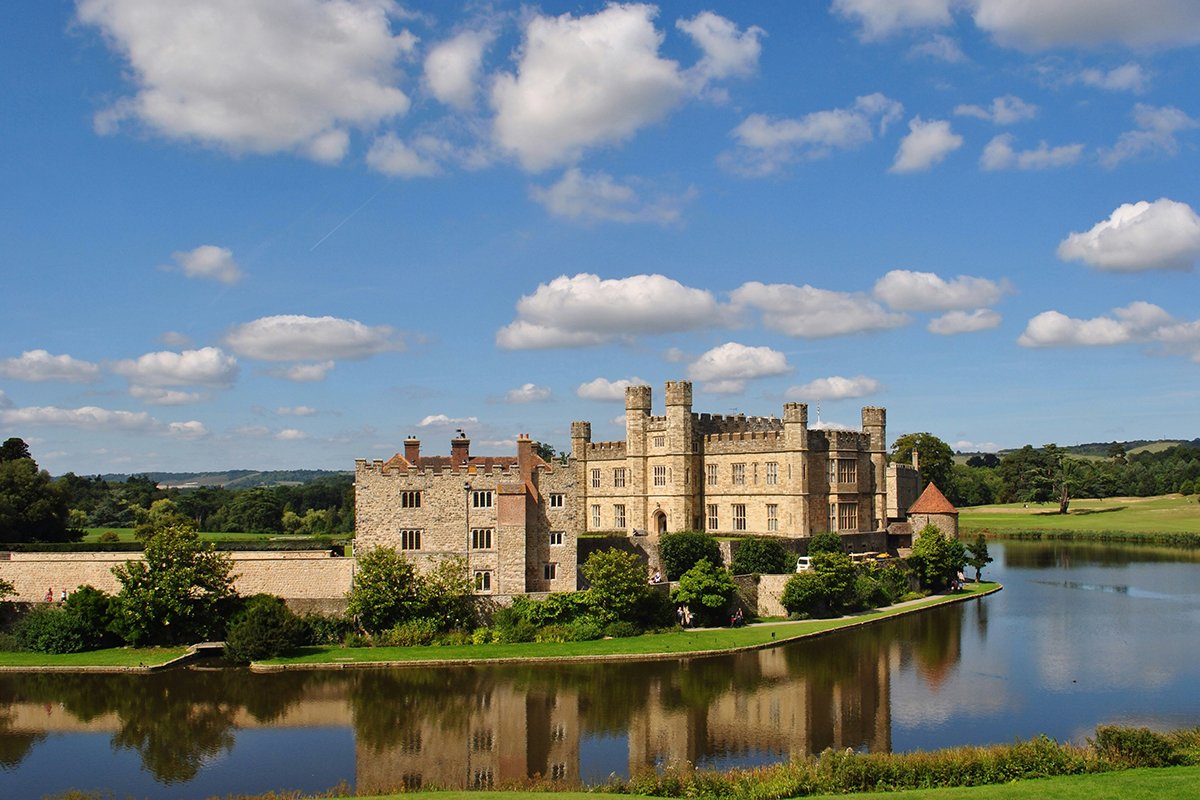
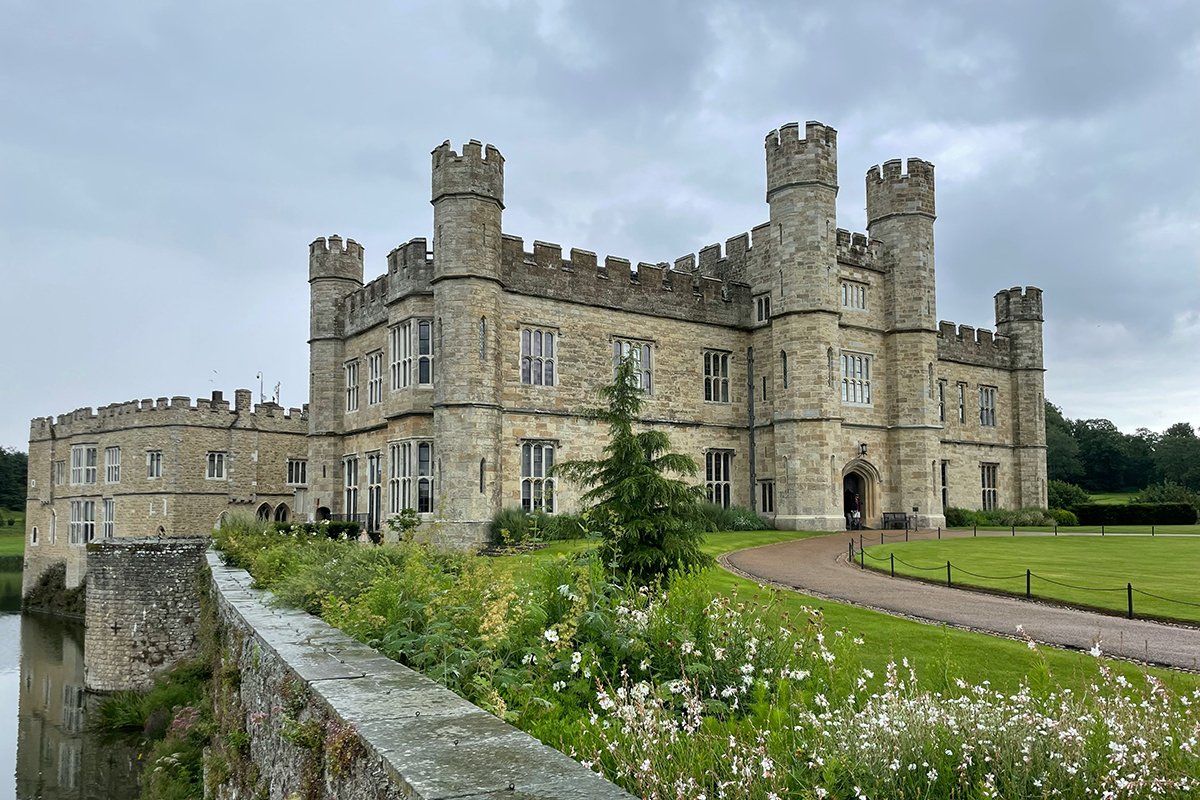
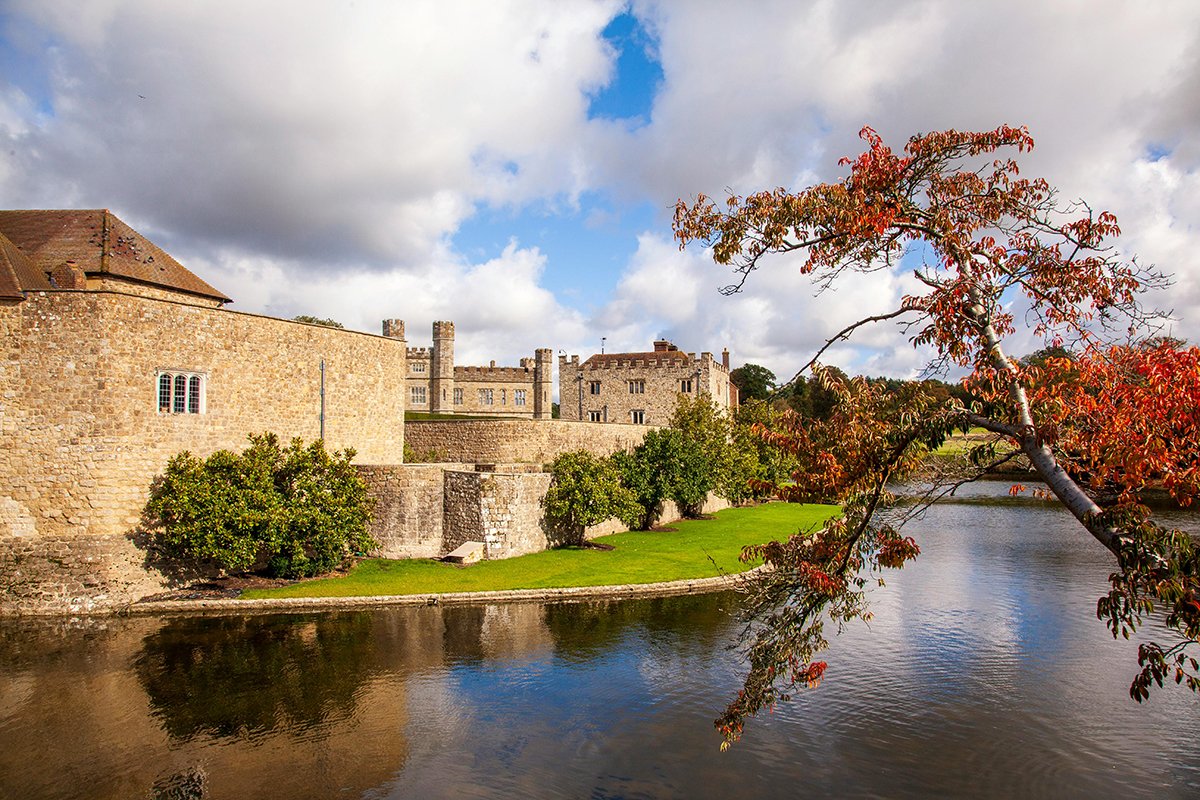
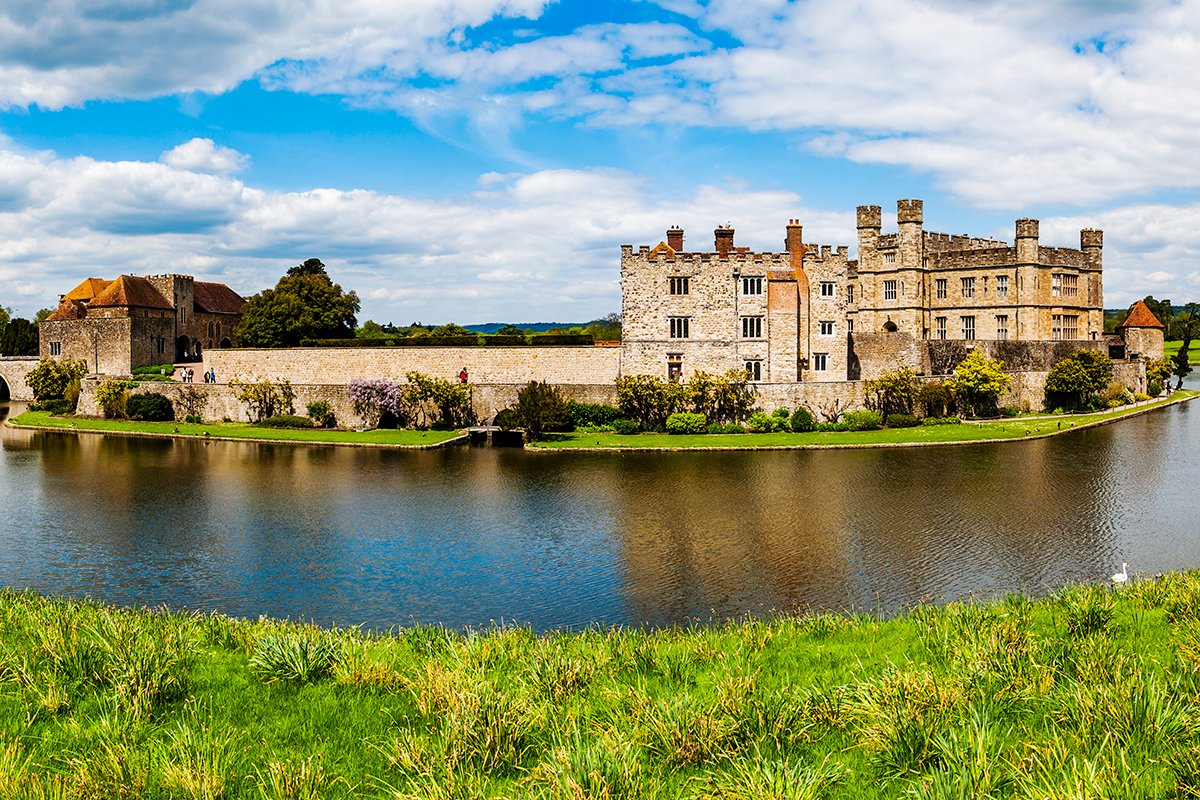
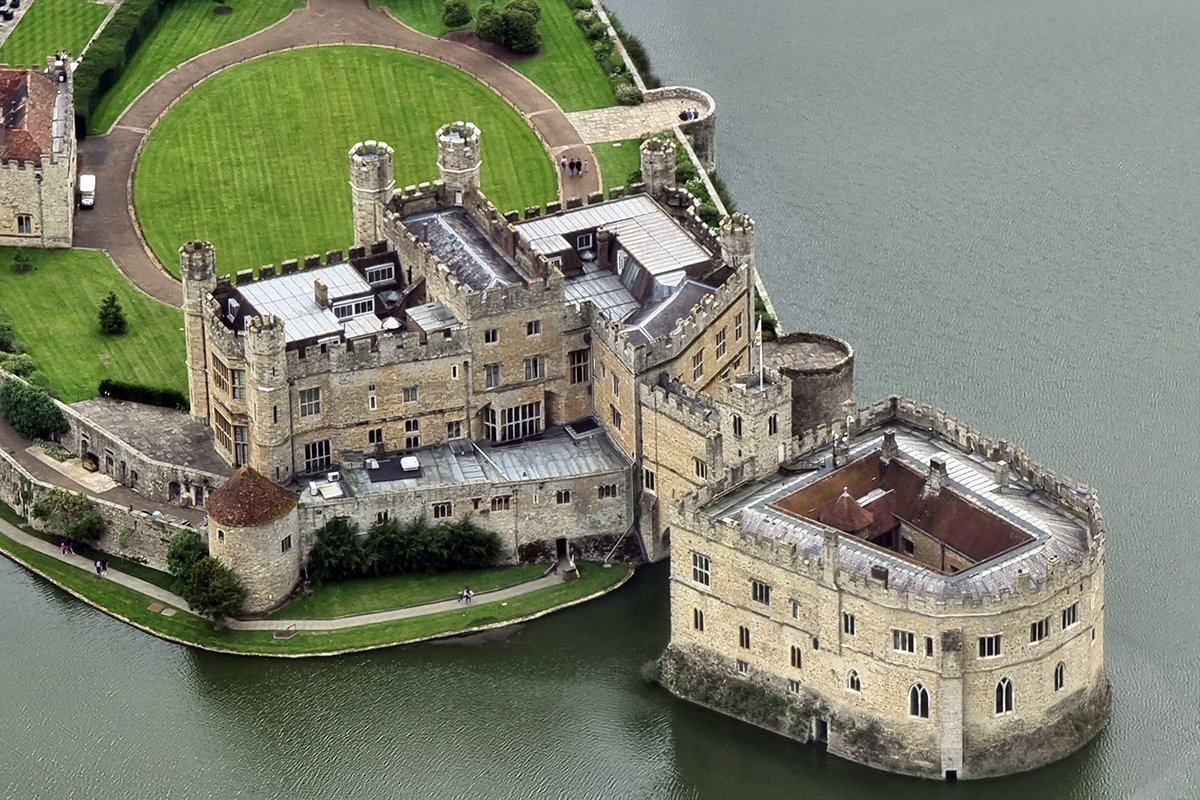
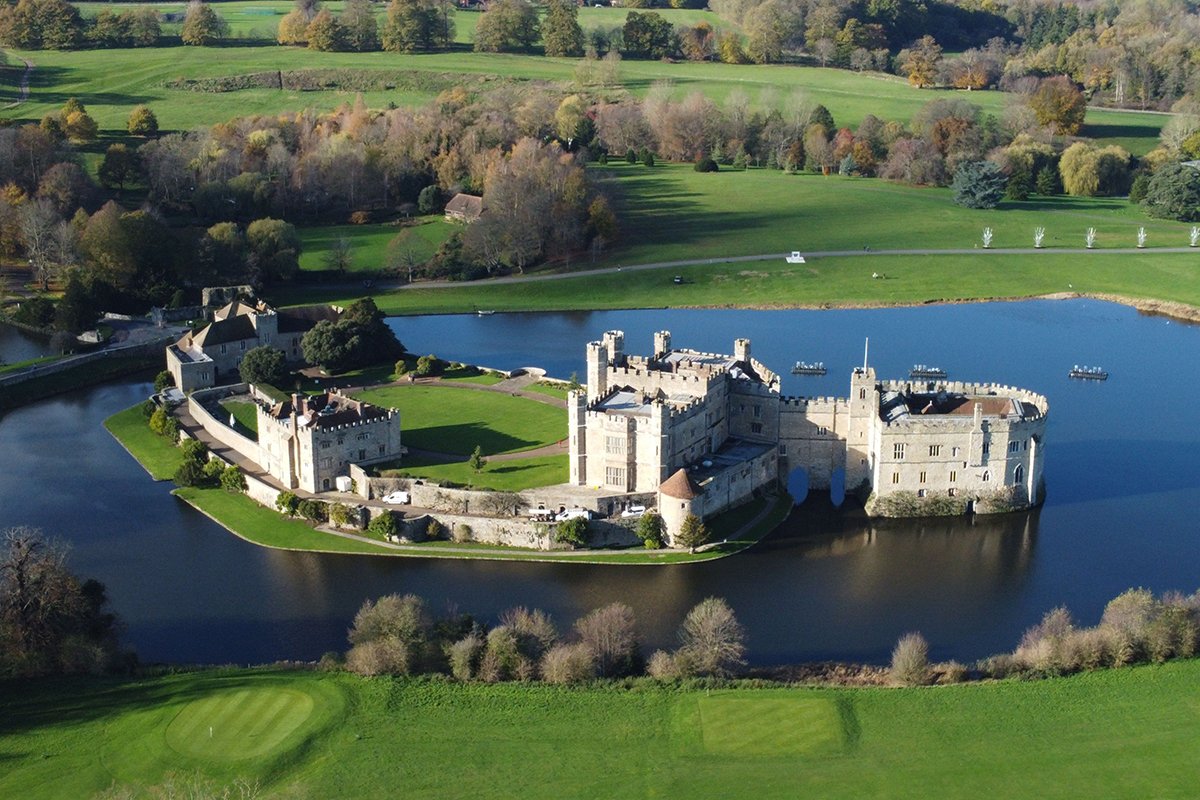
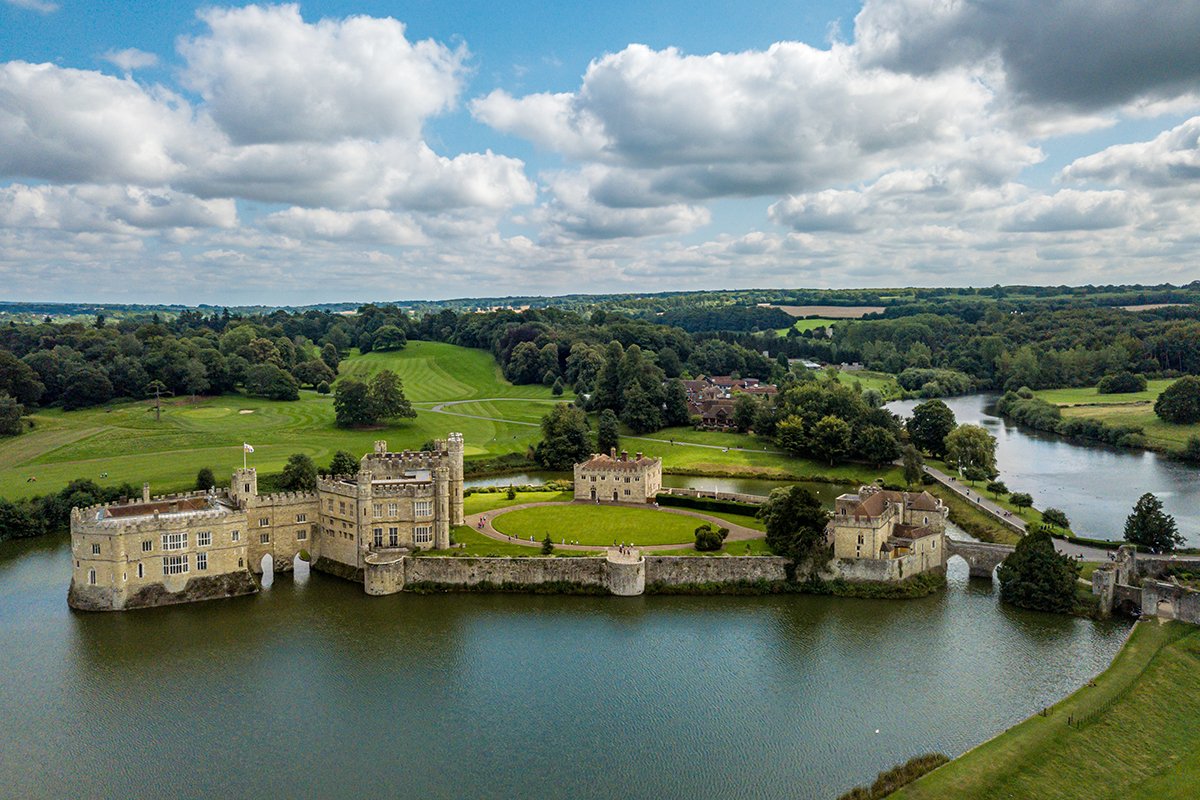
Rising from two little islands in the River Len, Leeds Castle feels like a postcard brought to life—moats, stone walls, and handsome rooms polished by centuries of royal attention. It began as a Norman stronghold, then blossomed into a favourite southern palace for kings and queens. Today, gardens and parkland soften its martial edges, making a visit feel both grand and wonderfully unhurried.
Quick Facts
📍 Location: Near Maidstone, Kent, England, United Kingdom
🏗️ Construction Period: 1119–16th century (major royal rebuilding from 1278; Tudor upgrades in 1519)
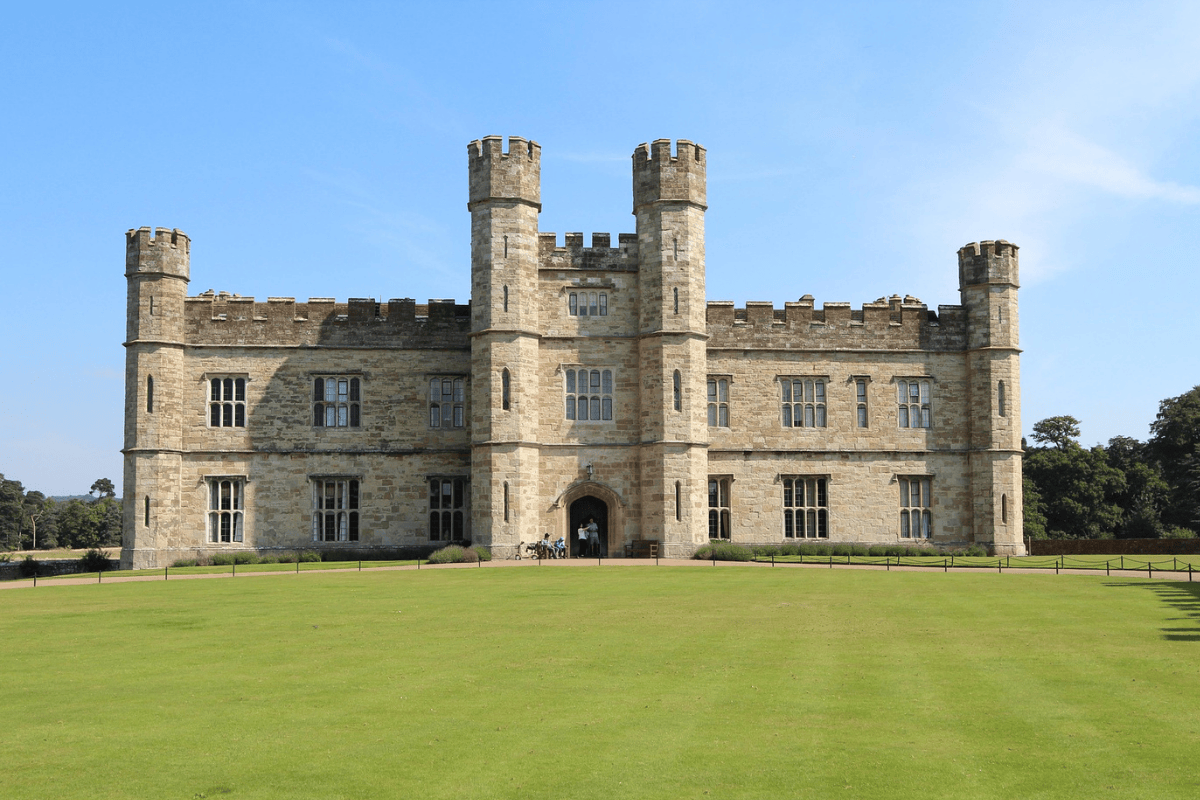
🏰 Architectural Style: Medieval fortress with Gothic elements and Tudor (Renaissance-era) palace additions
🎭 Famous For: A 900+ year royal story; being dower property of six medieval queens; the 1321 Badlesmere Incident; hosting Henry VIII before the Field of Cloth of Gold; Edward I’s distinctive three-part barbican and the lakeside setting
👑 Notable Figures: Robert de Crevecoeur; King Edward I; Queen Eleanor of Castile; Queen Isabella of France; King Edward II; King Henry VIII; Catherine of Aragon; Lady Olive Baillie
🏆 UNESCO Status: No (not inscribed on the UNESCO World Heritage List)
🌐 Official Website: https://www.leeds-castle.com/
Map
Historical Context
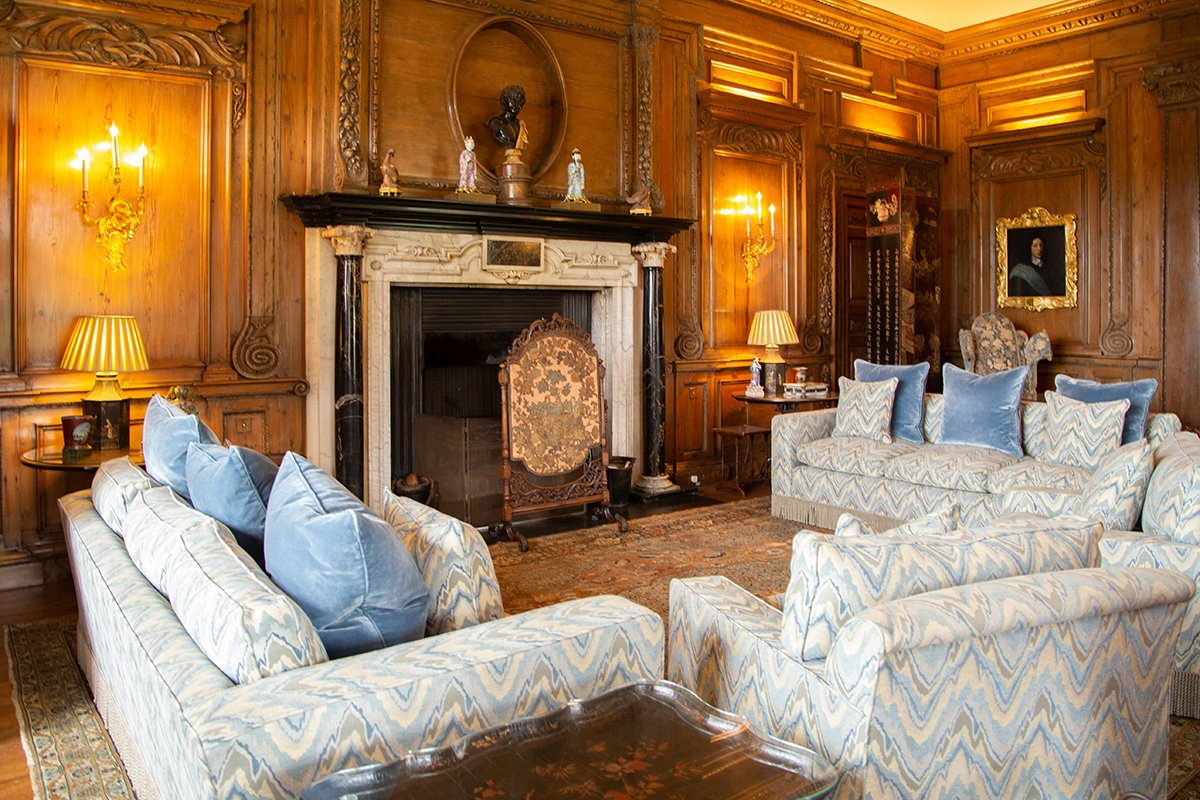
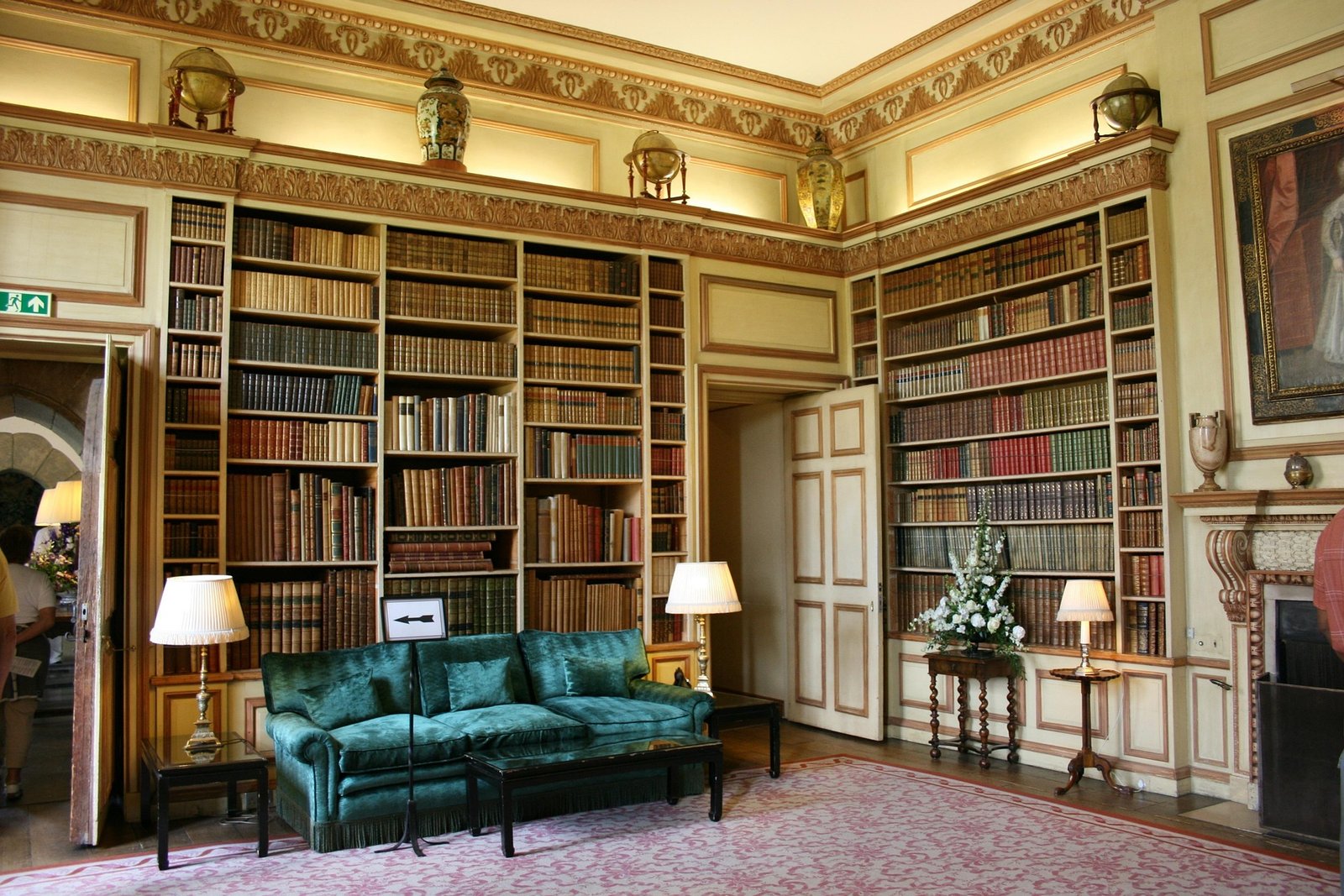
Leeds Castle began in 1119 as a Norman stronghold, built by Robert de Crevecoeur on two islands in the River Len—an instantly defensible position later strengthened with stone walls, drawbridges, and water encircling the site. In 1278, Edward I reshaped it into a refined royal palace, adding comforts such as well-appointed private chambers and early running water. Over time it became dower property for six medieval queens, weaving the castle into the fabric of succession and court politics. Drama flared in 1321 when Queen Isabella of France was refused entry, prompting Edward II’s siege and a wider political fallout. Henry VIII later refashioned it for Tudor grandeur, notably for Catherine of Aragon. In the 20th century, Lady Olive Baillie revived it as a stylish retreat and ultimately opened it to public life in 1976.
Visual Tour
Visiting Information
🗓️ Best Time to Visit: April, May, late September, and October
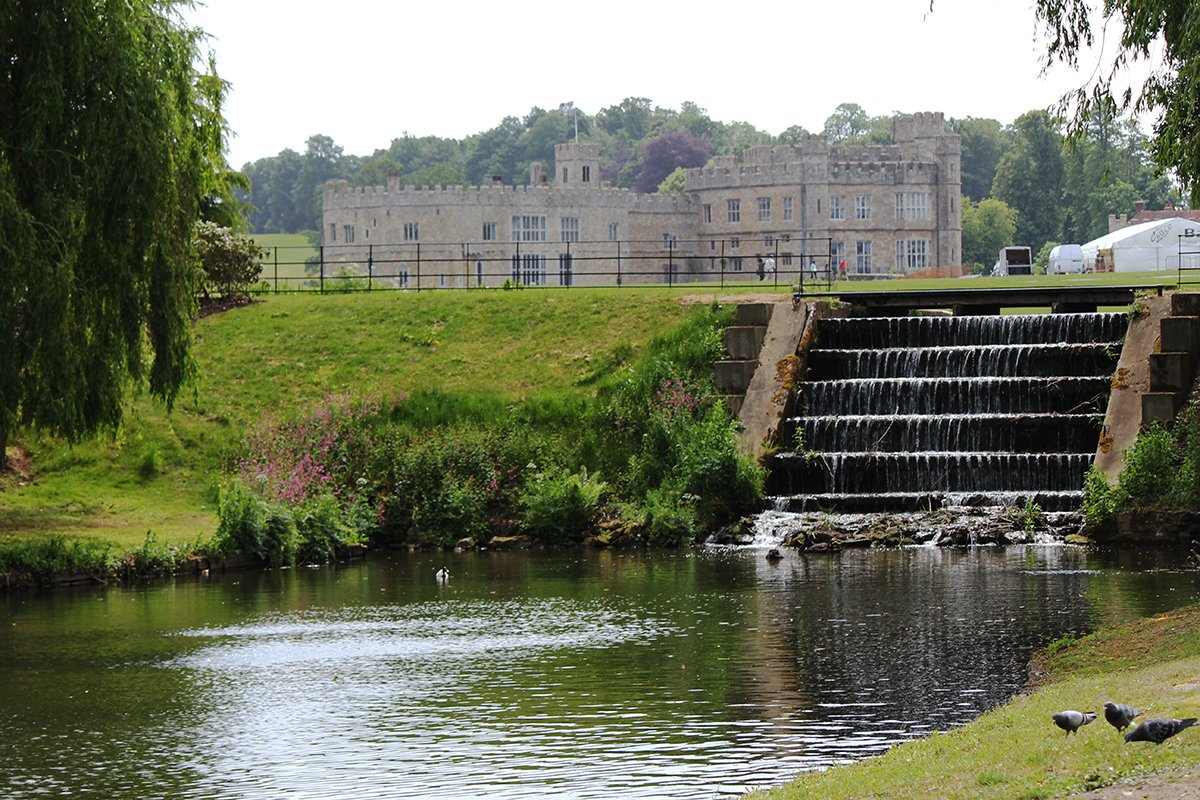
🗺️ Location Perks: Kent’s countryside is at its prettiest here—water, parkland, and gardens wrapped around the castle like a natural frame. Don’t miss the estate walks for those classic reflections across the lake.
⏳ Estimated Visit Duration: Plan to spend 3–5 hours exploring the castle and its grounds.
💡 Visiting tips: Arrive early to enjoy the interiors before peak crowds, then save time for the gardens and lakeside viewpoints. Wear comfortable shoes—the estate is expansive—and check opening times for special rooms or seasonal displays.
Related Articles
Search