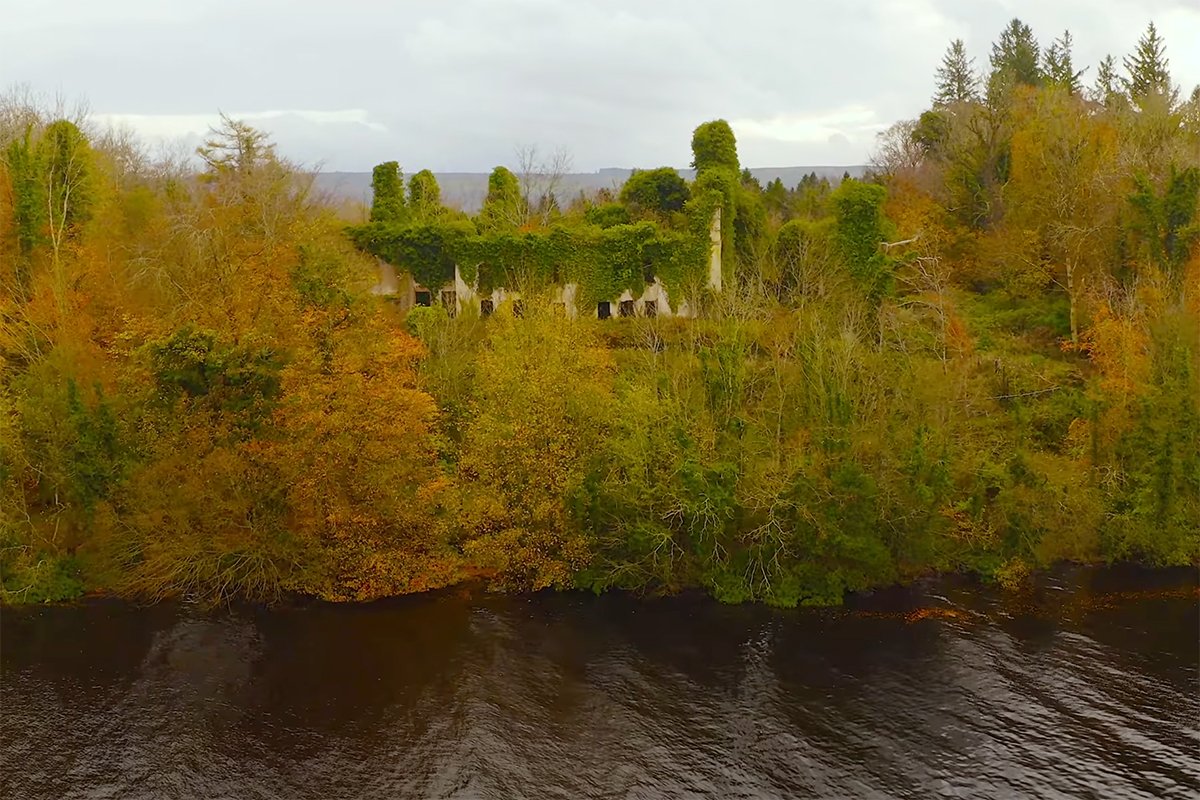
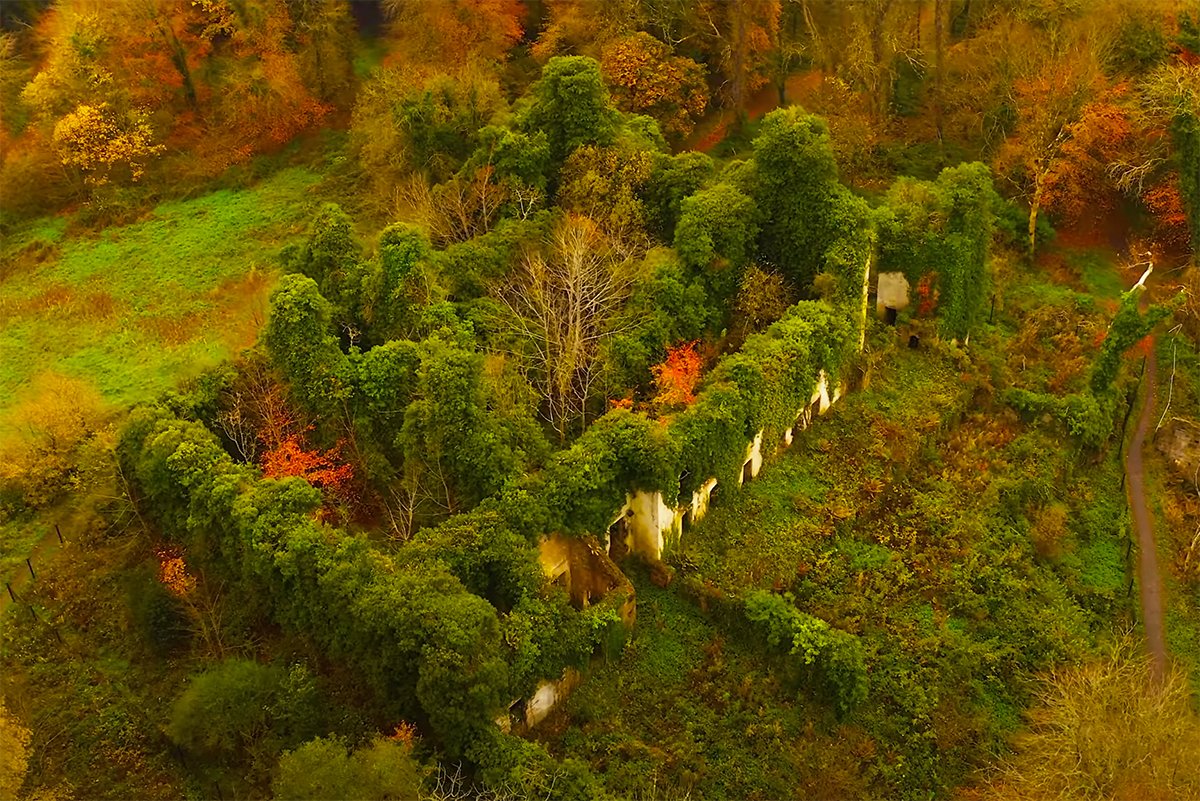
On a quiet bend of Lower Lough Erne, Castle Caldwell peeks through ivy and ash, a Plantation-era stronghold softened by centuries of weather and woodland. Its broken walls and Gothic flourishes hint at baronial ambition, military peril, and unexpected kindness. Come for the story, stay for the lakeside trails and birdsong—the ruins are only half the charm here.
Quick Facts
📍 Location: Belleek, County Fermanagh, Northern Ireland
🏗️ Construction Period: 1612–1619
🏰 Architectural Style: Planter fortified house with later Gothic Revival
🎭 Famous For: Plantation-era stronghold; role in the 1641 Irish Rebellion; Gothic revival embellishments; link to Belleek Pottery
👑 Notable Figures: Francis Blennerhassett; Sir James Caldwell, 1st Baronet; Sir John Caldwell; John Caldwell Bloomfield
🏆 UNESCO Status: No
🌐 Official Website: https://cuilcaghlakelands.org/geosite/castle-caldwell-forest/
Map
Historical Context
Built between 1612 and 1619 by Francis Blennerhassett as “Hasett’s Fort,” the site guarded the Plantation frontier and saw action during the Irish Rebellion of 1641. In 1671 the Enniskillen merchant James Caldwell purchased the estate; granted a baronetcy in 1683, his family reshaped the house and grounds. Later works introduced Gothic touches—quatrefoil windows, battlements, and playful turrets—beside a formal landscape of walled gardens, ponds, and a glazed octagon temple on the lough. The Caldwells’ story reaches into industry, too: John Caldwell Bloomfield identified local feldspar and kaolin that would fuel nearby Belleek Pottery. One remembered episode of compassion has Sir John Caldwell sheltering Catholic worshippers during the Penal Laws. Today, fragments of the 17th‑century bawn and museum traces lie in romantic ruin within a spacious forest park.
Visual Tour
Visiting Information
🗓️ Best Time to Visit: April, May, late September, and October
🗺️ Location Perks: Set within Castle Caldwell Forest on Lower Lough Erne, with serene lakeside walks and wildlife-rich woodland. Belleek Pottery and village cafés are a short drive away.
⏳ Estimated Visit Duration: Plan to spend 2–3 hours exploring the castle and its grounds.
💡 Visiting tips: Footpaths can be muddy—wear waterproof footwear and bring insect repellent in summer. Park at the forest lot, follow the signed 2.5–4 km loops, and pair your visit with the Belleek Pottery visitor centre.
Search